Gentle Flow Yoga Explained: Pace, Poses, and Benefits
What is gentle flow yoga?
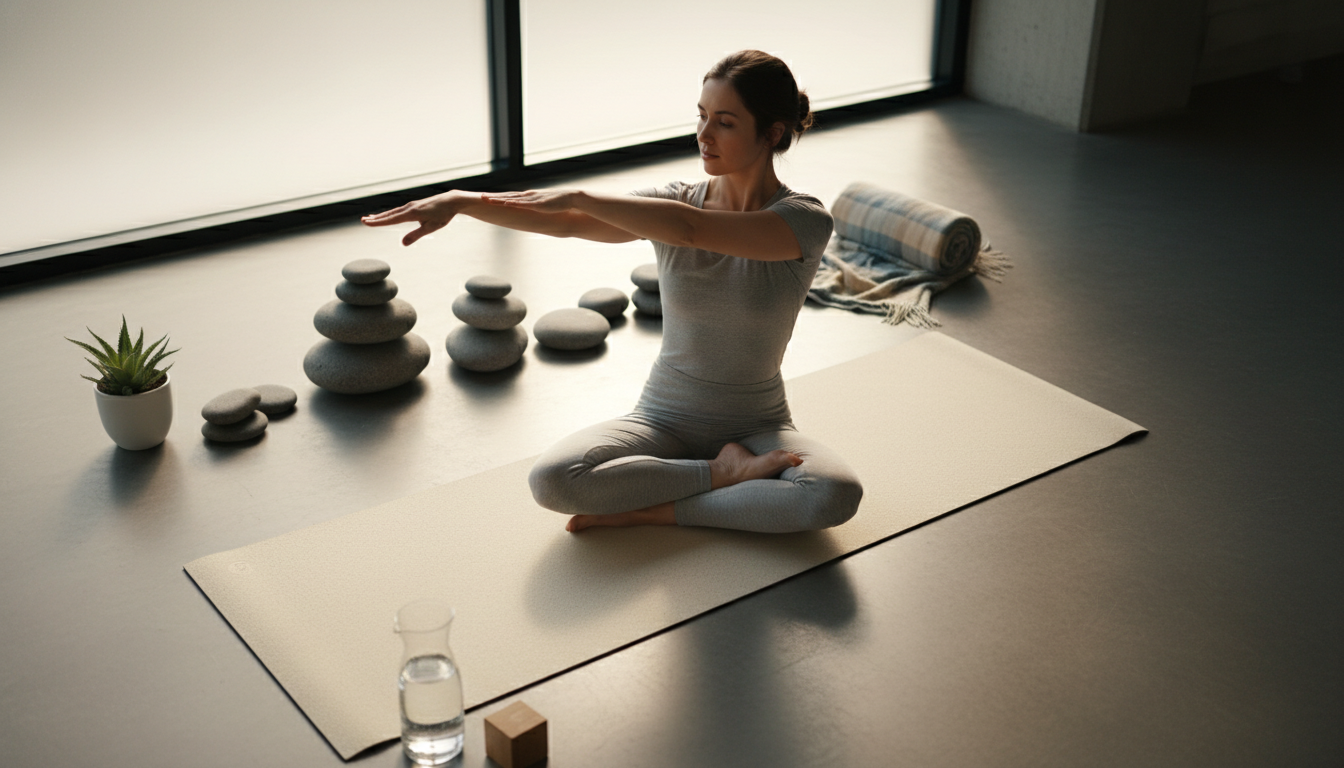
Gentle flow yoga is a slower, more accessible style of vinyasa-inspired practice that links simple poses together with steady breathing and smooth transitions. Instead of fast-paced sequences or intense strength work, gentle flow focuses on ease: comfortable ranges of motion, longer holds when needed, and plenty of time to reset between movements.
A typical gentle flow class or home routine includes grounding poses (like child’s pose or easy seated), basic standing shapes (such as mountain, forward fold, or a soft lunge), and supported stretches for the hips, hamstrings, and shoulders. Transitions are unhurried, and modifications—blocks, bolsters, folded blankets, or a wall—are often encouraged so the practice feels calm and sustainable rather than strenuous.
What to expect in a gentle flow session
Gentle flow yoga usually begins with a short check-in and breathwork to settle the nervous system. Sequences may be repeated on both sides with small variations to build familiarity and reduce mental effort. Teachers often cue slow inhales and long exhales, inviting you to notice sensation without pushing into pain.
Because the pace is relaxed, gentle flow can be a great choice for stress relief, active recovery days, beginners learning alignment, or anyone wanting mobility and flexibility without a “workout” intensity. Many people also like it as an evening routine to unwind.
How gentle flow differs from other yoga styles
Compared to more athletic vinyasa or power yoga, gentle flow has fewer rapid transitions and less emphasis on sweating, arm balances, or peak poses. Compared to fully restorative yoga, it typically includes more movement and standing poses—just done in a kinder, slower way.
Want a ready-to-follow routine?
For a simple, calming approach that blends gentle flow with breathwork, follow the step-by-step guide here: https://luxifyo.com/blog/guide-calm-yoga-checklist-gentle-flow-breathwork-routine/.
FAQ
What is the difference between gentle yoga and regular yoga?
Gentle yoga prioritizes slower pacing, simpler poses, and more modifications, making it feel less physically demanding. “Regular” yoga varies widely, but many classes move faster, include stronger holds, and may incorporate more challenging sequences or postures.
















Leave a comment
You must be logged in to post a comment.