Gentle vs Regular Yoga: Key Differences Explained
What is the difference between gentle yoga and regular yoga?
Gentle yoga is a slower, lower-intensity style that prioritizes comfort, steady breathing, and accessible movement. “Regular yoga” is a broad catch-all that often refers to more standard studio classes—like vinyasa, power, or traditional hatha—that may move faster, hold poses longer, or include more challenging transitions and strength work.
Gentle yoga: slower pace and more support
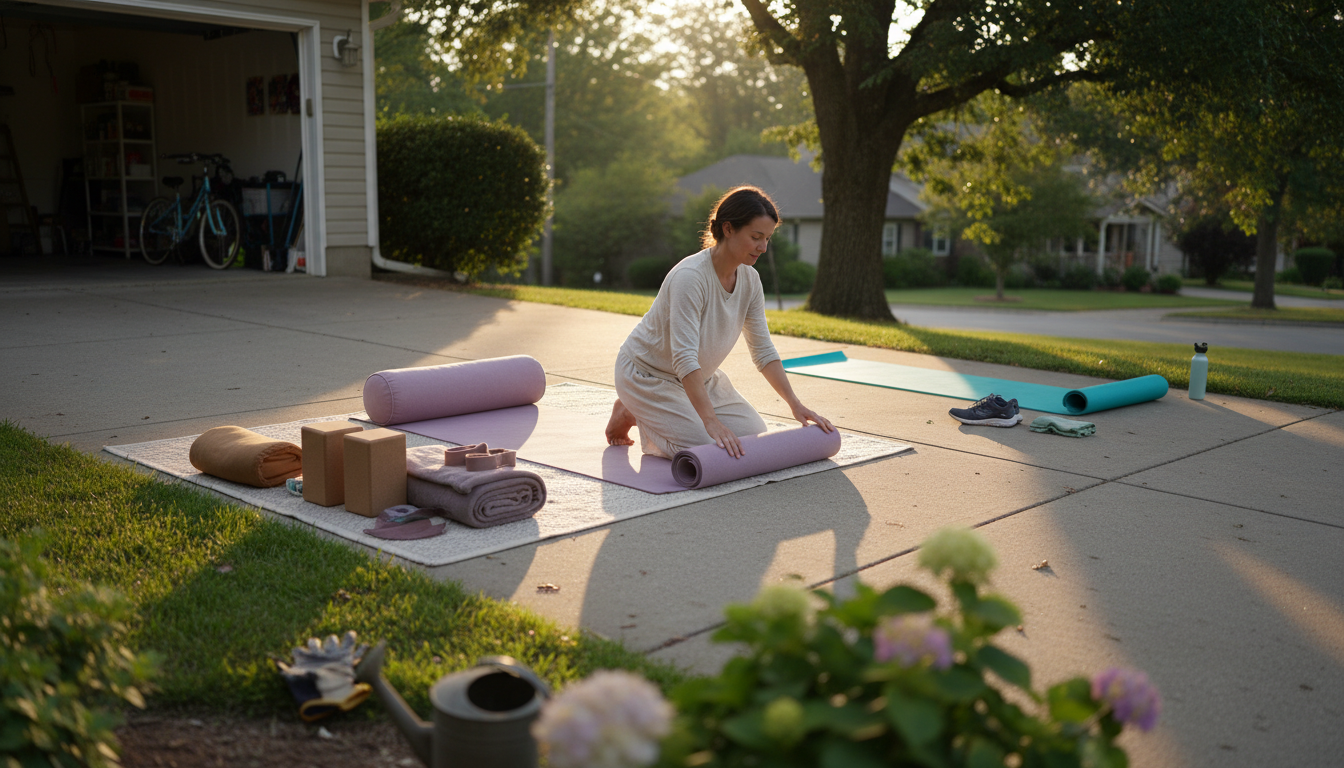
Gentle yoga classes typically focus on simple sequences, longer settling time in each posture, and frequent options to modify. Teachers often encourage props such as blocks, straps, bolsters, or blankets to reduce strain and help the body relax into alignment. The overall goal is ease: calming the nervous system, improving mobility, and building body awareness without pushing to an edge.
Regular yoga: wider range of intensity and goals
Regular yoga can be gentle, but it’s just as likely to include faster flows, heat-building sequences, or stronger holds that develop endurance and balance. Depending on the class, you may encounter more weight-bearing poses (like planks and chaturangas), quicker transitions, or more complex coordination. Many people choose these classes for fitness benefits alongside flexibility and mindfulness.
Key differences you’ll notice in class
Speed: Gentle yoga moves deliberately; many regular classes link poses more quickly.
Effort level: Gentle yoga stays moderate; regular yoga can range from relaxing to athletic.
Pose selection: Gentle classes favor foundational shapes and supported stretches; regular classes may add arm balances, longer standing sequences, or stronger core work.
Who it fits: Gentle yoga is popular for beginners, recovery days, stress relief, and anyone wanting a calmer practice. Regular yoga suits those who want variety, a sweatier session, or more strength-building—while still benefiting from breath and focus.
If you’re building a soothing routine with breathwork and simple flow, this calm yoga checklist and gentle flow guide offers an easy way to get started.
FAQ
Is gentle yoga good for beginners?
Yes. Gentle yoga is often one of the most beginner-friendly options because it moves slowly, includes modifications, and emphasizes comfort and steady breathing over “perfect” shapes.
















Leave a comment
You must be logged in to post a comment.