Muslin Blankets for Newborns: Safety, Swaddling & Sleep
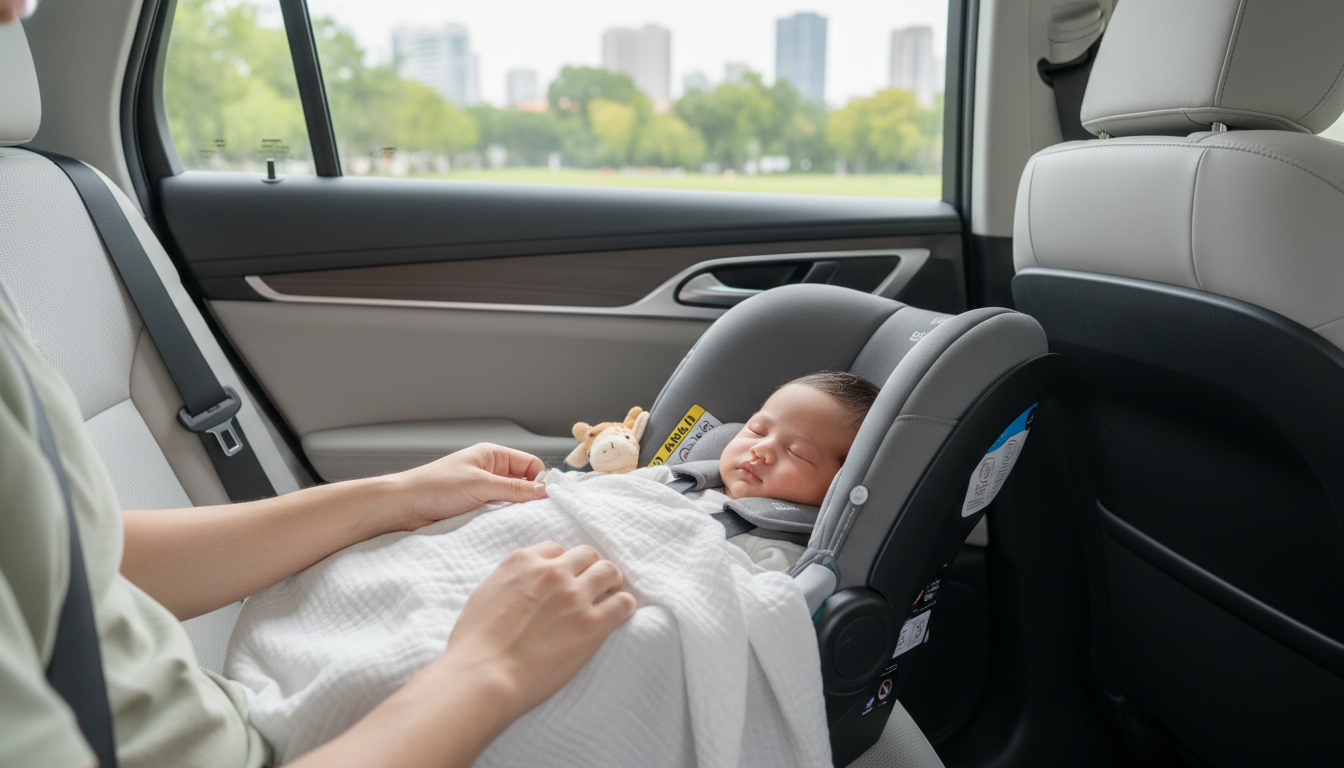
Are muslin blankets safe for newborns?
Muslin blankets can be safe for newborns when they’re used correctly and you follow current safe-sleep guidelines. Muslin is known for being lightweight and breathable, which can help reduce overheating compared with heavier blankets. That said, any loose blanket in a crib or bassinet increases the risk of suffocation, so the “safest” setup for sleep is still a firm, flat surface with no loose bedding.
What makes muslin a good option?
Quality cotton muslin has an airy weave that allows better airflow and can feel comfortable across seasons. Many parents like muslin for swaddling because it can be snug without feeling bulky. In colder weather, a thicker, multi-layer muslin swaddle can provide extra warmth while still staying relatively breathable compared with some plush fabrics.
When are muslin blankets not safe?
Muslin blankets are not safe as a loose cover for unsupervised sleep. Avoid draping any blanket over a newborn or placing a blanket in the crib with a baby who isn’t swaddled. Also stop swaddling as soon as your baby shows signs of rolling (or around 8 weeks, whichever comes first), since swaddling after rolling starts can be dangerous.
How to use a muslin blanket more safely
Use muslin for supervised activities like tummy time, stroller shade (ensuring plenty of airflow), or as a light nursing cover. For sleep, if you choose to swaddle, keep it snug at the chest and loose around the hips, and always place baby on their back. Check that the fabric isn’t frayed, that there are no loose threads, and that the blanket is large enough to wrap securely without excess fabric near the face.
For a deeper look at warmer, multi-layer options and practical guidance for winter use, visit this guide to 6-layer cotton muslin swaddle blankets for winter newborns.
FAQ
How do you swaddle a newborn with a muslin blanket?
Wrap the blanket snugly across the chest with the arms secured (if your baby tolerates it), keep the fabric away from the face, and leave room at the hips and knees for natural movement. Always place your baby on their back and stop swaddling at the first signs of rolling.















Leave a comment
You must be logged in to post a comment.