10000mAh Power Bank Explained: Usable Power & Charges
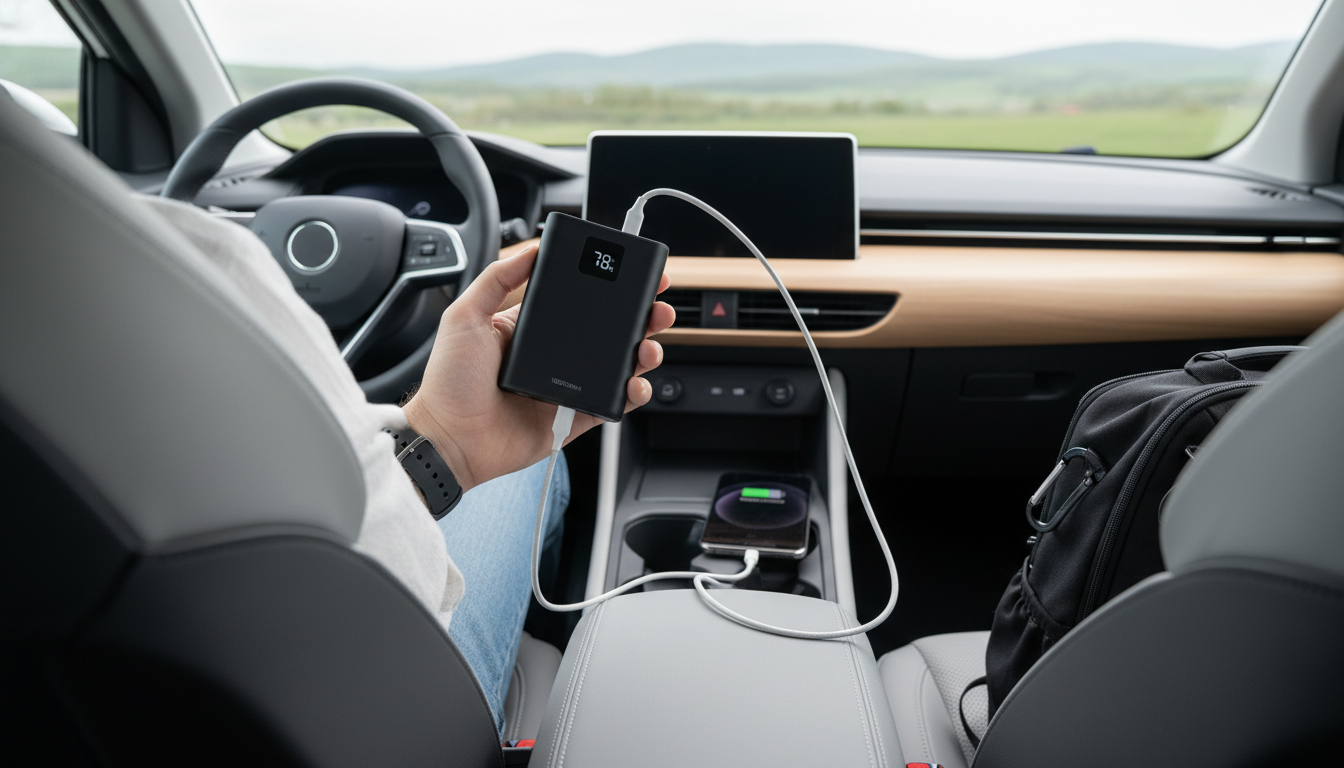
How much is 10000mAh in a power bank?
In a power bank, 10,000mAh is a mid-size capacity that typically translates to about 6,000–7,000mAh of usable power delivered to your devices. The difference comes from normal conversion losses as the bank boosts voltage and manages heat and safety controls. In practical terms, 10,000mAh is usually enough for daily top-ups without carrying a heavy brick.
What 10,000mAh can charge (real-world examples)
Most modern phones have batteries around 3,000–5,000mAh. With a 10,000mAh bank, you can commonly expect:
• Around 1 to 2 full phone charges for many newer iPhones and Android phones
• Up to 2+ charges for smaller or older phones with smaller batteries
• Partial charges for larger devices like tablets (often 20–60% depending on the tablet size)
Exact results depend on your phone’s battery size, charging efficiency, cable quality, and whether you’re using the phone while charging (gaming, navigation, and hotspot use can reduce how far the bank goes).
Why the “usable mAh” is lower than the label
Power banks are typically built around 3.7V lithium cells, while phones charge around 5V (and sometimes higher for fast charging). When voltage is converted, some energy is lost. That’s why a 10,000mAh rating doesn’t mean your phone will receive a full 10,000mAh at 5V.
Is 10,000mAh enough or should you go bigger?
If you want a pocket-friendly backup for commuting, errands, or a day out, 10,000mAh is a sweet spot. If you regularly need multiple full charges, share power, or travel long days away from outlets, stepping up to a higher-capacity option can be more convenient. For a deeper look at portable charging options and capacity trade-offs, visit this guide to a mini 20,000mAh power bank.
FAQ
How long does a 10000mAh power bank take to charge?
With a typical 10W (5V/2A) input, it often takes about 5–6 hours. With faster USB-C input (around 18W), it may recharge in roughly 3–4 hours, depending on the model and cable.
















Leave a comment
You must be logged in to post a comment.