Heavy-Duty Portable Bike Cable Lock for Quick Stops
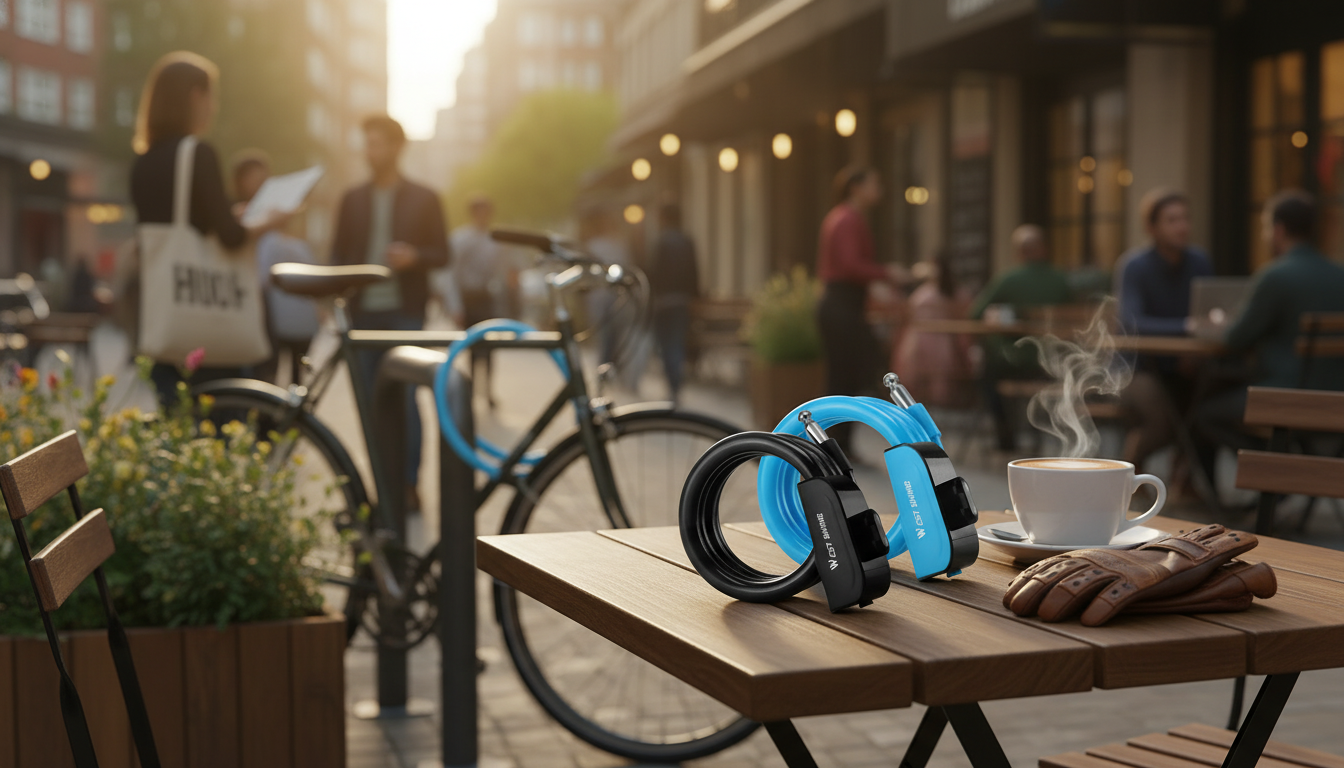
Heavy-Duty Portable Bike Cable Lock for Everyday Stops and Travel
A portable cable lock is built for quick errands, campus rides, gym stops, and travel—times when convenience and flexibility matter. The right heavy-duty cable lock helps you secure a bike fast, loop through more shapes than a rigid lock can, and keep your routine moving. The key is matching the lock to the real risk level where you park and using a few positioning habits that make opportunistic theft less likely.
What a heavy-duty portable cable lock does best
Heavy-duty cable locks shine when you need speed and flexibility. They’re easy to wrap around racks, posts, and awkward fixed objects, and they can often capture wheels, helmets, or bags in the same loop.
- Fast, flexible locking for short-to-medium stops: Great for coffee runs, quick shopping, class, and the gym—especially when you can park in a visible spot.
- Easy to pack and carry: Ideal for commuting, touring, rental bikes, and travel days when you want something that stows without fuss.
- Strong as a secondary lock: Pair a cable with a U-lock or chain to reduce wheel and accessory theft opportunities.
- Best use case: Lower-to-moderate theft risk areas and high-visibility parking. For long unattended storage in high-theft zones, step up to a stronger primary lock.
Key features that matter most for real-world security
Cable locks vary widely. Two models can look similar but perform very differently based on construction, lock quality, and how easily they fit your daily parking scenarios.
- Cable thickness and construction: Thicker, multi-strand steel typically resists casual cutting better than thin, single-strand cables.
- Locking mechanism quality: Smooth key or combination operation, consistent engagement, and weather resistance help prevent failures over time.
- Protective coating: A durable outer layer helps prevent frame scratches and reduces corrosion exposure.
- Length and flexibility: You want enough reach for frame + wheel + rack, without excessive slack that makes tool attacks easier.
- Portability: If it’s annoying to carry, it gets left behind. Compact coils and bag-friendly designs encourage consistent use.
Feature snapshot: what to compare before buying
Compare cable locks with your most common parking environment in mind. A quick café stop in a busy area calls for a different setup than leaving a bike outside an apartment overnight.
| Factor | Why it matters | What to look for |
|---|---|---|
| Cable thickness | Improves resistance to basic snips and discourages opportunistic theft | Thicker multi-strand steel; avoid very thin cables for anything beyond quick stops |
| Cable length | Determines what you can lock to and whether you can include a wheel | Enough to capture frame + wheel + fixed object without lots of slack |
| Lock core & cover | Impacts reliability and resistance to weather and grit | Protected keyway/cover; solid housing; smooth operation |
| Coating | Protects frame and reduces rust exposure | Durable, non-marring outer layer |
| Carry method | A lock that’s annoying to carry often gets left behind | Coil-friendly or easy to stow in bag; optional bracket if available |
| Best role | Sets expectations for security level | Primary for low/moderate risk or secondary to a U-lock/chain in higher risk |
How to lock a bike with a cable lock (and make it harder to attack)
A cable lock’s security depends heavily on how it’s used. Small changes in technique can reduce leverage, limit tool access, and shorten the time an attacker has to work.
- Lock to an immovable, fixed object: Avoid signs that lift out, weak fences, or anything that can be cut or unbolted easily.
- Capture the frame first: If nothing else fits, secure the frame to the fixed object. Add a wheel only after the frame is included.
- Minimize slack: Keep the loop tight. Excess cable gives room for cutters and makes leverage attacks easier.
- Raise the lock off the ground: Keeping the lock body and cable away from the pavement can reduce leverage and make some cutting attempts harder.
- Choose smart parking: Well-lit, high-foot-traffic areas near entrances are typically less attractive to thieves.
- For higher risk: Use a U-lock or chain as the primary frame lock, and use the cable to secure wheels, saddle, or accessories.
For broader theft-prevention habits (registration, documentation, and locking tips), Bike Index maintains a practical security guide at https://bikeindex.org/protect_your_bike.
Cable lock vs U-lock vs chain: choosing the right match for the stop
Different locks are built to solve different problems—weight, reach, and cut resistance rarely peak all at once.
- Cable locks: Best convenience and reach, generally lower cut resistance than U-locks and heavy chains.
- U-locks: Often strong against cutting and leverage, but can be limited by geometry (not fitting around thick posts or odd racks).
- Chains: Strong and versatile, but typically heavier and bulkier—better when weight is less of a concern.
If you like a ratings-based approach, Sold Secure provides widely referenced bicycle security ratings at https://www.soldsecure.com/.
Common vulnerabilities and how to reduce risk
Care and maintenance for a lock that stays dependable
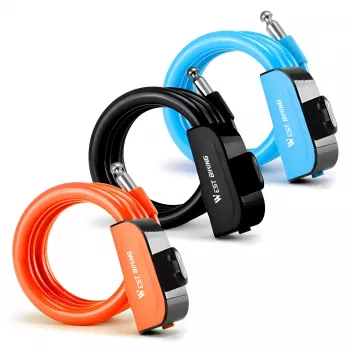
Heavy-Duty Portable Bike Cable Lock: a practical option for everyday carry
Shop related picks
- Heavy-Duty Portable Bike Cable Lock
- Your Ultimate Sleep-Boosting Checklist to Sleep Smart | Digital Download for Better Sleep | Things to Do to Improve Sleep | Printable Sleep Routine Guide
FAQ
What kind of bike lock is the hardest to break?
Typically high-quality U-locks and heavy-duty hardened-steel chains offer the most resistance to cutting and leverage attacks. The most secure option also depends on how long you’ll park and what fixed object you can lock to.
What can cut through a cable bike lock?
Bolt cutters, cable cutters, and angle grinders can defeat many cable locks, especially thinner ones. Thicker multi-strand cables and tight, elevated positioning can improve deterrence, but they’re not a substitute for a stronger lock in high-risk areas.














Leave a comment
You must be logged in to post a comment.