10-Min Aromatherapy Checklist for Stress Relief & Calm
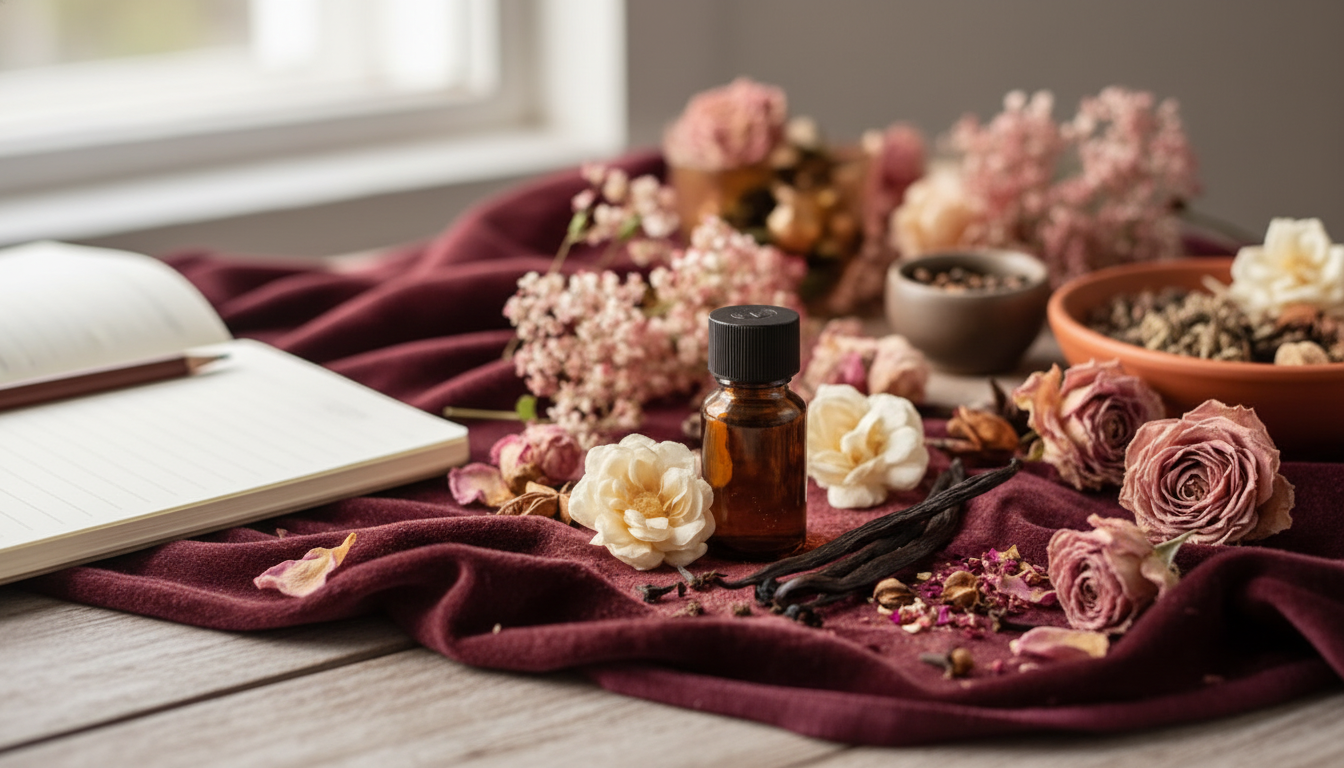
Aromatherapy Stress-Buster Checklist: A Simple, Repeatable Routine for Relaxation and Self-Care
Stress relief works best when it’s easy to repeat. A short aromatherapy checklist can turn essential oils into a steady self-care rhythm—whether the goal is to unwind after work, reset during a hectic day, or create a calmer bedtime. The key is keeping the steps small, safe, and consistent so your brain starts to recognize the scent as a cue to slow down.
What an “aromatherapy checklist” actually solves
Aromatherapy can feel soothing, but it can also become one more thing to “figure out” when you’re already stressed. A checklist removes the guesswork and makes your routine feel automatic.
- Reduces decision fatigue: you pick a small set of oils and actions instead of improvising every time.
- Creates a consistent cue for calming down: pairing scent with a quick ritual helps your body shift gears.
- Builds a flexible routine: you can use the same framework for a fast reset, focused calm, or pre-sleep wind-down.
- Helps track what works: preferred scents, best application methods, and timing become easier to repeat.
Quick-start checklist for a 10-minute reset
This is the “do it anywhere” version—simple enough for a desk, a bedroom, or a post-work transition.
- Pick one goal: “release tension,” “slow racing thoughts,” or “settle for sleep.”
- Choose one scent profile: floral (soft), citrus (uplifting), herbal (grounding), or resin/wood (steady).
- Select one delivery method: diffuser, personal inhaler, tissue, or properly diluted topical use.
- Set a timer for 10 minutes and pair scent with one action: slow breathing, neck/shoulder stretch, or a short tidy reset.
- End with a simple anchor: drink water, step outside for 60 seconds, or write one next step to handle later.
If you want a ready-to-use, printable-friendly version that keeps the routine consistent day to day, the Aromatherapy Stress-Buster Checklist (digital download) is designed for quick check-offs without overthinking.
Essential oils commonly used for relaxation (and when to use them)
People respond differently to scent, so think of these as popular “starting points” for calming routines. For more background on aromatherapy and current evidence, see the NCCIH overview and the Mayo Clinic guide.
- Lavender: often chosen for winding down, especially in evening routines.
- Bergamot: frequently used for emotional balance; many people like it for post-work decompression.
- Chamomile (Roman): commonly associated with soothing, gentle calming rituals.
- Frankincense: often used for grounding and slow breathing practices.
- Ylang ylang: popular for easing tension and creating a softer mood.
- Clary sage: commonly used for relaxation and settling the mind (avoid during pregnancy unless a clinician approves).
Match the moment: stress scenario → aromatherapy move
| Stress moment | Best-fit method | Suggested routine step |
|---|---|---|
| Midday overwhelm | Tissue or personal inhaler | 3 rounds of box breathing (4-4-4-4) |
| After-work tension | Diffuser or diluted topical | Shoulder/neck stretch + warm shower |
| Racing thoughts at night | Diffuser (short run) or bedside tissue | Brain-dump list + lights dimmed |
| Low mood + fatigue | Diffuser (brief) or inhalation | 5-minute walk + open window |
| Head/temple tightness | Diluted topical (avoid eyes) | Jaw/temple release + hydration check |
Where and how to apply essential oils safely
Safe use matters more than having a big collection. Essential oils are concentrated; more isn’t better. If you’re new, the Cleveland Clinic safety notes are a helpful baseline.
- Inhalation basics: start with 1–3 deep breaths from a tissue, or run a diffuser for a short session in a well-ventilated room.
- Topical basics: always dilute in a carrier oil; avoid eyes, inner ears, broken skin, and sensitive areas.
- Common topical spots for calming routines: wrists, back of neck, shoulders, and chest (lightly, avoiding irritation).
- Patch test: try a small amount first and stop if redness, burning, nausea, or headache occurs.
- Extra caution: pregnancy, asthma, migraines, pets, and children may require different choices—check with a clinician when unsure.
Build a “stress-buster kit” that’s easy to keep up with
The most effective kit is the one you’ll actually use when life gets loud.
- Keep it small: 2–4 oils, one diffuser or inhaler, one carrier oil, and a few cotton pads/tissues.
- Pre-mix a diluted roller (if tolerated): so wrists/neck application becomes one quick step instead of a whole setup.
- Place the kit where stress happens: desk, nightstand, or entryway for a quick transition ritual.
- Track one data point: jot down time used, method, and your mood shift after 10 minutes.
For many people, the hardest part is consistency—not information. A one-page guide like the Aromatherapy Stress-Buster Checklist (digital download) can help keep your kit and routine “grab-and-go.”
Printable routine: morning, midday, evening (choose one)
Pick a single routine window to start. Once it’s automatic, you can add another time of day.
If nighttime is your toughest moment, pairing scent with a structured bedtime routine can make the transition smoother. The Sleep-Boosting Checklist for a calmer bedtime routine is an easy add-on when you want a step-by-step wind-down you can follow on autopilot.
Digital checklist options that make the routine effortless
If you also want a simple “confidence reset” before meetings, calls, or social plans (where stress can spike fast), Social Confidence in Any Situation (printable checklist) fits well alongside a quick inhale-and-breathe ritual.
FAQ
Where to apply essential oils for anxiety
Inhalation is often the simplest option: place 1–2 drops on a tissue and take 1–3 slow breaths, then pause to see how you feel. For topical use, apply only when properly diluted in a carrier oil to common areas like wrists, the back of the neck, shoulders, or lightly on the chest—avoiding eyes, mucous membranes, and irritated skin; patch test first and use extra caution with pregnancy, asthma, kids, and pets.















Leave a comment
You must be logged in to post a comment.