Mindful Walking Explained: Benefits and How to Start
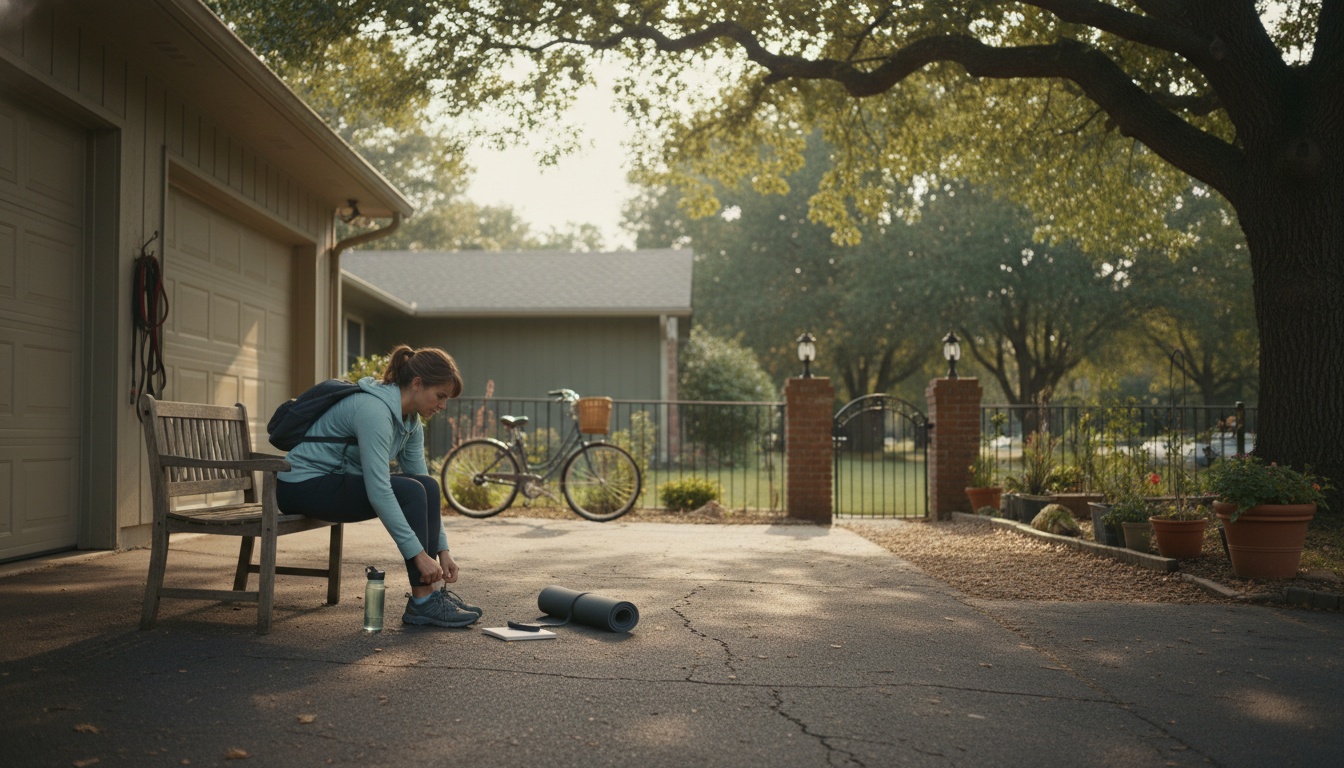
What is mindful walking?
Mindful walking is the practice of walking while intentionally paying attention to what’s happening right now—your breath, your footsteps, body sensations, sounds, and surroundings—without rushing to judge or change them. Instead of using a walk only to get somewhere, you use it as a moving meditation. The goal isn’t speed or distance; it’s awareness.
How does mindful walking work?
Mindful walking works by shifting attention from autopilot to direct experience. As you notice the feeling of your feet meeting the ground, the rhythm of your breath, or the movement of your legs and arms, your mind has less room to spin on worries or to-do lists. When distractions show up (and they will), you simply acknowledge them and return to a chosen anchor—often the sensation of walking.
This gentle “notice and return” pattern is the heart of the practice. Over time, it can make walks feel calmer and more restorative, even in a busy neighborhood or during a packed day.
What are the benefits of mindful walking?
Mindful walking can help lower stress, improve mood, and build focus by giving the nervous system a steady, soothing cue: the consistent rhythm of steps and breath. It can also increase body awareness, which may support better posture and a more comfortable stride. Many people find it’s an approachable way to practice mindfulness because it’s active, simple, and doesn’t require sitting still.
How do you start mindful walking?
Start small and keep it practical. Choose a short route, stand still for a moment, and feel your feet on the ground. Begin walking at a natural pace and place attention on one anchor: the soles of your feet, your breathing, or the sensation of air on your skin. Each time your mind wanders, bring it back to that anchor without self-criticism.
For a simple, guided approach, follow this step-by-step routine: https://luxifyo.com/guide-mindful-walking-step-by-step-10-minute-routine/.
FAQ
How long should a mindful walking session be?
Even 5–10 minutes can be effective, especially when practiced consistently. If it feels good, extend the time gradually while keeping your attention on your chosen anchor.
















Leave a comment
You must be logged in to post a comment.