Long-Handle Back Brush + Soft Mesh Scrubber Guide
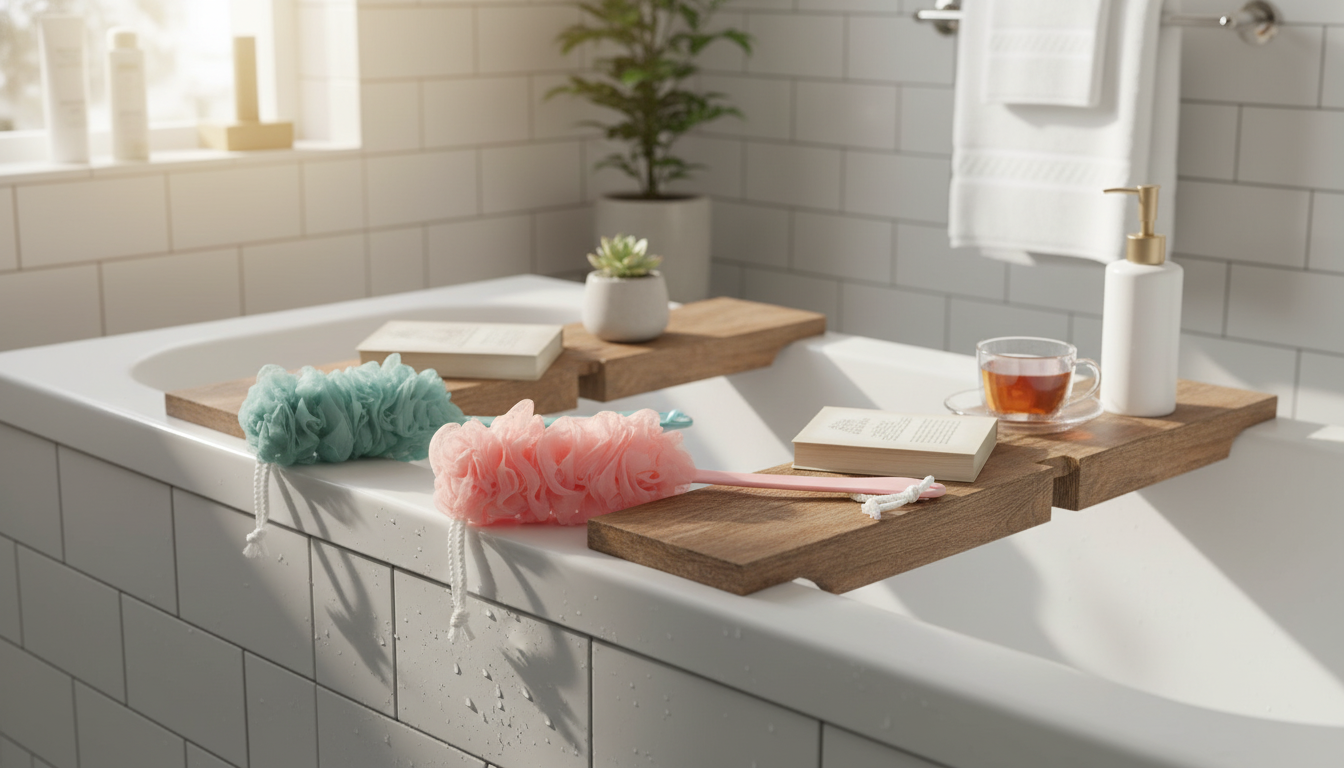
Long Handle Back Bath Brush & Soft Mesh Shower Scrubber: Easier Reach, Gentle Lather, Smoother Skin
A long-handle back brush paired with a soft mesh scrubber makes daily showers easier to manage—especially for hard-to-reach areas like the mid-back. The goal is simple: comfortable reach, a gentle scrub, and a quick-rinsing lather tool that fits into a routine without irritation. For many people, that combo can make back cleansing more consistent, with less twisting and less “did I miss a spot?” guesswork.
What This Two-in-One Bath Tool Helps With
- Reaching the center of the back without overextending shoulders or twisting wrists
- Building rich lather quickly with a soft mesh scrubber while keeping friction comfortable
- Supporting regular cleansing of areas that often get missed (back, shoulders, behind the neck)
- Offering an easy-to-hang shower accessory that dries faster than many washcloths
Daily back washing isn’t only about feeling fresh. It can also help clear away sweat, sunscreen, and body oils that tend to sit on the upper back and shoulder blades—especially after workouts or warm-weather days.
Comfort-First Design: Long Handle + Soft Mesh
Traditional washcloths and small loofahs can be hard to control behind your back, and stiff bristles can feel like too much for frequent use. A long handle plus a soft mesh scrubbing surface aims for a middle ground: better reach, a lighter touch, and a lather-friendly texture.
- Long handle improves reach for back washing and reduces strain for people with limited flexibility.
- Soft mesh scrubber feels gentler than stiff bristles while still helping lift sweat and body oils.
- Mesh texture can create more foam with less body wash, which is useful for quick showers.
- Lightweight handling is typically easier to maneuver when hands are wet or soapy.
If dryness is a concern, technique matters just as much as materials. The American Academy of Dermatology also recommends keeping showers/baths skin-friendly and moisturizing after bathing to help reduce dryness and irritation (AAD dry skin tips).
How to Use It for a Better Back-Cleansing Routine
A few small adjustments can make a back tool feel smoother on the skin while still getting a thorough clean.
- Wet the mesh scrubber thoroughly before adding soap to help it lather evenly.
- Apply a small amount of body wash to the mesh and work it into foam before reaching for the back.
- Use gentle, long strokes across the back; avoid pressing hard over the spine or bony areas.
- For smoother results, focus on sweat-prone zones (upper back, shoulder blades) with light circular motions.
- Rinse both sides well after use to prevent soap buildup.
For people who use thicker body washes or creamy cleansers, a quick “foam first” step (lathering on the front of the body before reaching back) can reduce tugging and help the scrubber glide instead of drag.
Quick Feature Guide: What to Look For (and Why It Matters)
Not all back brushes feel the same in real-life showers. The details below help determine whether a tool is comfortable enough to use regularly, and easy enough to keep clean.
| Feature | Why it helps | Good for |
|---|---|---|
| Long handle | Reaches mid-back with less shoulder strain | Limited flexibility, daily showers |
| Soft mesh scrubber | Gentle exfoliation and quick lather | Sensitive skin, frequent cleansing |
| Non-slip grip | Better control when wet | Shower safety and comfort |
| Hanging loop | Faster drying and easier storage | Shared bathrooms, humid climates |
| Easy-rinse materials | Less soap residue and odor | Busy routines |
Skin-Friendly Tips: Exfoliation Without Overdoing It
Back tools can support smoother-feeling skin, but over-scrubbing can backfire—especially if skin is already dry, reactive, or prone to irritation.
- Keep pressure light; let the texture do the work rather than scrubbing aggressively.
- If skin becomes red, tight, or stings when applying lotion, reduce frequency or pressure.
- Avoid using on broken skin, active rashes, or irritated acne lesions on the back.
- For extra-dry skin, follow with a fragrance-free moisturizer after showering.
- Replace or refresh shower tools when they stop rinsing clean or develop lingering odor.
When skin is dry, less can be more: gentle cleansing, lukewarm water, and prompt moisturizing often feel better than intense exfoliation. For general hygiene habits (including thorough rinsing practices), the CDC also emphasizes rinsing/cleaning to help reduce buildup of unwanted contaminants (CDC hygiene guidance).
Care and Cleaning to Keep It Fresh
Recommended Picks (In Stock)
- Long Handle Back Bath Brush & Soft Mesh Shower Scrubber — a simple, reach-friendly option for gentle lather and everyday back cleansing.
- Less Is Luxe: The Minimal Fashion Guide – Ultimate eBook for Timeless, Effortless Style — a practical read for building an easier, less cluttered routine and wardrobe that complements a low-fuss lifestyle.
- The Solo Shopper’s Guide to Smart Grocery Budgeting | Digital Download for How to Budget Groceries for 1 | Meal Planning Guide for One — helpful for simplifying weekly planning so daily habits (like post-workout showers) feel easier to maintain.
A Simple Option for Everyday Showers
FAQ
How often should a back brush or mesh scrubber be used?
Most people can use a soft mesh tool daily for gentle cleansing if pressure stays light. If skin runs sensitive or dry, using it a few times per week (or just on sweat-prone areas) can feel better; scale back if irritation shows up.
Is a soft mesh scrubber suitable for sensitive skin?
Soft mesh is generally gentler than stiff bristles, but results depend on technique. Use minimal pressure, avoid broken or irritated skin, and moisturize after; when changing routines, test gently for a few days to confirm your skin tolerates it.
How do you clean a long-handle bath brush to prevent odors?
Rinse thoroughly after every shower, then shake off water and hang it where air can circulate. Wash weekly with mild soap and warm water, and replace the tool if it keeps holding odor or shows wear that prevents it from rinsing clean.















Leave a comment
You must be logged in to post a comment.