How to Talk So Teens Will Listen: Honest Book Review

How to talk so teens will listen and listen so teens will talk review?
“How to Talk So Teens Will Listen & Listen So Teens Will Talk” is often recommended because it treats teen communication as a skill—one that adults can practice without resorting to lectures, threats, or “because I said so.” The tone is practical and respectful, with a focus on reducing power struggles and keeping connection intact even when rules and limits are necessary.
What the book does especially well
The biggest strength is its emphasis on listening that actually feels like listening to a teenager: reflecting feelings, validating frustration without instantly “fixing,” and asking questions that invite more than a yes/no reply. It also gives language for setting boundaries without humiliation—clear limits paired with calm delivery—so the relationship doesn’t become a constant tug-of-war.
Another standout is how it reframes “attitude” as information. When teens push back, the book encourages adults to treat it as feedback about stress, autonomy, or unmet needs, rather than proof that the teen is “being difficult.” That shift alone can lower the temperature in the room.
Where it can feel challenging
Some readers find the sample dialogues a bit scripted at first. That’s normal: new communication habits can sound unnatural until they’re personalized. The approach also asks adults to pause before reacting—hard to do when emotions spike or a teen is melting down. The payoff, though, is fewer blowups and faster repair after conflict.
A helpful companion: calm-first conversations
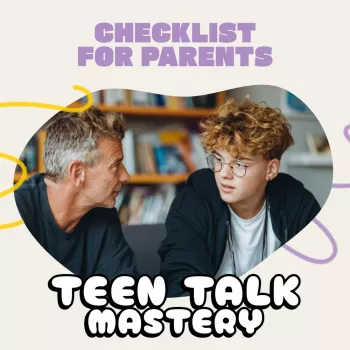
If the book’s ideas sound right but feel tough to apply in the moment, a simple “pause-first” routine can make the techniques easier to use when you’re stressed. For a practical checklist you can lean on during real-life moments—doorway arguments, car rides, homework fights—see this calm teen conversation guide.
Bottom line
This is a solid, parent-friendly resource for anyone tired of repeating themselves, walking on eggshells, or escalating into arguments. It won’t remove normal teen conflict, but it can change the way conflict sounds—less attacking, more collaborative, and far more likely to end with actual communication.
FAQ
How can I set limits without starting a fight with my teen?
Use a calm, brief boundary and acknowledge the feeling first (e.g., “I get that you’re mad; the curfew is still 10”). Offer a choice within the limit when possible and revisit the conversation after everyone cools down.















Leave a comment
You must be logged in to post a comment.