Will a Breakaway Collar Pop Open If You Grab and Pull?
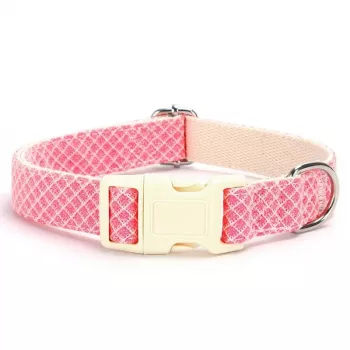
Do breakaway collars break if you pull the dog to grab them?
Answer
Yes—often they can. A breakaway dog collar is designed to release under a certain amount of force so a dog can escape if the collar gets snagged on a crate, fence, branch, or another dog’s mouth. If you grab the collar and pull hard to stop or control your dog, you may hit that release threshold and the buckle can pop open or the “breakaway” section can separate.
How easily it releases depends on the specific hardware and how it’s adjusted. Some breakaway buckles are tuned for lighter force (common on cat-style breakaways), while others are built for stronger dogs and take a more substantial tug. Wet conditions, worn parts, cold plastic, or a collar that’s adjusted too loosely can also make an unintended release more likely.
That’s why breakaway collars generally aren’t the best tool for leash pressure or physical restraint. If you need to guide your dog, use a properly fitted harness or a standard non-breakaway collar designed for walking. Breakaway collars are best treated as an “ID collar” for everyday wear—helpful for safety and identification, but not meant for handling the dog by the neck.
To reduce accidental releases, make sure the collar fits correctly: snug enough that it won’t slide over the head, but loose enough for comfort (typically two fingers under the collar). Also inspect the buckle and attachment points regularly for cracks, stretching, or warping. If your dog is prone to bolting or you regularly need a secure hold, consider switching your walking setup while still keeping an ID solution that matches your dog’s lifestyle.
For more guidance on comfort, fit, and safer everyday options, see the full guide here: https://luxifyo.com/guide-breathable-anti-breakaway-dog-collar-fit-comfort/.
FAQ
Are breakaway collars safe for walking on a leash?
They’re usually not ideal for leash walking because leash tension or a sudden lunge can trigger the release. A harness or a non-breakaway walking collar is typically a safer, more reliable choice for control.














Leave a comment
You must be logged in to post a comment.