Organize a Kids’ Room Full of Toys: Easy Zones & Bins
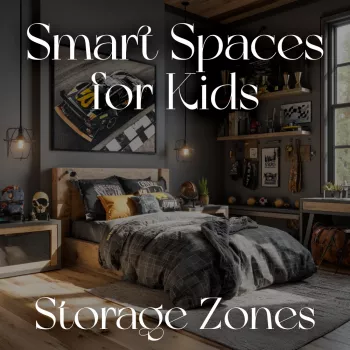
How to organize kids room with toys
When toys are everywhere, the room stops working for play, rest, and easy cleanup. The simplest fix is to organize toys by purpose, give each group a “home,” and keep the most-used items within reach. A few smart zones and consistent containers can turn daily mess into a quick reset.
1) Sort toys into simple categories first
Start by pulling toys into broad piles: building sets, dolls/figures, vehicles, crafts, pretend play, puzzles/games, and books. Don’t over-label the system—fewer categories are easier for kids to follow. As you sort, remove broken pieces and gather small parts into one bin until you decide what belongs together.
2) Create storage zones that match how kids play
Set up clear “zones” so toys naturally return to the right area: a building zone on a low shelf, a craft zone near a desk, a reading zone by a cozy chair, and a pretend-play zone near dress-up hooks. Keep open floor space for large builds and active play, and store bulky toys along walls to reduce visual clutter.
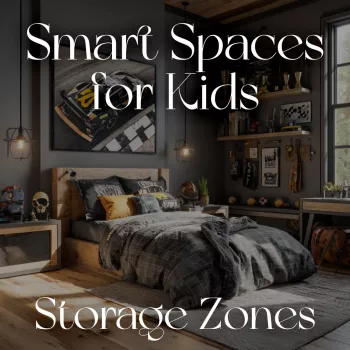
For a deeper zone-by-zone setup, use this guide: kids room storage zones and easy organization.
3) Choose containers that make cleanup fast
Use open bins for everyday toys and lidded bins for “not daily” items. Clear bins help kids see what’s inside; solid bins look calmer if the room feels busy. For tiny pieces, use small drawers or divided organizers. Label with pictures for younger kids and words for older kids.
4) Set shelf heights for independence
Put favorite toys at kid height so they can grab and return items without help. Reserve higher shelves or closets for messy crafts, sensory items, and toys with many parts. If a toy requires adult setup every time, it tends to end up left out.
5) Rotate toys to reduce overwhelm
Store half the toys out of sight and swap them every few weeks. The room feels instantly cleaner, kids focus longer, and cleanup gets easier because there’s simply less to manage. Keep rotation bins labeled by category so swapping takes minutes.
6) Make a 5-minute daily reset routine
End the day with a quick “one bin at a time” cleanup: books back to the reading zone, then building pieces, then figures, then everything else. A small laundry basket works well for collecting stray items before returning them to their homes.
FAQ
How do you store toys when you don’t have much space?
Use vertical storage like wall shelves and over-the-door organizers, and prioritize a few open bins for daily favorites. Choose stackable containers for backups and rotate the rest so only a manageable amount stays out at once.











Leave a comment
You must be logged in to post a comment.