Playroom Zones: Simple Layout That Keeps Toys Organized
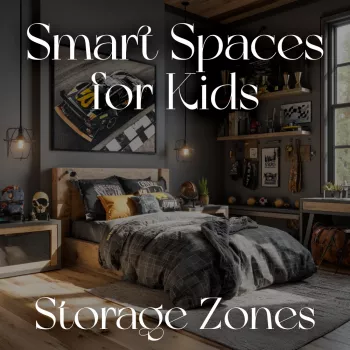
How to create zones in playroom?
Creating zones in a playroom is the fastest way to make it easier for kids to find what they want, play longer, and clean up with less help. Instead of one big “toy pile” area, you’ll set up a few simple, repeatable stations based on how your child actually plays.
Answer
Start by watching how the room gets used for a day or two. You’ll usually notice a handful of play styles (building, pretend play, crafts, reading, active play). Use those to define zones, then match each zone with the right storage so everything has a consistent “home.”
1) Pick 3–6 core zones
Most playrooms work well with: a building zone (blocks, magnetic tiles), a pretend zone (kitchen, dolls, costumes), a creative zone (art supplies), a reading/quiet zone (books and puzzles), and a “big toys” zone (vehicles, trains). Keep the number manageable so cleanup stays simple.
2) Place zones based on traffic and mess
Put messy activities (art, sensory bins) near easy-to-clean flooring and close to a trash can or wipes. Quiet activities (books, puzzles) fit best in a corner away from the main pathway. Active zones need open floor space so kids aren’t constantly bumping into shelves.
3) Match storage to the activity
Use open bins for quick-grab toys, shallow trays for small pieces, and labeled containers for sets that need to stay together. Keep the most-used items at your child’s eye level, and reserve higher shelves for “grown-up help” items like paint or tiny parts.
4) Create clear boundaries
Define each zone with a rug, low bookshelf, tape line, or cube unit. Visual boundaries reduce toy migration and help kids understand where cleanup starts and ends.
5) Make cleanup automatic
Assign one bin per category (not per toy) and label with words and simple pictures. End each play session with a quick reset: “blocks back in the block bin,” not “every piece sorted by color.”
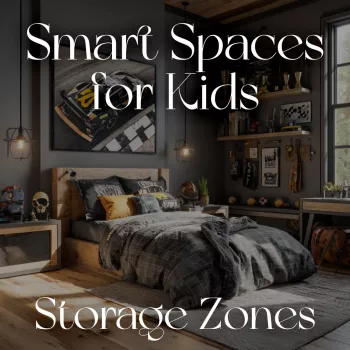
For more ideas on setting up kid-friendly storage zones that actually stick, visit this guide to kids’ room storage zones and easy organization.
FAQ
How do you organize toys when you don’t have a lot of space?
Use vertical storage (wall shelves, cube units), rotate toys so fewer are out at once, and choose bins that slide under tables or benches. Group toys by how they’re used so each small area still functions like a “zone.”











Leave a comment
You must be logged in to post a comment.