Kids Room Organization: Simple Systems That Stick
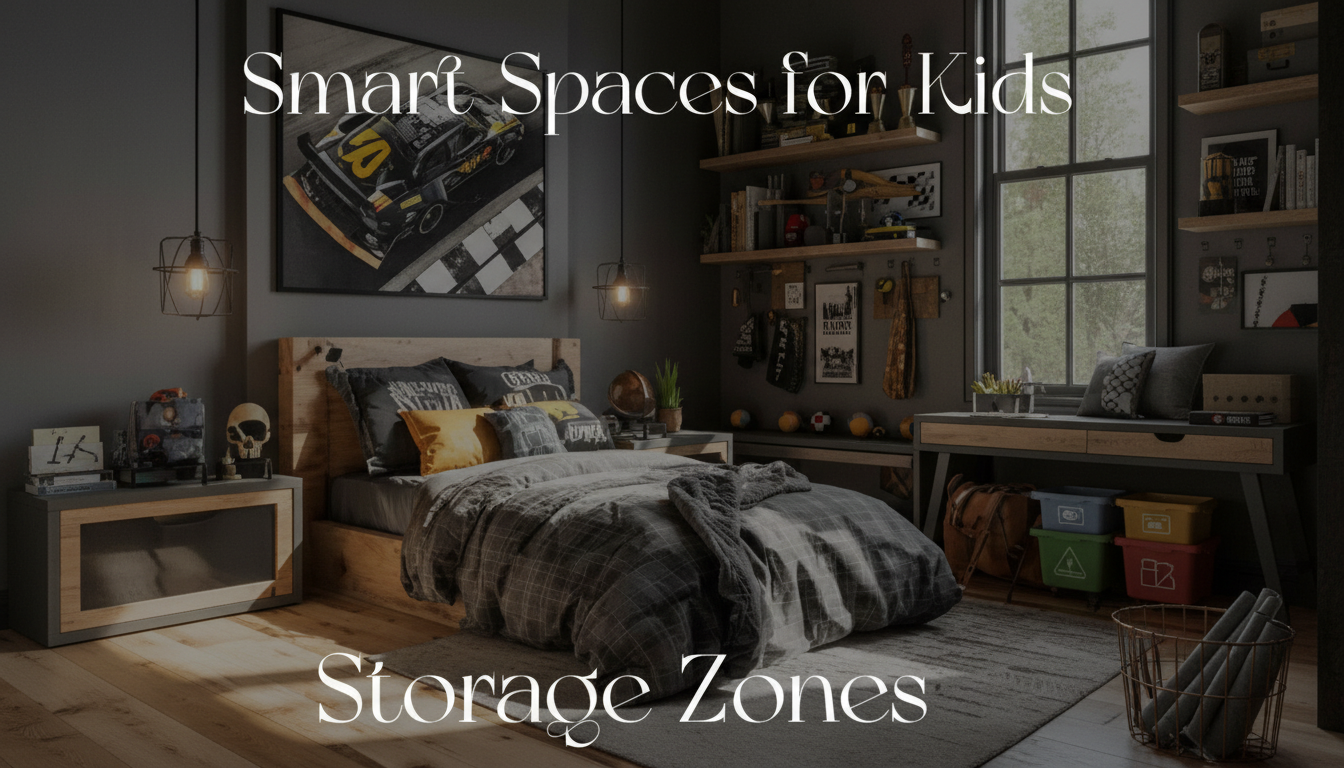
How to keep kids rooms organized?
Keeping a kid’s room organized works best when the space is set up to match how kids actually play, learn, and get dressed. Instead of aiming for a perfectly tidy room all day, focus on simple systems that make cleanup fast and make it obvious where everything belongs.
1) Create easy “zones” for everyday activities
Divide the room into a few clear areas: sleep, clothes, school/arts, toys, and books. When each zone has its own storage nearby, items don’t wander across the room. If you want a simple layout you can copy, follow the storage-zone approach in this kids’ room storage zones guide.
2) Use kid-height storage (and label it)
Choose open bins, low shelves, and drawers your child can reach without help. Add picture labels for younger kids or word labels for older kids so putting things back feels like a quick match game, not a mystery.
3) Sort toys by type and cap the quantity
Store similar toys together (building, pretend play, vehicles, dolls, games). If one category regularly overflows, it’s a sign to reduce what’s out. A simple rule: one container per toy type—when it’s full, swap or donate before adding more.
4) Make “reset routines” short and predictable
Do a 5-minute reset in the morning and another before bed. Use a timer and keep the steps consistent: (1) trash/laundry, (2) books, (3) toys, (4) desk. Consistency beats long cleanups once a week.
5) Add a landing spot for clutter magnets
Give backpacks, shoes, and jackets a dedicated hook or cubby near the door or right inside the room. One small drop zone prevents piles on the floor and makes school mornings smoother.
6) Rotate, don’t cram
Keep a small portion of toys on display and store the rest in a closet or lidded bins. Rotations keep interest high and mess low without needing to constantly buy new items.
FAQ
How do you declutter toys without upsetting your child?
Let your child choose a small “keep” set first, then pack the rest into a sealed box for 2–4 weeks. If they don’t ask for specific items during that time, it’s easier to donate them together with less stress.















Leave a comment
You must be logged in to post a comment.