Divide a Small Kids’ Bedroom Into Zones (No Walls Needed)
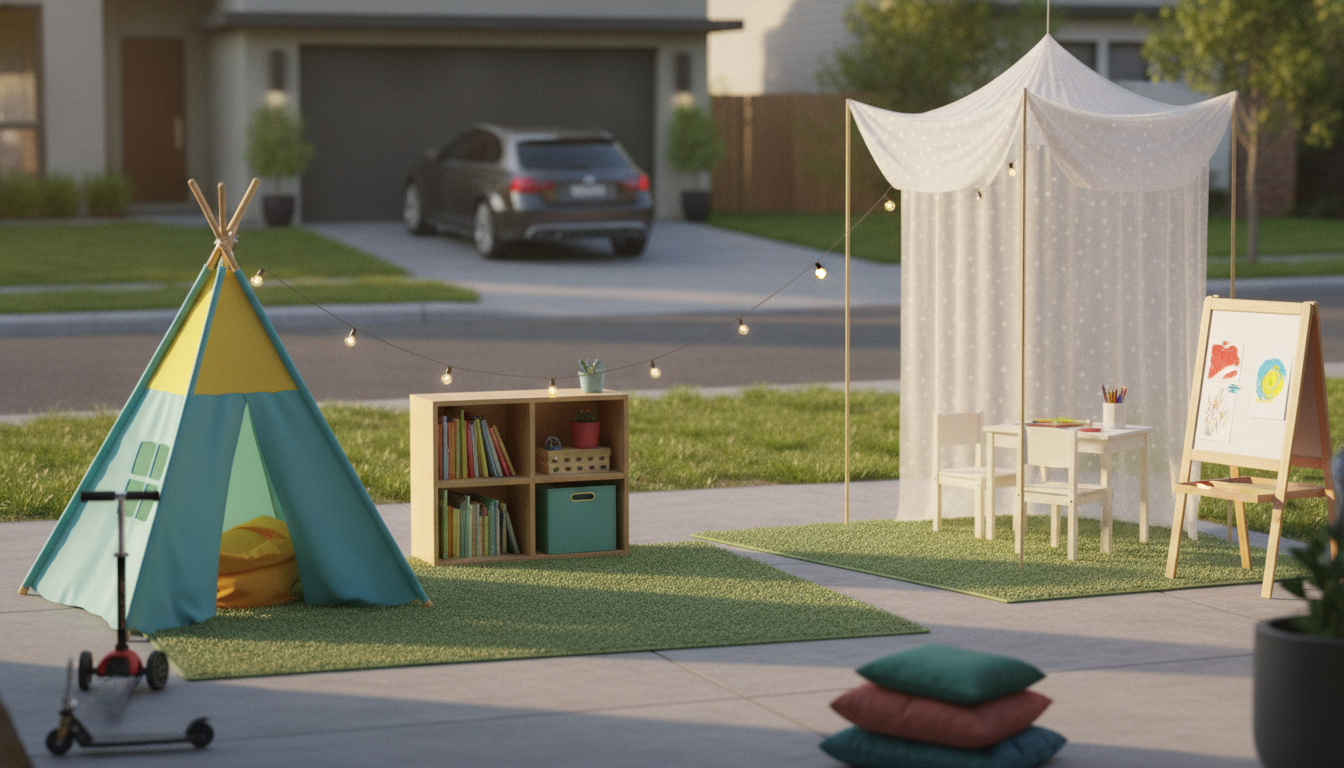
How to divide a small kids bedroom?
Dividing a small kids bedroom works best when you create clear “zones” instead of adding walls. With a few smart boundaries, one room can feel like a place to sleep, play, read, and get dressed—without looking cluttered or cramped.
1) Start with the room’s non-negotiables
Place the bed first, since it takes up the most visual space. If possible, tuck it into a corner to free up open floor area. Next, decide where clothing will live (closet, dresser, or both) and keep that zone close to the door or closet opening for easy routines.
2) Divide by function using furniture “edges”
Use a low bookshelf, cube organizer, or toy bench as a soft divider. Position it perpendicular to a wall to separate a play zone from a sleep zone, while keeping sightlines open. Low dividers also double as storage, which is usually the real problem in a small room.
3) Define zones with rugs and lighting
A small rug under a play area instantly signals where toys belong. Add a bedside lamp or wall sconce for the sleep zone and a brighter light near a desk or art surface. Different lighting cues help kids understand what happens where—especially at bedtime.
4) Use vertical space to “split” without shrinking
Wall shelves, peg rails, and over-the-door organizers keep essentials off the floor. Try a narrow wall-mounted book ledge near the bed for a bedtime reading zone, and hooks at kid height near the dresser for tomorrow’s outfit or a backpack.
5) Create storage zones so the divider actually stays tidy
Label bins by category (building, dolls, art, vehicles) and assign each category to a specific shelf or drawer. When every item has a home, the room stays divided in practice—not just in theory. For a practical way to set up kid-friendly storage zones, see this guide to kids’ room storage zones and easy organization.
FAQ
What are the best storage zones to set up in a kids’ room?
Most rooms work well with a sleep zone, clothing zone, play zone, and a small “drop zone” for backpacks and daily items. Keeping each zone’s storage nearby makes cleanup faster and reduces clutter spread.














Leave a comment
You must be logged in to post a comment.