Less Is Luxe: Minimal Wardrobe Guide for Effortless Style
Less Is Luxe: Minimal Style That Feels Effortless (and Still Looks Elevated)
A minimal wardrobe is less about owning fewer items and more about owning the right ones: pieces that fit well, mix easily, and feel like “you” every time you get dressed. Minimal style prioritizes cohesion, quality, and repeatable outfit formulas—so daily dressing feels easy without looking repetitive. If you’ve ever stared at a full closet and still felt stuck, a streamlined approach can turn “too many options” into reliable, polished choices. For more guidance, see How To Master the Art of Minimalist Fashion | Vogue.
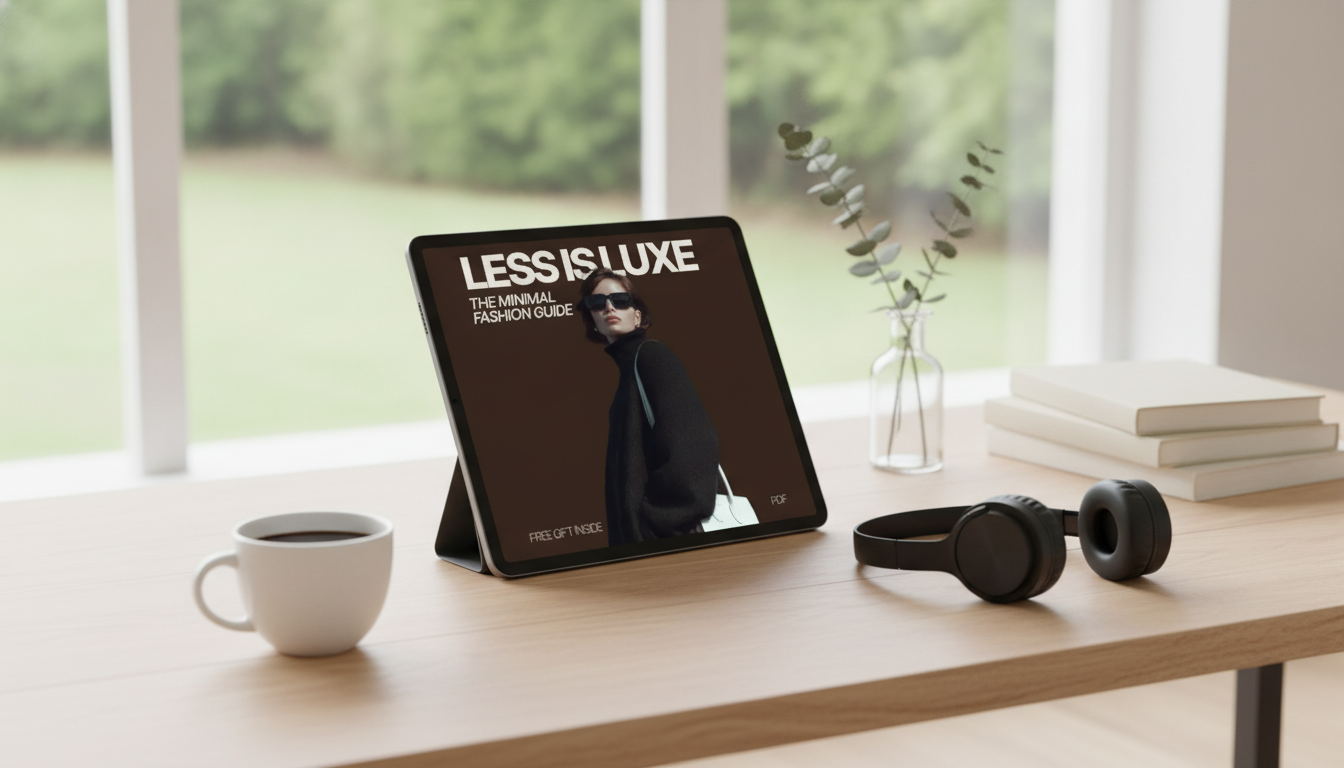
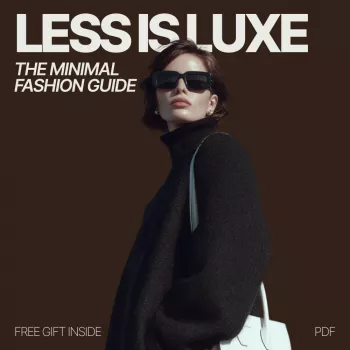
For a guided reset, Less Is Luxe: The Minimal Fashion Guide – Ultimate eBook for Timeless, Effortless Style walks through editing, refining a palette, and building outfit templates that actually work for real life. For further reading, see Gift Guide: 12 Thoughtful books about style, ethical fashion and ….
What “minimal” style actually means (and what it isn’t)
Minimal style has a practical definition: fewer, better, and more compatible pieces that cover your real needs—work days, weekends, events, and travel. Instead of collecting items that only work in one scenario, minimal dressing favors a closet where most pieces “talk to each other.”
Minimal also doesn’t mean boring. The interest comes from proportion, texture, and intentional details: a sharp shoulder line, a clean hem, a beautiful knit, a polished shoe. It’s a design mindset that overlaps with the broader concept of minimalism—refining down to what matters—applied to what you wear.
The goal is simple: reduce decision fatigue, improve cost-per-wear, and increase confidence through consistency. When you can count on your clothes to fit and coordinate, you spend less time second-guessing and more time feeling pulled together.
Who benefits most from a minimalist wardrobe approach
This approach is especially useful if your mornings are rushed. A smaller rotation paired with a few outfit templates (like “tee + blazer + straight-leg denim”) cuts getting-ready time dramatically.
It also helps if your closet feels “full but nothing to wear.” That usually isn’t a quantity problem; it’s a cohesion problem. Editing for compatibility solves the mismatch cycle.
Minimal wardrobes also shine for travel and hybrid lifestyles. Fewer items that layer well tend to photograph consistently and pack easily. And if you’re resetting style after a life change—new job, relocation, postpartum, or weight fluctuation—prioritizing fit and versatility gives you a stable foundation while everything else adjusts.
The core pillars: fit, palette, fabric, and repetition
Fit: the fastest path to polished
Palette: fewer colors, more outfits
Fabric: elevated basics rely on material
Minimal outfits depend on drape and texture. Knitwear, cotton poplin, wool, linen blends, and quality denim do heavy lifting because they hold shape and look refined. If you want a quick primer on fibers and fabric structure, this overview of textiles is a helpful reference.
Repetition: outfit repeating is the point
A simple closet edit that doesn’t require starting over
Capsule starter set: timeless pieces that multiply outfits
Prioritize shoes and outerwear. They’re the most visible finishers, and they signal polish immediately. If you enjoy sneakers as a core shoe category, The Insider’s Guide to Adidas Limited Releases: Master the adidas Limited Release Logic for Sneaker Success can help you shop more intentionally instead of impulse-buying random pairs that don’t match your wardrobe.
| Category | Suggested pieces | Why it earns a spot |
|---|---|---|
| Tops | 2–3 tees/tanks + 1 button-up | Layerable bases and an instant “put-together” option |
| Knitwear | 1–2 sweaters or cardigans | Texture and warmth without styling effort |
| Bottoms | 1 denim + 1 tailored trouser | Casual-to-polished range with minimal swaps |
| Dress/Skirt | 1 versatile option | One-piece outfit for fast styling |
| Layer | 1 blazer or structured jacket | Sharpens basics and elevates repeat outfits |
| Outerwear | 1 coat appropriate to season | Most visible piece; sets the tone |
| Shoes | 1 clean sneaker + 1 flat/loafer + 1 dressier pair | Covers daily walking and occasions |
| Accessories | Belt + simple jewelry + bag | Finishes looks and reinforces a cohesive theme |
Outfit formulas that look expensive with minimal effort
How to shop minimally without sacrificing style
Plan for cost-per-wear. Fewer items worn more often can justify better quality when budget allows. And if budgeting is part of your reset, The Solo Shopper’s Guide to Smart Grocery Budgeting can help free up room in your monthly spending so your wardrobe upgrades feel more sustainable.
Care, storage, and longevity: the quiet secret of luxe minimalism
What’s inside Less Is Luxe and how to use it week by week
Less Is Luxe is built as a structured reset: (1) edit, (2) define your palette and silhouettes, (3) build outfit formulas, and (4) shop gaps intentionally. It’s designed to be used in short, focused sessions—then revisited seasonally when your climate, schedule, or preferences shift.
Product details at a glance
| Detail | Info |
|---|---|
| Price | 54.99 USD |
| Availability | In stock |
| Type | Digital eBook |
| Focus | Timeless, effortless minimal style |
FAQ
Is a minimalist wardrobe the same as a capsule wardrobe?
They overlap because both prioritize versatility and mix-and-match dressing. Minimalism is a style philosophy focused on simplicity and cohesion, while a capsule wardrobe is often a structured set (sometimes with a specific number of items) that can change seasonally.
How many pieces do you need to look stylish every day?
Most people can do it with a core of about 10–20 key pieces plus a small set of seasonal and occasion items. Compatibility and dependable outfit formulas matter more than hitting a strict number.
Can minimal style work with color and patterns?
Yes—minimal style works well with controlled accents like one or two signature colors and a limited set of patterns. Keep patterns in a consistent scale and pair them with solids so the wardrobe stays cohesive.








Leave a comment
You must be logged in to post a comment.