Ultra-Soft Microfiber Dishcloths: 10-Pack Cleanup Upgrade
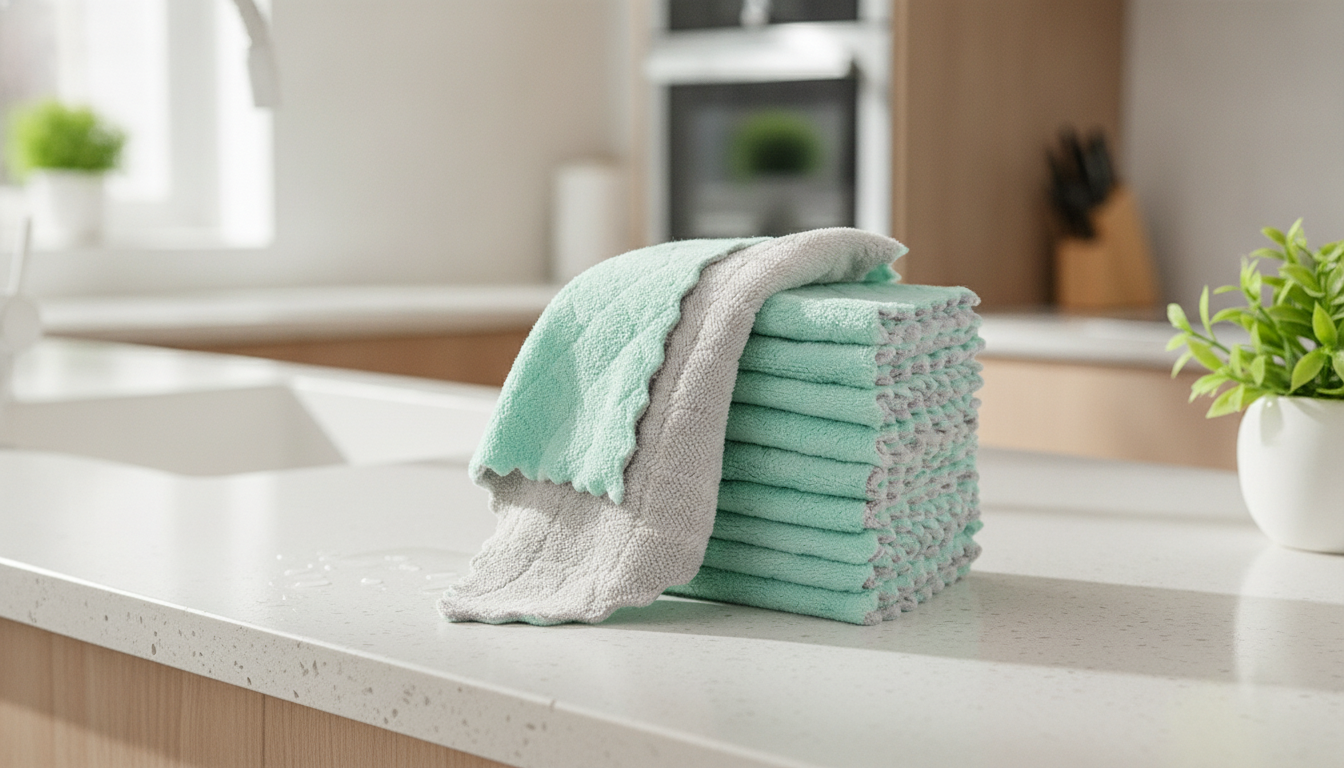
Ultra-Soft Microfiber Kitchen Dishcloths (10-Pack): Everyday Cleanup Made Easier
A good dishcloth should soak up spills fast, wipe without smearing, and stay soft after repeated washes. This 10-pack of ultra-soft microfiber kitchen dishcloths is designed for daily messes—from countertops and dishes to quick drying and spot cleaning—while keeping a fresh rotation on hand. When you have multiples ready to go, it’s easier to grab a clean cloth for each job and keep your kitchen looking (and feeling) more hygienic from prep to cleanup.
What Makes Microfiber Dishcloths Different
Microfiber isn’t just “another cloth.” It’s made from very fine synthetic fibers that help lift and hold onto moisture, grease, and tiny particles during wiping. That structure is what makes microfiber so useful for fast, everyday kitchen resets—especially when you’re dealing with splash zones around the sink, stovetop, and counters.
- Microfiber can capture moisture and small debris effectively while wiping.
- The soft texture helps reduce the chance of scratching on many common kitchen surfaces when used properly.
- A multi-cloth pack supports task separation (for example: one cloth for dishes, one for counters, one for appliances).
- Microfiber often dries faster than thicker cotton cloths, which can help reduce lingering odors when hung to air-dry.
Quick Look: 10-Pack at a Glance
If your kitchen routine involves frequent wipe-downs—coffee drips, sauce splatters, wet counters after washing produce—a 10-pack can make cleanup feel less like a constant scramble for “the last clean cloth.” This set is geared for soft handling and frequent use, with enough quantity to rotate clean cloths in without running tiny laundry loads every day.
- Designed for frequent, everyday kitchen cleanup with a soft hand-feel.
- Highly absorbent for wiping spills, drying surfaces, and light dish-duty.
- A 10-pack makes it easier to rotate clean cloths and replace used ones promptly.
- Suitable for common kitchen areas: counters, sinks, stovetops (when cool), and cabinet fronts.
Product snapshot
| Detail | What to expect |
|---|---|
| Pack size | 10 dishcloths |
| Material type | Microfiber (soft, absorbent) |
| Best uses | Wiping, drying, quick cleanups |
| In stock | Yes |
| Price | $14.51 |
Where a 10-Pack Helps Most
Having more cloths than you “think” you need is what makes the system work. Instead of overusing one damp cloth across every surface, you can switch quickly and keep tasks separate.
- Busy kitchens: Keep several clean cloths ready for cooking days, meal prep, and cleanup waves.
- Households with mixed tasks: Assign cloths by job (dishes vs. counters vs. glass) to help avoid cross-contamination.
- Quick spill response: Keep one near the sink, one near the stove, and one in a drawer for grab-and-go cleanup.
- Guest-ready resets: Swap out used cloths quickly for a fresher look and feel.
For food safety basics—especially when switching between raw ingredients and ready-to-eat foods—follow established guidance like the CDC’s core steps: Clean, Separate, Cook, and Chill.
How to Use Microfiber Dishcloths for Better Results
Microfiber performs best when it’s used with a little intention. The goal is to let the fibers do the work—lifting moisture and residue—without overloading the cloth with grease or leaving soap behind.
- For light grease: Use warm water and a small amount of dish soap, then rinse the cloth thoroughly to avoid residue buildup.
- For drying: Wring well and wipe; switch to a fresh cloth once it becomes saturated to prevent streaking.
- For shine on appliances: Use a slightly damp cloth to wipe, then buff with a dry cloth for a cleaner finish.
- For food-contact areas: Launder frequently and replace cloths used on raw-meat prep surfaces immediately after use.
Care and Washing Tips to Keep Them Soft and Absorbent
A little care goes a long way with microfiber. The biggest “absorbency killers” tend to be product buildup and high-heat damage, both of which can reduce how well the fibers grab water and oils.
- Wash with similar lint-free items when possible; microfiber can grab lint from some fabrics.
- Skip fabric softener: it can coat fibers and reduce absorbency over time.
- Use mild detergent and avoid bleach unless the manufacturer specifically allows it.
- Air-dry or tumble dry low to help maintain softness and reduce fiber damage from high heat.
- Hang to dry between uses to minimize musty odors.
For general home hygiene considerations around dishcloths and sponges, see consumer guidance from NSF: Kitchen sponge and dishcloth hygiene resources.
Microfiber vs. Cotton vs. Sponges for Kitchen Cleanup
Each option has a place. The easiest way to keep your routine simple is to match the tool to the task instead of forcing one item to do everything.
A Simple Kitchen Cloth Rotation System
Product Options Available Now
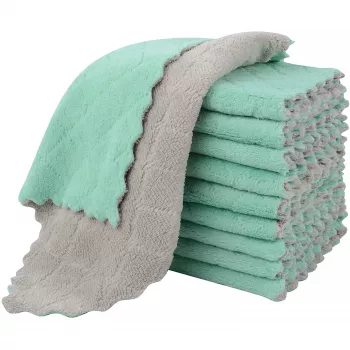
- Ultra-Soft Microfiber Kitchen Dishcloths, Highly Absorbent 10-Pack ($14.51) for daily wiping, drying, and quick cleanups.
- The Solo Shopper’s Guide to Smart Grocery Budgeting | Digital Download ($9.99) for practical meal planning and shopping structure that can help reduce kitchen waste and last-minute messes.
FAQ
Do microfiber dishcloths scratch stainless steel or nonstick cookware?
Generally no when the cloth is clean and used gently. To be safe, rinse the cloth first and avoid wiping with it if it has trapped grit or abrasive debris that could cause fine scratches.
Why do microfiber cloths sometimes stop absorbing well?
The most common causes are fabric softener residue, detergent buildup, or grease saturation in the fibers. Wash without softener, use a mild detergent, and rinse thoroughly to help restore absorbency.
How often should kitchen dishcloths be washed or replaced?
Wash frequently—often daily or every 1–2 days depending on how heavily they’re used. Replace any cloth that keeps an odor after washing, shows worn fibers, or has noticeably reduced absorbency.













Leave a comment
You must be logged in to post a comment.