Deep Sleep Meditation Routine + Checklist for Better Rest
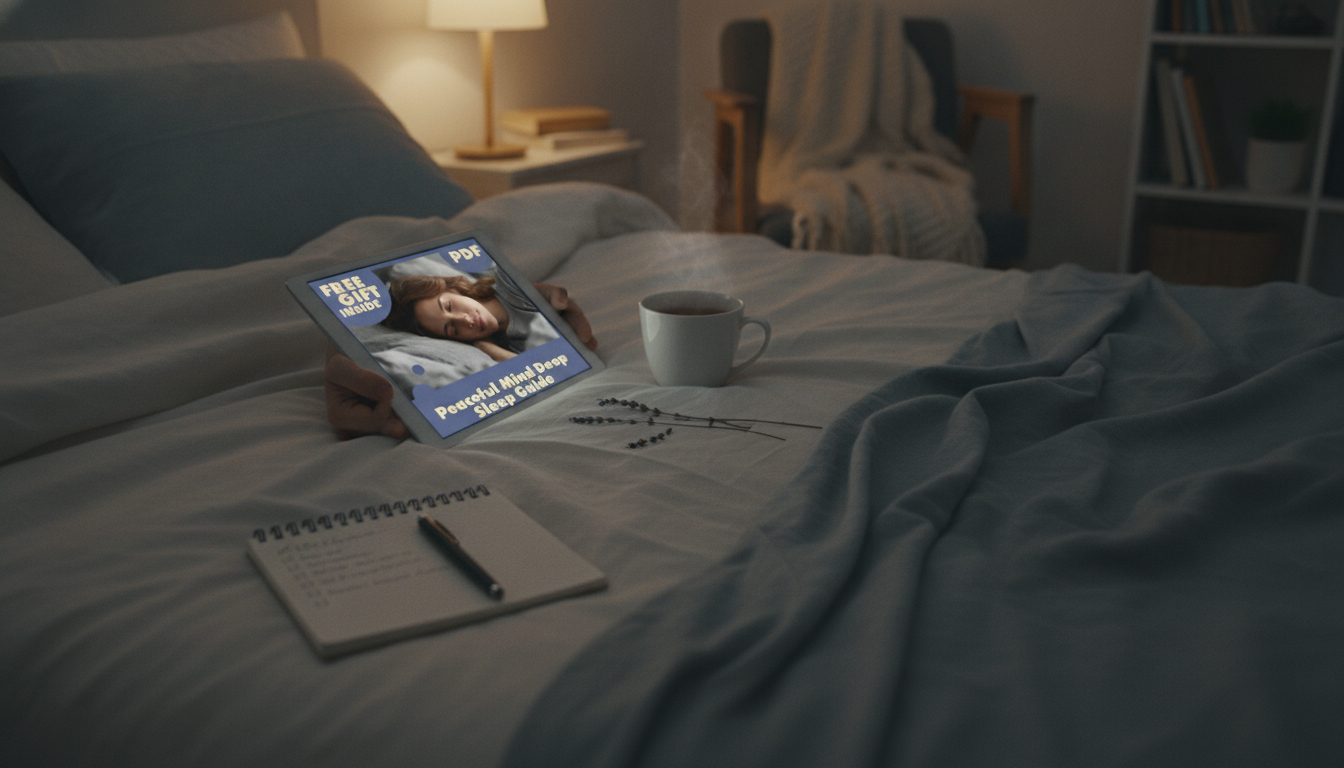
Peaceful Mind Deep Sleep Guide: A Simple Nightly Meditation Routine for Better Rest
A calmer mind at bedtime often starts with a plan that is easy to repeat. This guide pairs a gentle meditation flow with a practical checklist so the body can downshift, thoughts can settle, and sleep can feel more natural—whether the goal is falling asleep faster, sleeping more deeply, or waking up less during the night.
Why the mind stays “on” at night
It can feel confusing when the body is clearly tired, but the mind won’t stop. Often, it’s not a lack of willpower—it’s the nervous system still running the day’s program.
- Stress hormones and late-day stimulation: Busy afternoons, intense workouts too late, heavy news, or emotionally loaded conversations can keep the system in a high-alert state long after you get into bed.
- Conditioned bedtime habits: Scrolling, working, or watching bright, fast-paced content teaches the brain that bed equals activity—so it keeps generating “doing” energy.
- Unfinished tasks and worry loops: When distractions drop away, the brain surfaces open tabs: plans, regrets, reminders, and what-ifs.
- Missing consistent cues: A repeatable wind-down routine acts like a “safe to power down” signal—especially when it happens in the same order nightly.
For evidence-based sleep basics, the CDC’s sleep resources and the NHLBI guide to healthy sleep offer helpful context on how routines and environment can support rest.
What’s inside the Peaceful Mind Deep Sleep Guide (digital download)
The Peaceful Mind Deep Sleep Guide (digital download eBook & checklist) is built for real evenings—when you want something simple, structured, and calming without turning bedtime into another performance.
- A guided, step-by-step relaxation approach designed for bedtime (breath, body, and attention cues)
- A printable or reusable checklist that turns “sleep better” into repeatable actions
- Short sections that fit different nights: a full routine and a quicker version for low-energy evenings
- Tools to reduce racing thoughts without forcing the mind to be blank
What the routine covers and why it helps
| Routine element | Purpose at bedtime | Typical time |
|---|---|---|
| Light & screen step-down | Reduce alerting signals and support melatonin timing | 5–20 min |
| Breath pacing | Shift toward parasympathetic activity and slower heart rate | 2–5 min |
| Body scan relaxation | Release muscle tension and interrupt worry loops | 5–10 min |
| Letting-thoughts-pass technique | Reduce mental “grabbing” and rumination | 2–8 min |
| Sleep readiness checklist | Make the routine consistent and easy to repeat | 2–3 min |
For a bigger picture on meditation and safety considerations, the NCCIH overview of meditation and mindfulness is a reliable reference.
A 15–25 minute nightly routine (repeatable and low pressure)
This flow is designed to feel doable even when you’re wiped out. The point isn’t to force sleep—it’s to reduce friction so sleep can arrive.
- Set the environment: Dim lights, cool the room, and create a clear boundary that the day is done (even if the day wasn’t perfect).
- Do a quick “tomorrow note”: Write down the top worry or task on paper. Give it a home so the brain doesn’t have to keep rehearsing it.
- Breath practice (2–5 minutes): Inhale gently, then exhale a little longer. Keep it comfortable—no strict counting required. If you feel lightheaded, return to normal breathing.
- Body scan (5–10 minutes): Move attention from forehead to jaw, shoulders, chest, belly, hips, legs, and feet. On each exhale, soften that area by 5%—subtle release beats dramatic effort.
- Attention anchor (2–8 minutes): Choose one simple focus (breath at the nostrils, belly rise, or a calming phrase). When thoughts pull you away, return to the anchor without scolding yourself.
- If sleep doesn’t come quickly: Keep the practice gentle. Reducing struggle is often the fastest path to sleepiness.
Using the checklist to build consistency (without perfectionism)
Consistency matters more than intensity. The checklist format helps because it turns bedtime into a sequence—less decision-making, less negotiating, fewer “shoulds.”
Common obstacles and quick fixes
Digital download tips: making it easy to use every night
Get the Peaceful Mind Deep Sleep Guide (instant access)
- Peaceful Mind Deep Sleep Guide | Meditation for Relaxation and Sleep | Digital Download eBook & Checklist for Better Rest
- The Solo Shopper’s Guide to Smart Grocery Budgeting | Digital Download for How to Budget Groceries for 1 | Meal Planning Guide for One (helpful for reducing day-to-day stressors that can follow you into bed)
- Less Is Luxe: The Minimal Fashion Guide – Ultimate eBook for Timeless, Effortless Style (simplifying routines can lower decision fatigue, which often shows up as nighttime mental noise)
FAQ
How long should a bedtime meditation be to help with sleep?
A practical range is 5–25 minutes. Short sessions done consistently tend to help more than occasional long sessions, and a 3–7 minute “minimum viable routine” can keep the habit going on tough nights.
What if meditation makes thoughts feel louder at night?
That’s common at first, because quiet can make mental activity more noticeable. Use a body-based start (body scan or muscle release), label thoughts briefly (like “planning”), and return to a simple anchor without trying to force silence.
Can this be used if waking up in the middle of the night is the main problem?
Yes—use a shortened version with low light, no clock-checking, and 2–5 minutes of gentle breathing plus a quick body scan. The goal is lowering arousal so the body can drift back toward sleep.
















Leave a comment
You must be logged in to post a comment.