History of Fashion Designing: From Courts to Couture
What is the history of fashion designing?
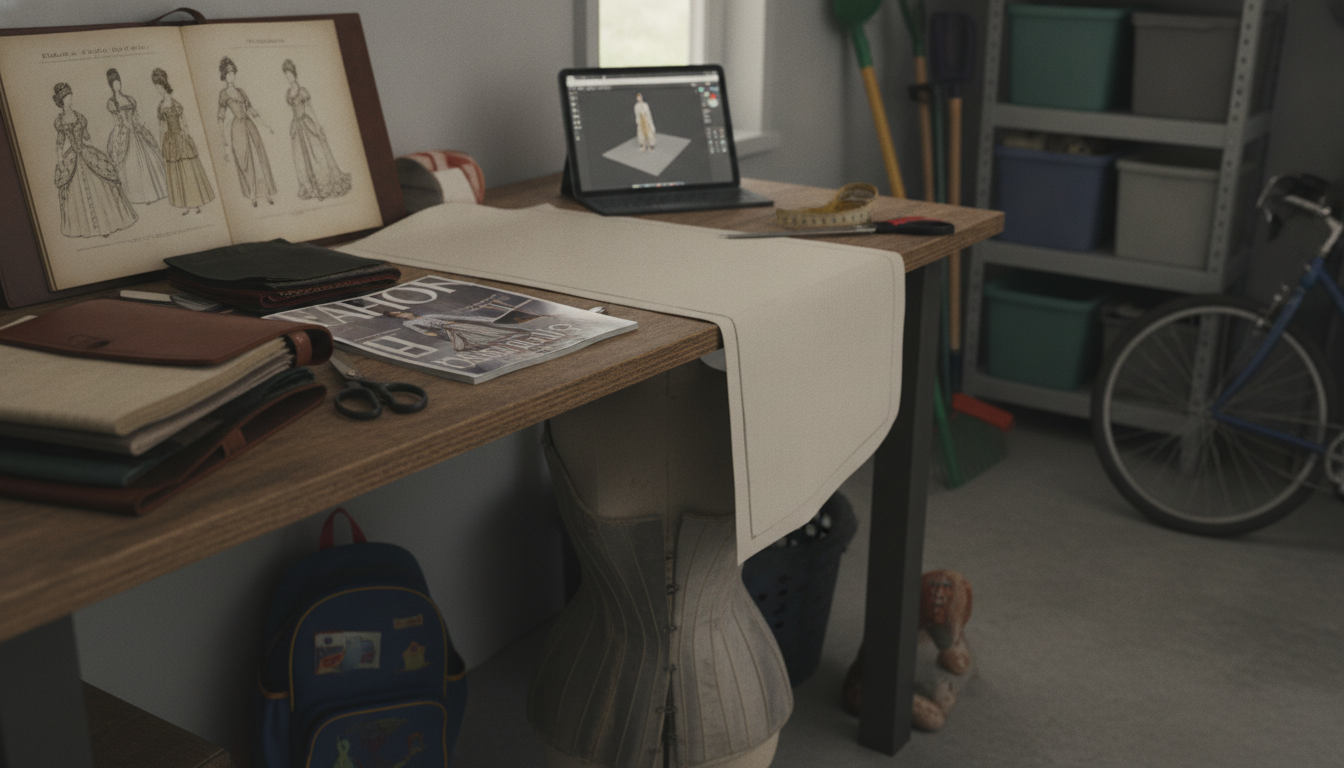
The history of fashion designing is the story of how clothing moved from practical craft to a recognized creative profession—shaped by technology, social change, and cultural taste. For centuries, most garments were made by tailors, seamstresses, and dressmakers who worked locally and followed tradition rather than seasonal “design.”
From court dress to early trendsetting
In Europe, royal courts helped formalize style as a symbol of power and status. Luxurious fabrics, strict dress codes, and rapidly shifting silhouettes created demand for skilled makers who could interpret elite preferences. Over time, cities like Paris became influential hubs where new ideas spread through portraits, fashion plates, and word of mouth.
Haute couture and the rise of the designer
Modern fashion design is often traced to the 19th century, when Charles Frederick Worth popularized the idea of the couturier as an artist and tastemaker. Instead of simply fulfilling requests, he presented original models, labeled his creations, and guided clients toward a curated vision. This shift—designer-led collections, fittings, and brand identity—laid the foundation for fashion houses and runway culture.
Industrialization, ready-to-wear, and global influence
The Industrial Revolution transformed fashion through mechanized textile production and standardized sizing, making clothing more accessible. By the early-to-mid 20th century, ready-to-wear expanded rapidly, and designers began balancing artistry with mass production. Hollywood, music, youth movements, and subcultures continually reshaped what felt modern—while magazines and later television accelerated trend cycles.
Late 20th century to today: innovation and reinvention
From power dressing to streetwear, fashion design has become increasingly global and interdisciplinary. Designers now draw inspiration from diverse heritage, art, and technology, while responding to new expectations around inclusivity, sustainability, and transparency. Digital tools and social media have further changed how collections are developed, marketed, and adopted.
To see how silhouettes evolve across major eras—and how each period influenced the next—visit this visual guide to fashion history.
FAQ
What is the difference between haute couture and ready-to-wear?
Haute couture is custom-made, highly crafted fashion produced in very limited quantities, often requiring multiple fittings. Ready-to-wear is made in standard sizes for broader sale, designed for retail and wider accessibility.











Leave a comment
You must be logged in to post a comment.