Safest Collar for Dogs That Pull: Fit, Width & Options
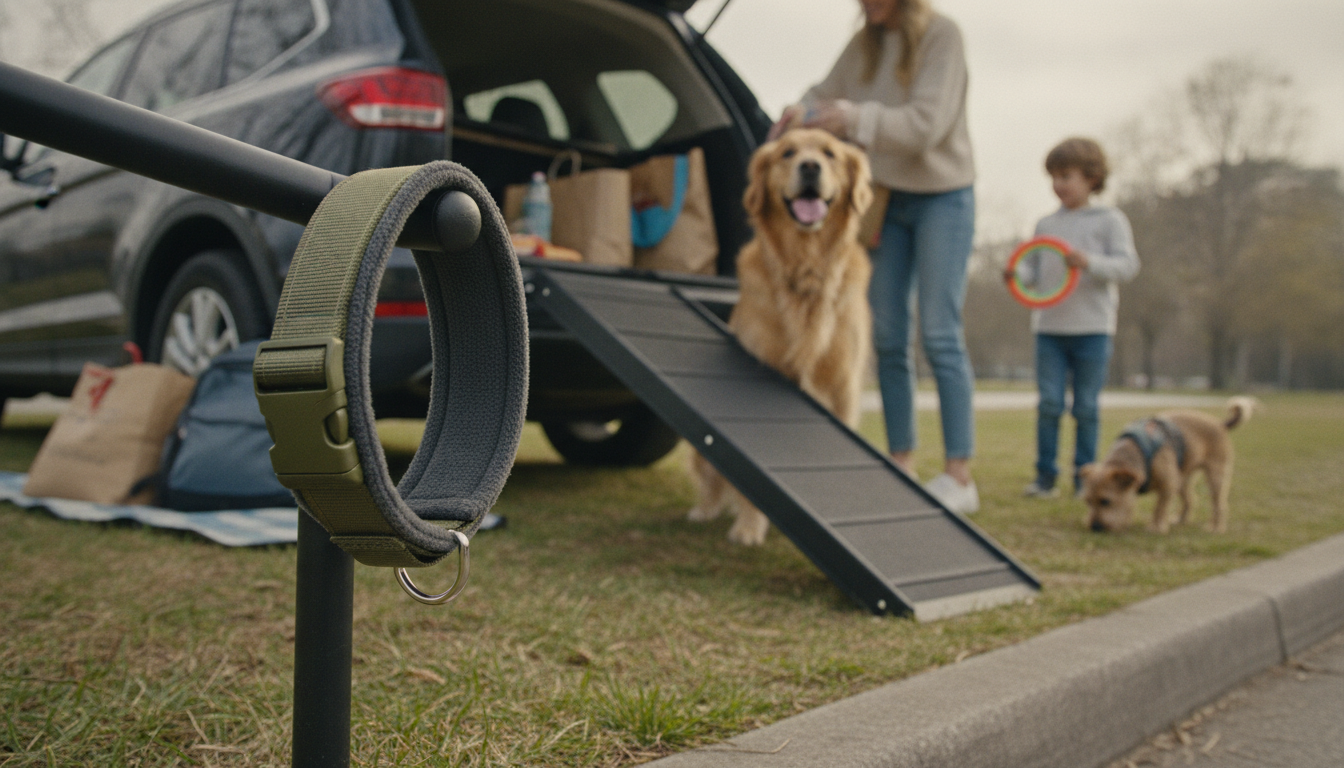
What is the safest collar for a dog that pulls?
The safest collar for a dog that pulls is a well-fitted, wide, breathable collar designed to reduce pressure points and prevent accidental escapes—paired with a safer walking setup when needed. For many pullers, a sturdy flat collar is best reserved for holding ID tags, while a front-clip harness or head halter handles leash pressure during walks. That said, some dogs still need a collar that can tolerate sudden lunges without digging into the neck or restricting breathing.
What “safe” really means for pullers
When a dog hits the end of the leash, the collar can concentrate force on the trachea, throat, and cervical spine. A safer collar helps by distributing pressure across a wider surface, staying positioned correctly, and avoiding hardware failures. It should also be comfortable enough that you can keep it on for everyday wear without rubbing or matting fur.
Features to look for in a safer collar
Choose a collar with these safety-focused traits:
- Wider band (especially for medium and large dogs) to spread load and reduce “string-like” pressure.
- Breathable, smooth materials that minimize heat buildup and chafing, especially on thick-coated dogs.
- Reliable buckle and stitching so a hard pull doesn’t pop the closure or tear the webbing.
- Proper fit: snug enough that it won’t slip over the head, but not tight—use the two-finger rule at the neck.
- Anti-breakaway design choices depending on your use case: breakaway features can reduce snag risks, while non-breakaway strength can be better for supervised walks when you need maximum security.
Collar types to avoid for strong pullers
For dogs that pull hard, avoid relying on thin slip collars or harsh corrective tools for everyday walking. These can increase neck pressure quickly and may worsen coughing, gagging, or anxiety on leash. If training tools are used, they should be guided by a qualified professional and never replace solid leash skills.
How to set your dog up for safer walks
Many owners use a “collar for ID, harness for leash” approach: keep tags on the collar, and clip the leash to a front-clip harness to reduce pulling power. For guidance on breathable materials, comfort, and secure fit details, see the full guide here: https://luxifyo.com/guide-breathable-anti-breakaway-dog-collar-fit-comfort/.
FAQ
Is a harness safer than a collar for a dog that pulls?
Often, yes—especially a front-clip harness, which redirects the dog’s momentum and reduces strain on the neck. A collar can still be used for ID tags, but the harness handles leash force more safely during walks.















Leave a comment
You must be logged in to post a comment.