Blind Spot Examples: Everyday, Work, and AI Risks
What are examples of blind spots?
Blind spots are gaps in awareness that cause someone (or something) to miss important details, risks, or perspectives. They show up in everyday life, in workplaces, and increasingly in technology—especially when people assume a system is more accurate or neutral than it really is.
Everyday blind spot examples
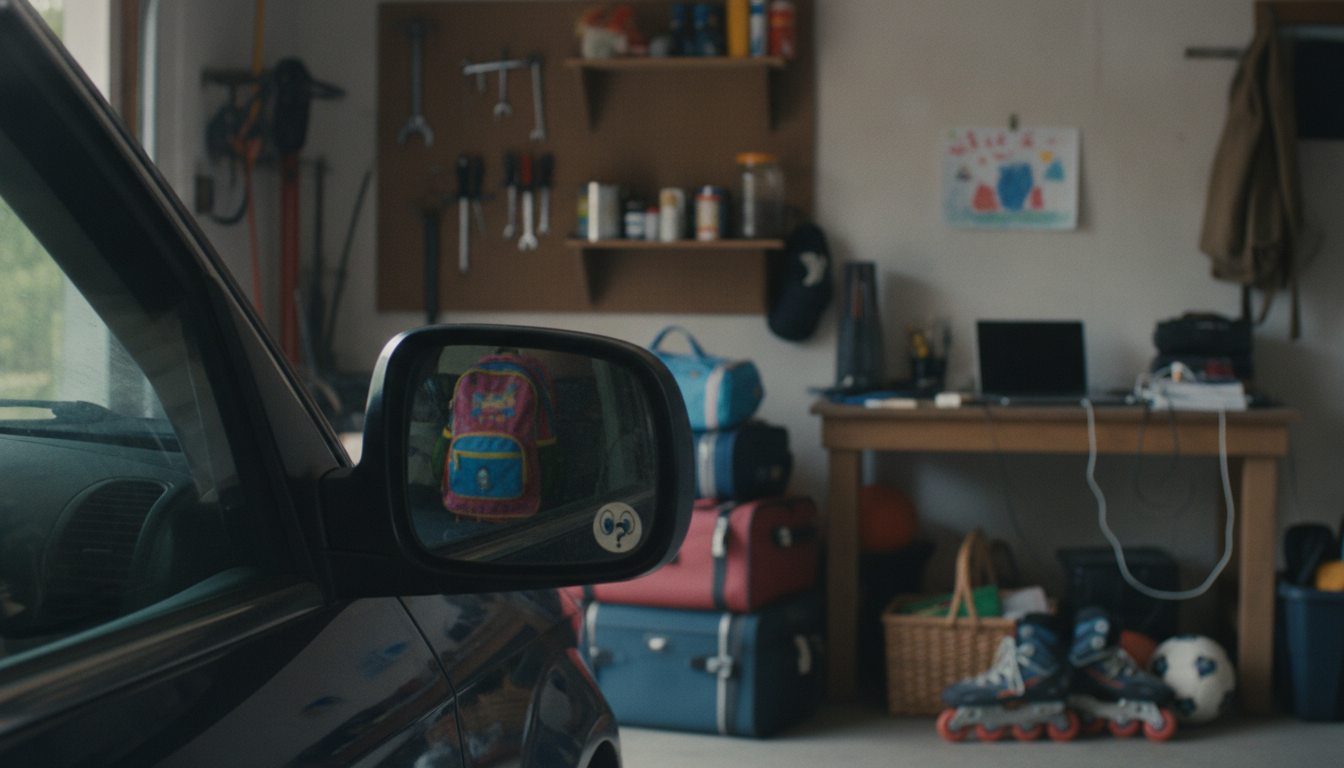
Driving blind spots: Vehicles have areas that mirrors don’t fully cover, so a car or cyclist can be there even when the lane “looks” clear.
Communication blind spots: Tone over text is easy to misread. A short message can sound annoyed even when it wasn’t meant that way.
Memory blind spots: People confidently “remember” details that are wrong, especially after hearing repeated stories or leading questions.
Workplace and decision-making blind spot examples
Confirmation bias: Only noticing information that supports an existing plan while discounting warning signs.
Overconfidence in expertise: Assuming a past success guarantees a future outcome, so risk checks get skipped.
Metrics blind spots: Optimizing what’s easy to measure (like speed or volume) while ignoring what matters (like quality, safety, or customer trust).
Technology and AI blind spot examples
Training-data gaps: A tool may perform well for common scenarios but fail on edge cases it rarely saw in training (unusual lighting, accents, niche medical conditions, uncommon product names).
Hidden bias: If historical data reflects unequal treatment, an automated decision can repeat those patterns—even without “intending” to.
Hallucinations and false certainty: Some AI systems can produce plausible-sounding but incorrect statements, citations, or instructions.
Context blind spots: A model might miss local laws, workplace policy, cultural nuance, or safety constraints that a human would flag immediately.
For a deeper look at how these gaps happen and how to set safer boundaries, read the main guide: https://luxifyo.com/guide-ai-blind-spots-limits-bias-safer-boundaries/.
FAQ
How can you identify your own blind spots?
Ask for specific feedback from people who see your work up close, and compare your assumptions against real outcomes. Using checklists, pre-mortems, and diverse reviewers can surface patterns you routinely miss.














Leave a comment
You must be logged in to post a comment.