Grounding Yoga Poses: Key Benefits for Body and Mind
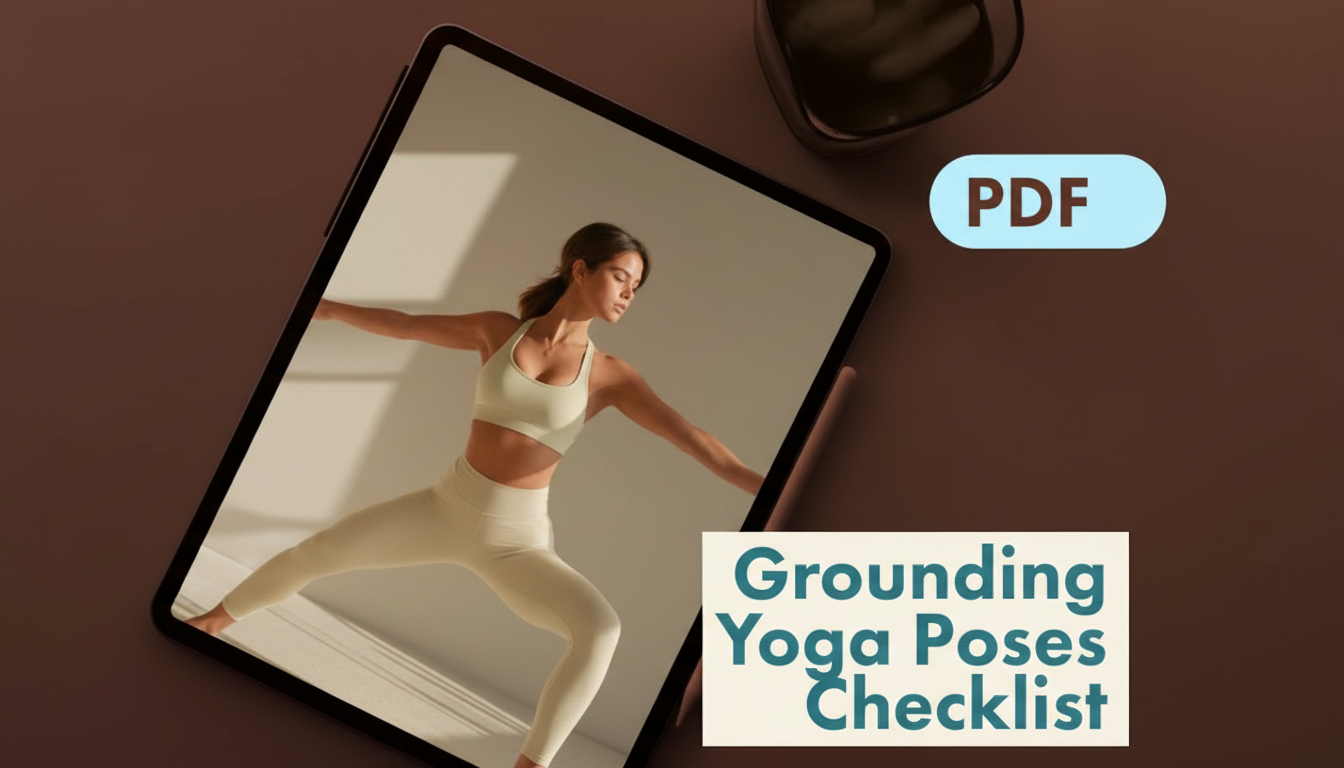
What are the benefits of grounding yoga poses?
Grounding yoga poses are postures that emphasize steady contact with the earth—often through the feet, shins, or hips—to help the body feel supported and the mind feel settled. By prioritizing stability over complexity, these poses can make practice feel calmer, more centered, and easier to sustain, especially on stressful days.
They help calm the nervous system
Grounding shapes tend to slow things down: fewer transitions, more deliberate breathing, and a longer hold in stable positions. That combination can nudge the body out of “go mode” and into a calmer state. Many people notice an easier breath, reduced agitation, and a greater sense of control when they focus on the sensation of being held up by the floor.
They improve balance, stability, and body awareness
When a pose asks you to root down, you naturally pay attention to alignment—how weight is distributed across the feet, where the pelvis sits, and how the spine stacks. This builds proprioception (your sense of where your body is in space) and can translate to better balance and steadier movement off the mat.
They support posture and lower-body strength
Many grounding poses engage the legs, glutes, and core to create a strong base. Over time, that consistent engagement can help with posture by training the body to stabilize from the ground up. The result is often improved endurance in standing and seated positions, plus more confidence in everyday movement.
They can ease mental overload and boost focus
Grounding is as much a mental cue as a physical one. Bringing attention to pressure points—heels, toes, sit bones, or palms—gives the mind a simple, repeatable anchor. That can reduce mental noise and make it easier to stay present, even if flexibility or strength varies day to day.
For a deeper breakdown of grounding benefits and practical pose ideas, visit the full guide on grounding yoga poses.
FAQ
Which grounding yoga poses are best for beginners?
Beginner-friendly options include Mountain Pose, Child’s Pose, Legs-Up-the-Wall, and a supported Forward Fold. Choose shapes that feel stable and let you breathe slowly without strain.















Leave a comment
You must be logged in to post a comment.