Why AI Can Run 24/7 Without Needing Rest
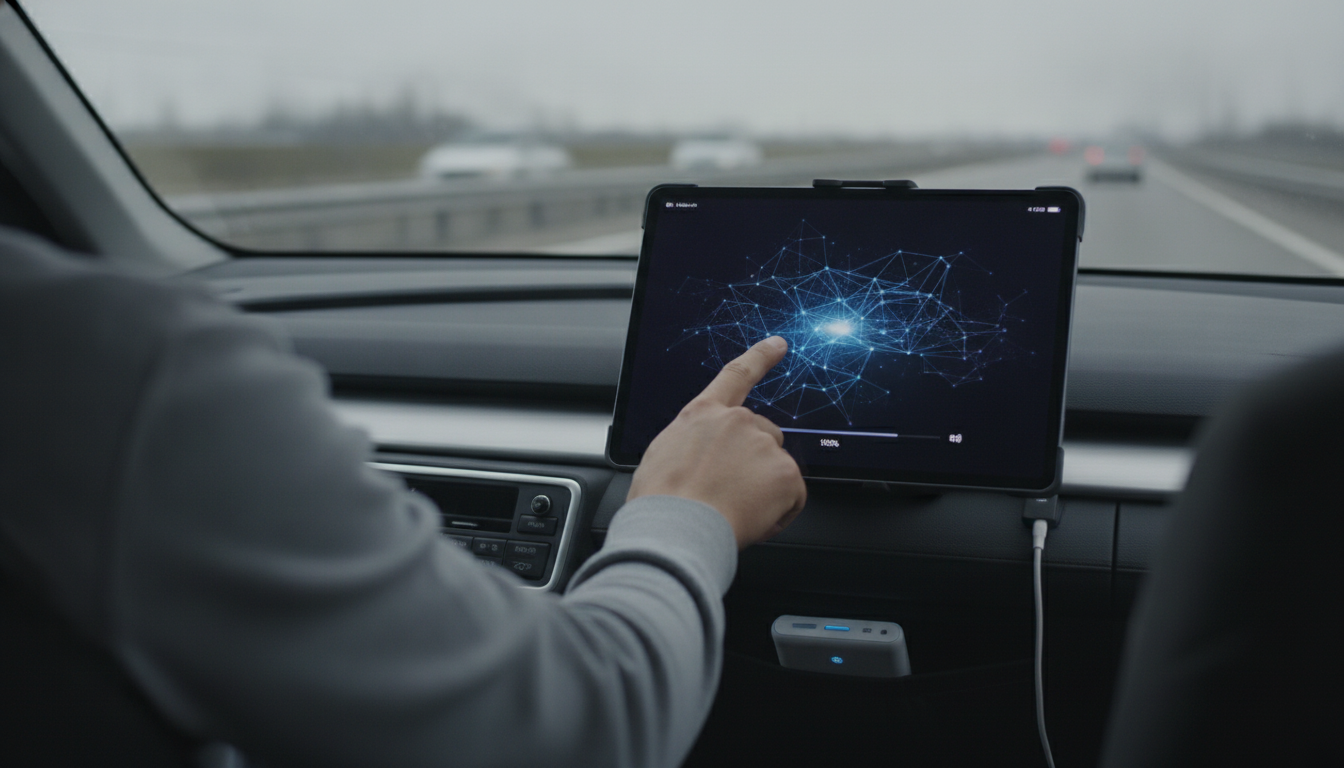
How does AI work 24-7 without needing rest?
AI can run around the clock because it’s software, not a biological body. It doesn’t get tired, need sleep, or lose focus the way people do. As long as the computers hosting it have power, cooling, and an internet connection (when required), AI systems can keep processing requests continuously.
It runs on machines designed for nonstop operation
Most AI services live on servers in data centers built for high uptime. These facilities use redundant power feeds, backup generators, battery systems, and strong climate control to keep hardware stable day and night. If one server has issues, traffic can be routed to another, so the service stays available even during maintenance or failures.
AI doesn’t “stay awake”—it executes tasks
AI isn’t conscious. It doesn’t experience fatigue or boredom. When a request comes in, the system performs calculations, retrieves data, and generates an output. Between requests, it may sit idle or scale down resources. Being “on” 24/7 usually means it’s ready to respond at any time, not that it’s constantly working at full capacity.
Scaling and load balancing keep performance steady
To handle spikes—like a surge of users planning trips at the same time—providers use load balancing and autoscaling. Load balancers distribute incoming requests across multiple machines, while autoscaling adds or removes computing capacity based on demand. That’s how AI services can remain responsive without needing “rest breaks.”
Updates happen without shutting everything down
AI systems can be updated in stages. Teams roll out changes gradually, monitor performance, and roll back quickly if needed. This “rolling deployment” approach helps keep services available while improvements are made.
If you’re using AI to stay organized while traveling—like building itineraries, scheduling rest days, or checking essentials—see the practical planning ideas in this AI travel rest-day planner checklist.
FAQ
Does AI make mistakes even if it runs all day?
Yes. Continuous availability doesn’t guarantee perfect accuracy—AI can still misunderstand context, rely on incomplete information, or produce confident-sounding errors, so double-check important details.
















Leave a comment
You must be logged in to post a comment.