15-Minute Yoga Stress Reset: Breathe, Stretch, Release
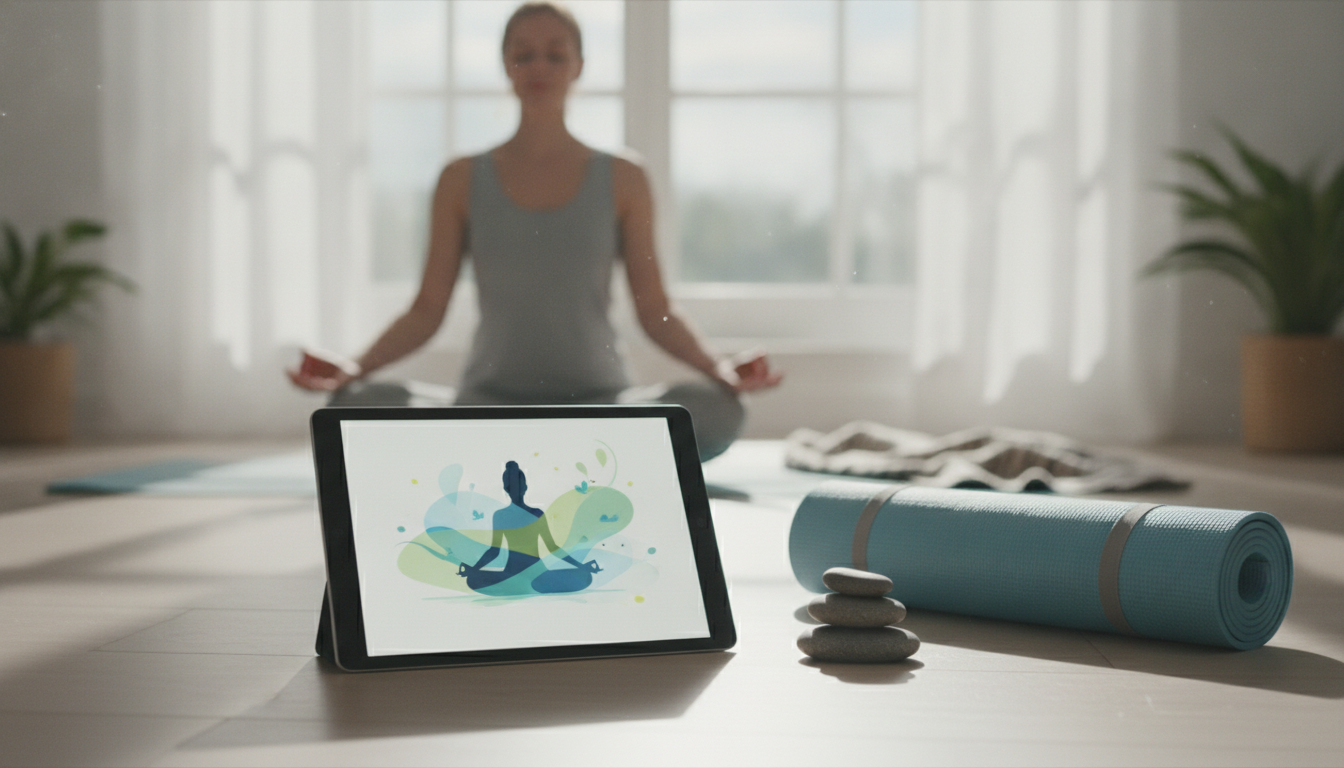
Ease Stress Where It Lives: Your Breath, Your Muscles, Your Attention
Stress rarely stays “in your head.” It shows up as tight shoulders, a clenched jaw, shallow breathing, restless sleep, and a mind that won’t slow down. The good news: a short, consistent yoga-and-breath routine can help your body shift out of high alert and into a steadier, more workable state.
This simple approach—breathe, stretch, release—is designed for busy days, small spaces, and real-life energy levels. You don’t need a perfect setup or a long session. You need a repeatable pattern your nervous system recognizes.
Why stress builds up in the body (and why gentle yoga helps)
When stress is ongoing, the body can get stuck in a “ready” mode—faster breathing, braced muscles, and a mind that scans for problems. Over time, that can feel like you’re always on, even when nothing is actively wrong. The American Psychological Association describes how stress can affect the body in multiple systems, including muscle tension and sleep disruption (APA: Stress effects on the body).
Gentle yoga supports the downshift in a few practical ways:
- Breath slows the alarm signals. Slow, comfortable breathing—especially with a slightly longer exhale—can help cue relaxation.
- Stretching reduces bracing. When you soften common stress-holding areas (neck, shoulders, hips), the body gets a clear message that it can stop “guarding.”
- Mindful movement gives the mind a job. Attention goes to breath, sensation, and alignment, so thoughts have less room to spiral.
- Short sessions train consistency. Regular 10–15 minute resets often work better than occasional long workouts because the body learns the pattern of letting go.
For a deeper look at yoga’s potential benefits and safety considerations, the National Center for Complementary and Integrative Health offers a balanced overview (NCCIH: Yoga—What You Need To Know).
The “Breathe, Stretch, Release” method in three steps
This method keeps things simple on purpose: start by calming the baseline, then move gently, then lock in the “done” feeling with a short moment of stillness. Keep intensity low—the goal is soothing the nervous system, not chasing a workout.
- Breathe: Use slow, comfortable breaths to settle first. Aim for smooth, quiet exhalations without forcing.
- Stretch: Choose a few easy poses that target neck, shoulders, chest, hips, and lower back.
- Release: Finish with a brief mindfulness cue (body scan, gratitude, or 1-minute stillness) to reinforce letting go.
| Step | What to do | How it should feel | Time |
|---|---|---|---|
| Breathe | Seated or lying breath practice with a longer exhale | Calmer, less braced | 2–4 min |
| Stretch | Gentle sequence focusing on shoulders/hips/spine | Warm, spacious, not strained | 6–12 min |
| Release | Stillness, body scan, or legs-up-the-wall rest | Settled, grounded | 2–5 min |
A 15-minute stress-reset routine (beginner-friendly)
Use this as a daily baseline or an “as-needed” reset. Move slowly, keep the breath easy, and choose comfort over depth.
Minute 0–3: Settle your breath
Sit comfortably or lie down. Breathe slowly through the nose if possible. On every exhale, relax the jaw and let the shoulders drop as if they’re getting heavier.
Minute 3–7: Soften the upper back and shoulders
- Cat-Cow (slow): Move with your breath—inhale as the chest opens, exhale as the spine rounds.
- Child’s Pose: Knees wide or together; rest your forehead on hands or a pillow.
- Thread-the-Needle: A gentle twist for the shoulders; keep pressure light and steady.
Minute 7–11: Release hips and the back line
- Low lunge (supported): Place hands on blocks, a chair, or your thigh for stability.
- Forward fold (knees bent): Let the head hang; think “decompress” rather than “stretch harder.”
Minute 11–14: Unwind the spine
Do a supine twist on each side. Keep shoulders heavy and breath steady. If the twist feels intense, place a pillow under the knees for support.
Minute 14–15: Stillness
Lie on your back with hands on belly or heart. Notice what feels different—breath speed, jaw tension, shoulder height—without judging it.
If you want an evidence-informed perspective on how breath and relaxation techniques can help dial down stress responses, Harvard Health explains why breath control matters (Harvard Health: Breath control helps quell stress response).
Micro-practices for stressful moments (desk, commute, and before sleep)
These are small enough to use in real life—when you can’t “do a full session,” but you can still interrupt the stress loop.
Mindfulness cues that make the practice stick
Safety and comfort: keep it supportive, not strenuous
Digital resources to practice at home (flexible, beginner-friendly)
- Breathe, Stretch, Release: Yoga for Stress-Free Living | Digital Guide to Yoga for Stress Management, Mindfulness & Wellness eBook — a practical, approachable routine built around calming breath, gentle movement, and mindful release.
- The Solo Shopper’s Guide to Smart Grocery Budgeting | Digital Download for How to Budget Groceries for 1 | Meal Planning Guide for One — helpful for reducing money-related stress with a simple planning system.
- Less Is Luxe: The Minimal Fashion Guide – Ultimate eBook for Timeless, Effortless Style — a supportive way to simplify choices and reduce daily decision fatigue through a streamlined wardrobe approach.
FAQ
How often should yoga be done for stress relief?
A realistic baseline is 3–5 times per week, or even daily for just 5–15 minutes. Consistency matters more than intensity, and short sessions can be surprisingly effective when you repeat them regularly.
Is yoga safe to do when feeling anxious or overwhelmed?
Gentle poses and comfortable, unforced breathing are usually best—think child’s pose, constructive rest, and slow movements. Stop if symptoms worsen (like dizziness or panic), and seek professional support if anxiety is severe or persistent.
What’s the best time of day to practice for calmer sleep?
Evenings tend to work well when stimulation is lower and you can keep the pace soothing. Choose calming poses (hips, twists, legs-up-the-wall) and avoid vigorous flows too close to bedtime.















Leave a comment
You must be logged in to post a comment.