Root Chakra Trauma: What’s Stored and How to Ground
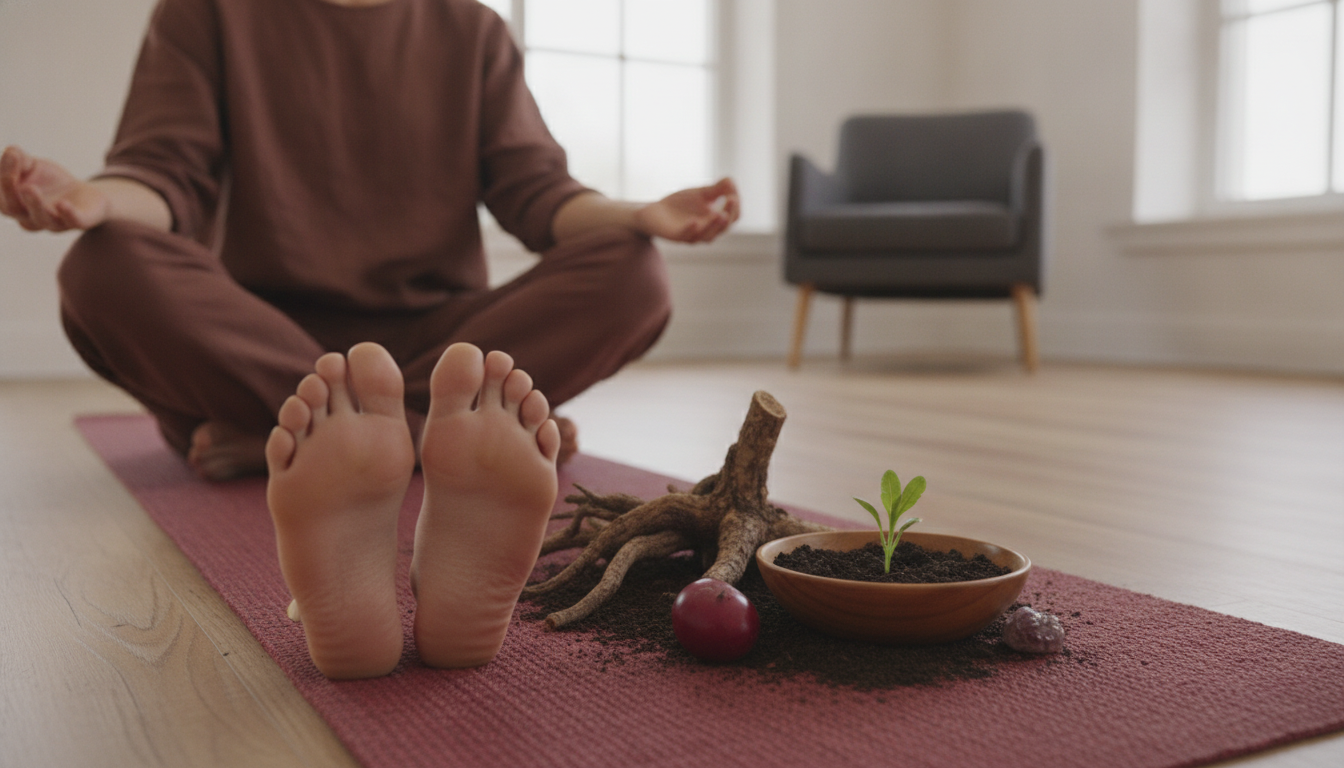
What trauma is stored in the root chakra?
In many yoga and energy-healing traditions, the root chakra (Muladhara) is associated with safety, stability, and basic trust. The “trauma stored” there is often understood as experiences that made it hard to feel secure in the body or in the world—especially events involving survival, shelter, money, family stability, or belonging.
Common themes linked to root-chakra trauma
Root-chakra trauma is typically described as fear-based or survival-based stress. Examples often include early childhood instability, neglect, housing insecurity, food scarcity, chaotic home environments, or sudden losses that disrupted a sense of “I’m safe.” It can also include ongoing stressors such as chronic financial pressure, unsafe living situations, or relationships that keep the nervous system in fight-or-flight.
How it may show up day to day
When this area feels “off,” people often report persistent anxiety, hypervigilance, trouble relaxing, or feeling ungrounded—like it’s hard to settle into the present moment. It may also show up as over-controlling behaviors, difficulty trusting others, or a constant urge to “prepare for the worst.” Some traditions connect root imbalance with fatigue, tension in the hips/legs, or a sense of disconnection from the body, though these experiences can have many causes.
Supportive ways to feel more grounded
Root support generally emphasizes steadiness and repetition: consistent sleep and meals, gentle strength-building, time in nature, and grounding breathwork. Grounding yoga poses that engage the legs and hips—done slowly and with attention to exhale—are commonly used to help signal safety to the body. For a practical, pose-by-pose option, see the printable grounding yoga poses checklist.
When to get extra support
If fear, dissociation, panic, or trauma symptoms feel intense or persistent, working with a licensed mental health professional or trauma-informed practitioner can provide safer, more tailored care—especially alongside body-based practices.
FAQ
What are some grounding practices besides yoga?
Try slow walks, feeling your feet press into the floor, naming five things you can see, or using a longer exhale to calm the nervous system. Consistent daily routines can also reinforce a sense of safety over time.















Leave a comment
You must be logged in to post a comment.