Most Calming Yoga: Restorative, Yin, and Yoga Nidra
What is the most calming yoga?
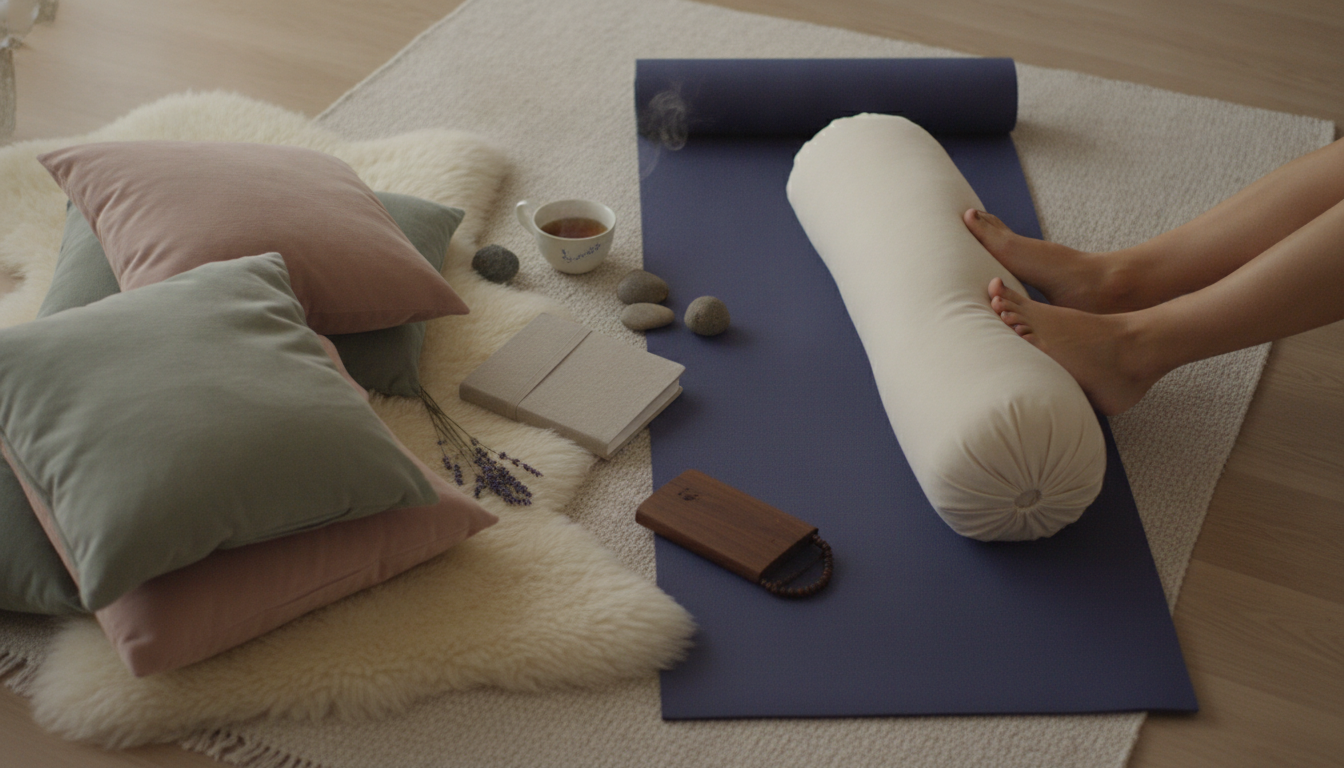
The most calming yoga is typically Restorative Yoga. It’s designed to quiet the nervous system with long, supported holds that help the body fully relax—often using props like bolsters, blankets, and blocks so muscles can soften instead of working.
Why Restorative Yoga feels so soothing
Restorative Yoga is slow and still on purpose. Instead of moving through many poses, you settle into a small number of shapes for several minutes each. That extended time—paired with steady breathing—can encourage a shift out of “fight or flight” and into a calmer, more regulated state.
It’s also gentle on the joints and accessible for many fitness levels, including days when energy is low, stress is high, or sleep has been off.
Other yoga styles that can be deeply calming
Yin Yoga
Yin involves longer holds (often 2–5 minutes) with a focus on relaxing into the pose. It can be very grounding, though some shapes may feel intense in connective tissues—so supportive props and a mellow approach matter.
Gentle Hatha
Gentle Hatha uses simple postures, unhurried transitions, and plenty of pauses. If total stillness feels uncomfortable, this can be a calming middle ground between movement and rest.
Yoga Nidra
Often called “yogic sleep,” Yoga Nidra is a guided relaxation practice done lying down. It’s one of the most calming options when the goal is mental quiet and deep rest without physical effort.
Calming yoga poses to try
If a full class style feels like too big a decision, start with a few grounding poses—like Child’s Pose, Legs-Up-the-Wall, Reclined Bound Angle, and Supported Savasana—and stay longer than usual while breathing slowly. For a simple, printable way to build a steady routine, visit this grounding yoga poses checklist for calm and focus.
FAQ
How long should a calming yoga session be?
Even 10–15 minutes can make a noticeable difference if the pace is slow and the holds are supported. For deeper relaxation, 20–40 minutes of restorative poses or Yoga Nidra is a common sweet spot.















Leave a comment
You must be logged in to post a comment.