Grounding Yoga Poses: 9 Steady, Calming Postures
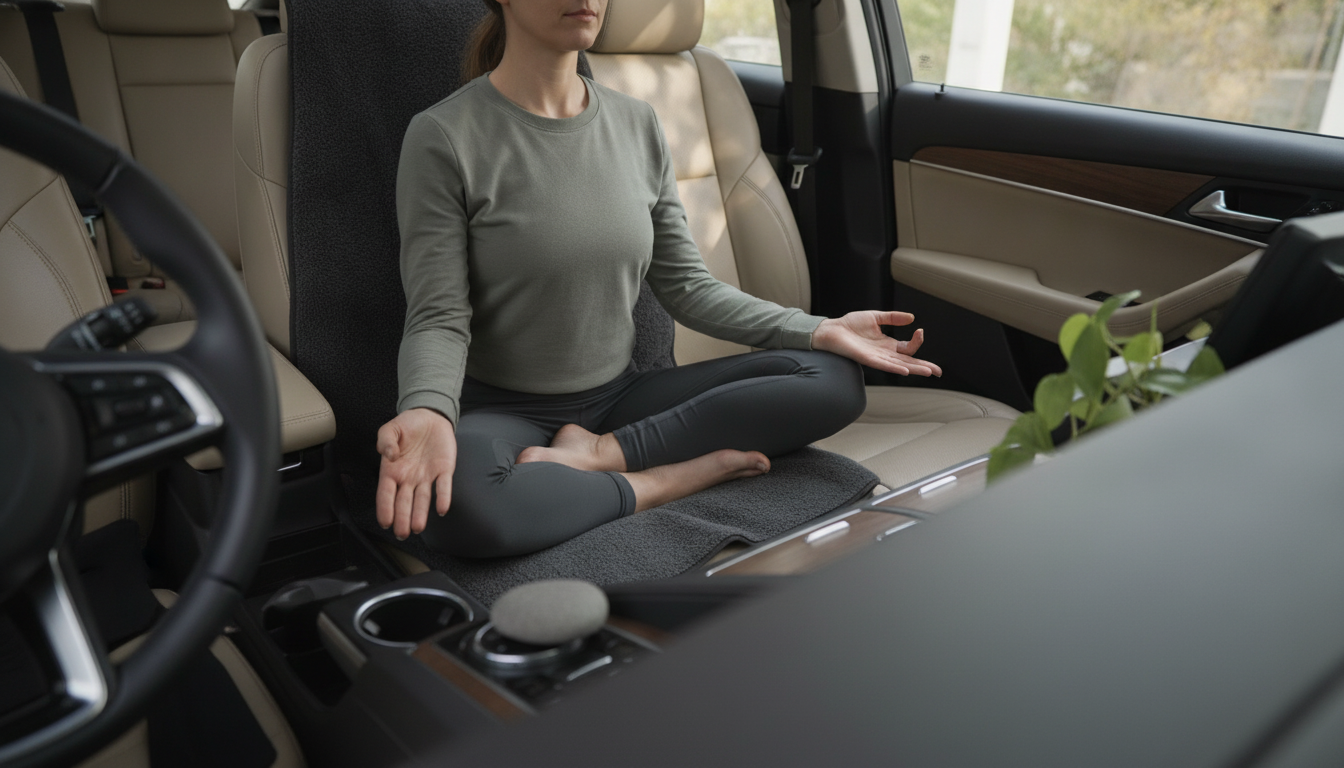
Which yoga poses are grounding?
Grounding yoga poses are postures that help you feel steady, safe, and connected to the present moment. They typically emphasize slow breathing, strong contact with the floor (feet, shins, hips, or hands), and simple shapes you can hold long enough for your nervous system to settle. Many grounding poses are done close to the mat or with wide, stable stances that encourage a “rooted” sensation.
Common grounding yoga poses to try
Mountain Pose (Tadasana) builds awareness through the feet and legs while aligning the spine—ideal when you feel scattered. Child’s Pose (Balasana) offers full-body support and a gentle inward focus, making it a go-to for calming the mind. Standing Forward Fold (Uttanasana) can feel settling by letting the head relax and encouraging slow exhales.
For a stronger “earth” feeling, Warrior II (Virabhadrasana II) and Goddess Pose (Utkata Konasana) use wide stances that help you feel stable and anchored. Close-to-the-floor options like Staff Pose (Dandasana) and Seated Forward Fold (Paschimottanasana) promote stillness while keeping attention on breath and body sensations. To finish, Legs Up the Wall (Viparita Karani) is deeply regulating without requiring much effort.
How to make any pose more grounding
Prioritize longer exhales, soften your gaze, and press down through your points of contact (heels, toes, shins, palms, or sitting bones). Choose shapes you can hold with steady breathing rather than pushing for intensity. If balance is challenging, use a wall, blocks, or a chair so your body can relax into support.
For a printable checklist and a more complete sequence, see the full guide here: grounding yoga poses checklist for calm and focus.
For Grounding Yoga Poses: 9 Steady, Calming Postures, the best answer depends on fit, material, care instructions, and how the product will be used day to day.
FAQ
What are some grounding breathing techniques to pair with yoga?
Try slow nasal breathing with an extended exhale (for example, inhale for 4 and exhale for 6). Box breathing (4-4-4-4) can also help you feel centered while holding simple poses.















Leave a comment
You must be logged in to post a comment.