Heavy Crepe Fabric Explained: Feel, Drape, Uses

What is heavy crepe material?
Heavy crepe is a thicker, more substantial version of crepe fabric, known for its gently pebbled, slightly crinkled surface and fluid-yet-structured drape. Unlike lightweight crepes that feel airy and delicate, heavy crepe has more body, which helps it skim the figure cleanly and hold tailored shapes without looking stiff.
Crepe can be made from different fibers, including silk, polyester, viscose, acetate, or blends. When the fabric is labeled “heavy,” it usually refers to a higher weight per yard and a denser weave or knit. The result is a material that feels smoother and more refined against the skin, with less transparency and a more polished fall.
How does heavy crepe feel and look?
Heavy crepe typically feels supple but grounded—soft enough to move with you, yet substantial enough to resist clinging. Visually, it has a muted luster (especially in silk crepe), a crisp-looking drape, and a texture that subtly diffuses light, making it flattering and forgiving in tailored pieces.
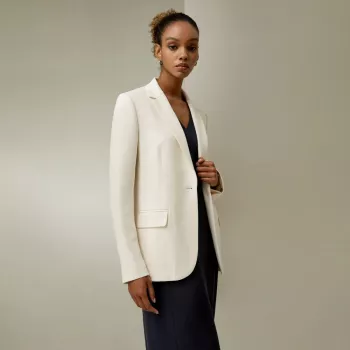
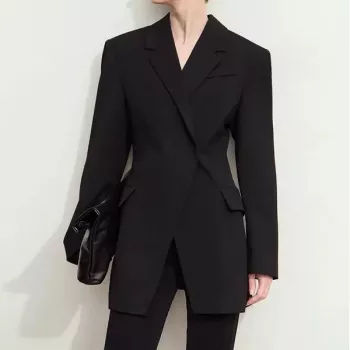
Because of its weight, heavy crepe often hangs straight and clean, which is why it’s common in blazers, trousers, midi dresses, and skirts designed to look sleek from morning through evening.
Why choose heavy crepe for garments?
Heavy crepe is valued for structure and longevity. It tends to wrinkle less than many lighter fabrics, and its texture can help conceal minor creases. It also layers well—lined or half-lined—without turning bulky, making it a strong choice for transitional weather and elevated everyday wear.
For a closer look at how heavy silk crepe performs in a tailored piece, see the detailed guide here: https://luxifyo.com/guide-heavy-silk-crepe-blazer-cinched-waist-half-lined/.
For Heavy Crepe Fabric Explained: Feel, Drape, Uses, the best answer depends on fit, material, care instructions, and how the product will be used day to day.
FAQ
Is heavy crepe good for summer?
It can be, especially in sleeveless or relaxed silhouettes, but it’s generally better for mild temperatures because the added weight holds warmth more than lightweight crepe.












Leave a comment
You must be logged in to post a comment.