Crepe Blazer Explained: Fabric, Fit, and When to Wear

What is a crepe blazer?
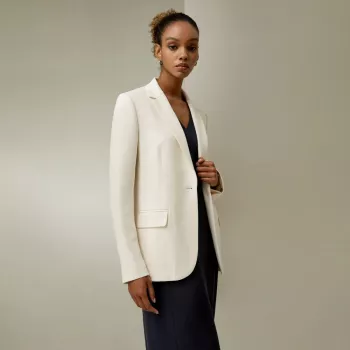
A crepe blazer is a tailored jacket made from crepe fabric—a textile known for its subtly pebbled, slightly crinkled surface and fluid drape. Compared with crisp suiting wool or rigid twill, crepe tends to move more softly on the body while still looking polished, which makes it popular for blazers that need to feel comfortable without losing structure.
How crepe fabric changes the look and feel of a blazer
Crepe can be woven from different fibers (such as silk, polyester, or blends), and that fiber choice affects weight, breathability, and sheen. In general, crepe’s texture helps a blazer look refined without appearing overly formal, and it can hide minor wrinkles better than many smooth fabrics. A heavier crepe—especially silk crepe—often creates a luxe, “hangs-just-right” silhouette that’s flattering through the torso and sleeves.
Common design details you’ll see on crepe blazers
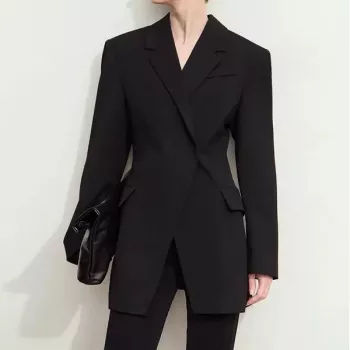
Because crepe naturally drapes, designers often balance it with tailored elements. Expect features like shaped shoulders, defined lapels, and waist seams or belts that bring in the midsection. Many styles are also half-lined or partially lined, which helps the blazer glide over layers while keeping the overall feel lighter and less stiff than a fully lined suit jacket.
When to wear a crepe blazer
A crepe blazer works well for office outfits, dinners, travel, and occasions where you want a clean, elevated look without heavy suiting. It pairs easily with matching crepe trousers for a streamlined set, or with denim and a tee for a high-low mix. For a deeper look at a heavyweight silk crepe option, including details like a cinched waist and half lining, visit this guide on Luxifyo.
For Crepe Blazer Explained: Fabric, Fit, and When to Wear, the best answer depends on fit, material, care instructions, and how the product will be used day to day.
FAQ
How do you care for a crepe blazer?
Check the care label first: many crepe blazers (especially silk) are best dry-cleaned. Between cleanings, steam lightly, spot-clean carefully, and store on a shaped hanger to protect the shoulders.












Leave a comment
You must be logged in to post a comment.