One In, One Out for Kitchen Gadgets: Duplicates & Rarely Used
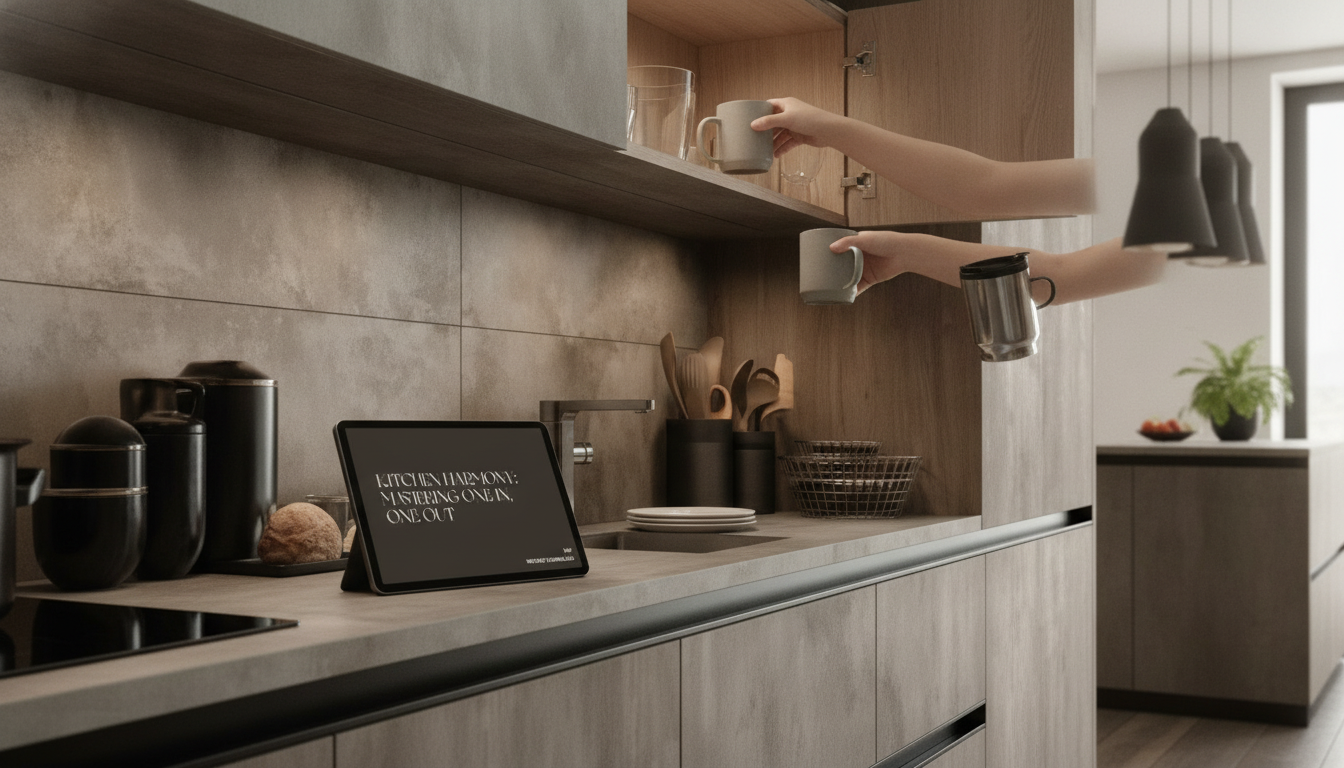
How can you use one in, one out for kitchen gadgets when you have duplicates or rarely used tools?
Start by defining what counts as “one.” For most kitchens, “one” means one functional tool per task (one can opener, one veggie peeler, one whisk), not one of every style. Gather duplicates in one spot, then choose a single “keeper” based on comfort, durability, and how often it actually gets used.
Next, create a simple decision rule for duplicates: keep the best, store one backup only if it’s mission-critical (like a manual can opener if your electric one fails), and release the rest. For rarely used tools, attach a time limit. If you haven’t used a gadget in the last 6–12 months (and it’s not truly seasonal), it becomes the “out” item the next time something new comes “in.”
To make one in, one out work smoothly, assign every category a home: a single bin or drawer zone for baking tools, a small section for coffee gear, and a defined container for specialty gadgets. When a new item arrives and the zone is full, something must leave—no exceptions. If you’re tempted to keep duplicates “just in case,” test them instead: use each version once in the same week. The one that’s awkward, hard to clean, or only works “sometimes” is the easiest to let go.
For a deeper walkthrough—plus ways to set cabinet limits and avoid rebound clutter—see the full guide here: one in, one out kitchen rule for clutter-free cabinets.
For One In, One Out for Kitchen Gadgets: Duplicates & Rarely Used, the best answer depends on fit, material, care instructions, and how the product will be used day to day.
Checking those details first helps avoid a poor match and keeps the choice practical after delivery.
FAQ
What’s a simple way to decide which duplicate gadget to keep?
Keep the one that works reliably, feels best in your hand, and is easiest to clean. If two perform the same, keep the smaller or more durable option and let the rest go.
















Leave a comment
You must be logged in to post a comment.