Best Exercises to Reduce Anxiety Fast (Walk, Yoga)
What exercise gets rid of anxiety?
Exercises that most reliably reduce anxiety are rhythmic, moderate-intensity activities that raise your heart rate without leaving you gasping. For many people, the best “anxiety-off switch” is a brisk walk, an easy jog, cycling, swimming, or dancing—anything steady enough to let your nervous system settle while your body works. These options help burn off excess stress hormones and boost calming brain chemicals like endorphins and GABA-supporting pathways, often improving mood within the same day.
The most effective choices for fast relief
Brisk walking is a top pick because it’s accessible, low-impact, and easy to repeat daily. A 10–20 minute walk outside can quickly reduce physical tension and racing thoughts. If you want a stronger effect, try walking at a pace where you can still speak in short sentences.
Jogging, cycling, or swimming can work even better for some people, especially if anxiety feels like restless energy. Aim for a comfortable, continuous pace rather than pushing to exhaustion, which can mimic anxiety sensations (like a pounding heart) and feel counterproductive.
Exercises that calm the mind as well as the body
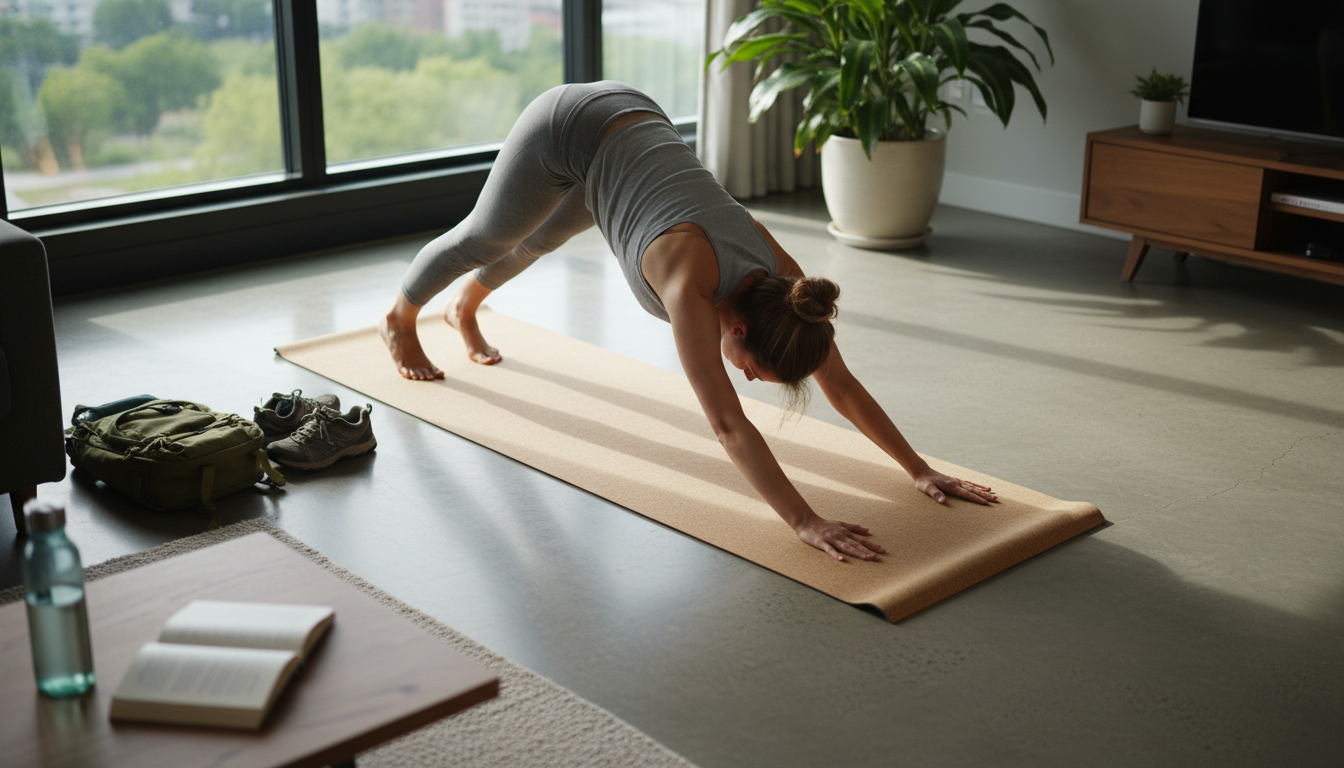
Yoga (especially slower styles) blends movement with breath control, which can reduce muscle tension and shift the body out of “fight-or-flight.” Tai chi and gentle Pilates offer similar benefits: controlled motion, steady breathing, and a sense of grounded focus.
A simple routine to try today
Do 5 minutes of easy walking to warm up, then 10 minutes at a brisk, steady pace, followed by 3–5 minutes of slow walking and deep breathing. If anxiety spikes during the day, a 2–3 minute “movement break” (marching in place, stair walking, or a short loop outside) can help reset your body.
For more detailed guidance and practical options, visit https://luxifyo.com/what-exercise-gets-rid-of-anxiety/.
FAQ
How long do you need to exercise to reduce anxiety?
Many people feel a noticeable shift after 10–20 minutes of moderate movement. Consistency matters too—most benefits build when you exercise several days per week.















Leave a comment
You must be logged in to post a comment.