Stretching for Anxiety & Stress: Does It Really Help?
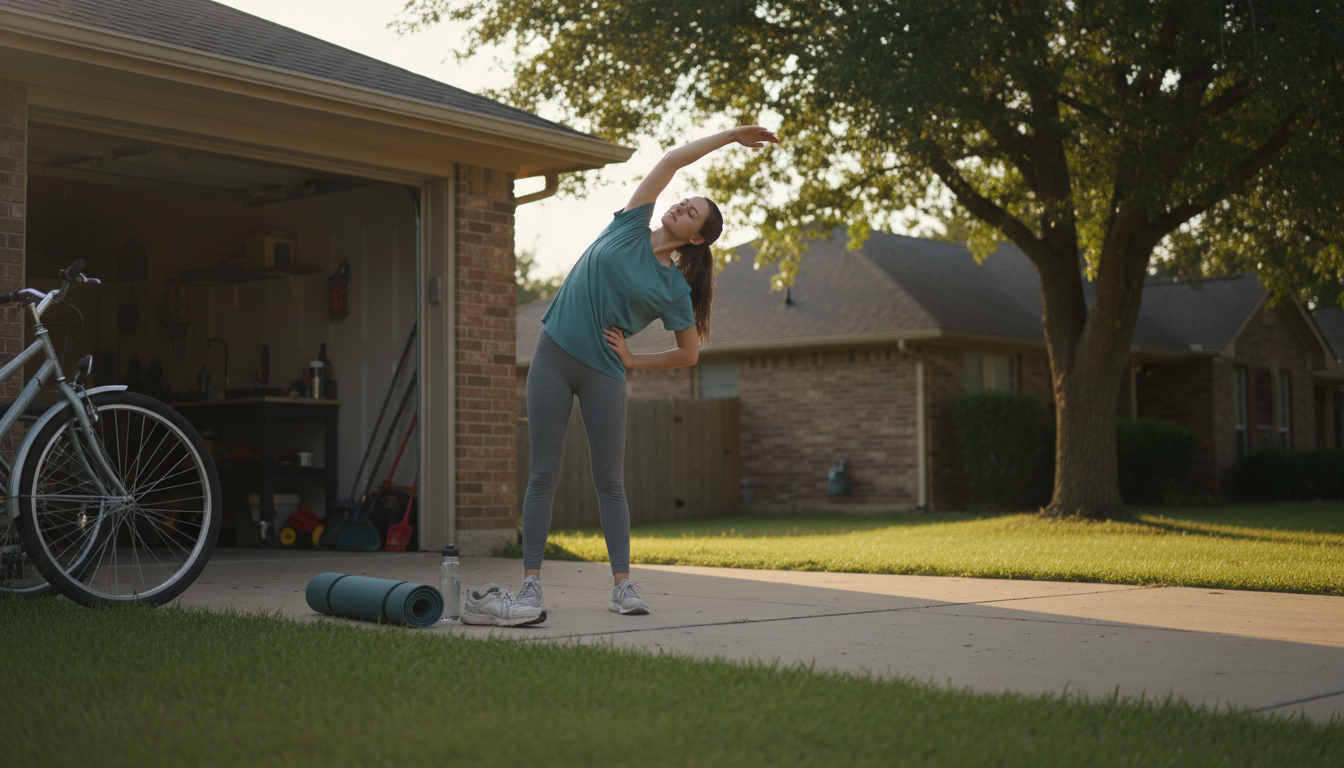
Does stretching help with anxiety and stress?
Yes—stretching can help with anxiety and stress for many people by calming the nervous system, easing muscle tension, and shifting attention away from racing thoughts and into physical sensations. When stress hits, the body often tightens (especially in the neck, shoulders, chest, hips, and jaw). Gentle stretching helps release that “braced” feeling and can make it easier to breathe deeply, which supports a more relaxed state.
Stretching also creates a structured pause in the day. That short break—paired with slow, steady breathing—can interrupt the stress cycle and bring your body back toward baseline. While it’s not a cure for anxiety, it can be a reliable, low-effort tool for stress management, especially when practiced consistently.
Why stretching can feel calming
Slow, controlled stretches encourage you to move deliberately and breathe more evenly. This combination may reduce physical symptoms of stress (like tight shoulders, headaches triggered by tension, or a clenched midsection) and promote a sense of grounding. Many people notice the biggest shift when they stretch areas that commonly hold stress, such as the upper back and hip flexors.
How to get the most stress relief from stretching
Keep it gentle. Aim for mild-to-moderate sensation, not pain. Hold stretches long enough to settle—about 20–45 seconds—while breathing slowly through the nose if possible. If you’re feeling anxious, choose supported positions (seated or lying down) to help your body feel safe and steady.
For a simple routine you can follow anytime, use this guided flow: 10–15 minute stretch flow for stress relief.
For Stretching for Anxiety & Stress: Does It Really Help?, the best answer depends on fit, material, care instructions, and how the product will be used day to day.
FAQ
What is the best time of day to stretch for stress relief?
Any time works, but many people find morning stretching reduces tension before the day starts, while evening stretching helps downshift before bed. The best time is the time you’ll actually do consistently.
















Leave a comment
You must be logged in to post a comment.