10–15 Minute Stretch Flow for Stress Relief (Daily Reset)
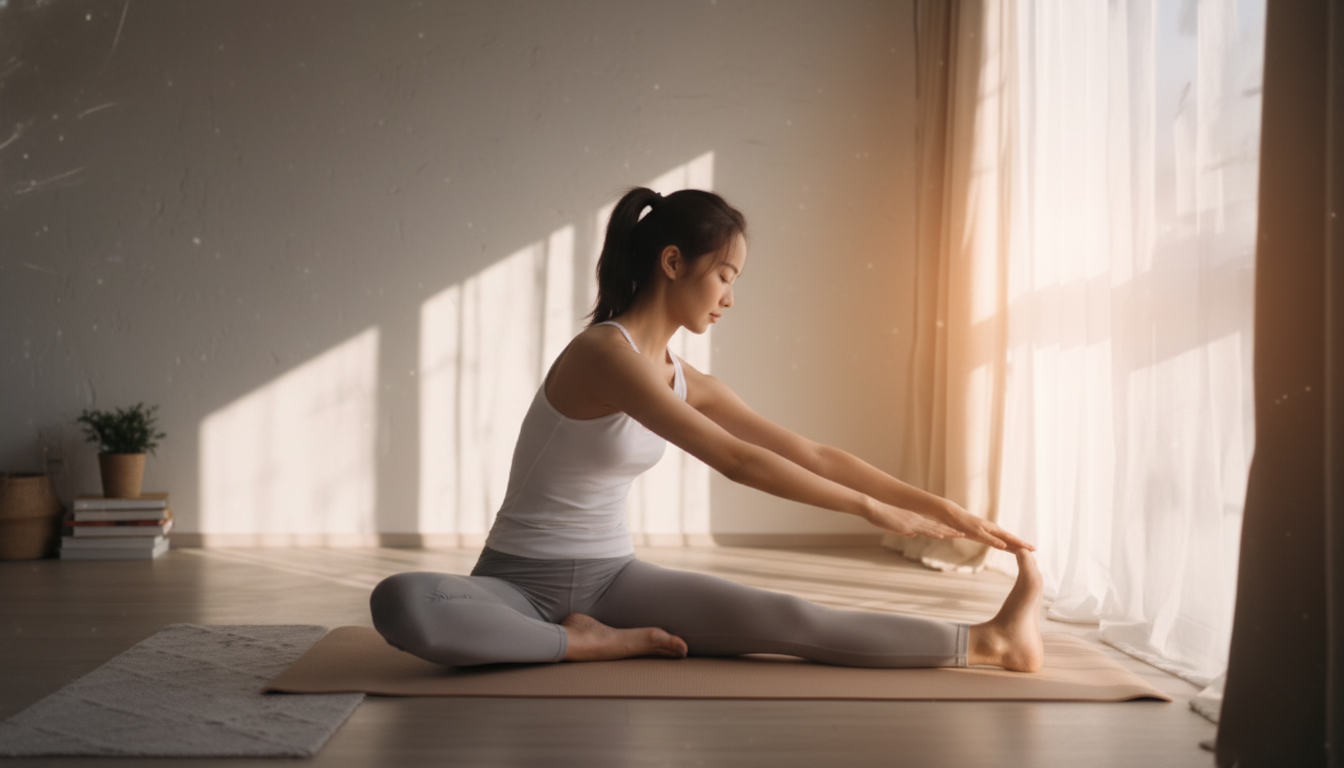
Stress-Soothing Stretch Flow Routine: Your Ultimate Guide for Stress Relief Through Stretching
Tension often settles in the neck, shoulders, hips, and low back—especially after long hours of sitting, scrolling, or stress-filled days. A gentle stretch flow can help downshift the nervous system, ease tight muscles, and create a steady rhythm of breathing that feels grounding. This guide offers a simple, repeatable routine that fits into real life—morning, mid-day reset, or pre-bed wind-down.
Why a stretch flow calms the body and mind
When stress runs high, the body often shifts into “braced” mode: shallow breathing, clenched jaw, lifted shoulders, and stiff hips. A slow stretch flow helps interrupt that pattern by bringing attention back to physical sensation and breath.
- Slower movement paired with steady breathing supports relaxation by shifting attention away from rumination and toward body sensations.
- Stretching can reduce perceived muscle tightness that often accompanies stress (jaw, upper traps, hip flexors).
- Gentle mobility work encourages circulation and can improve comfort after prolonged sitting.
- A consistent routine builds a reliable cue for winding down, especially when practiced at the same time each day.
For more background on how relaxation practices support health, the National Center for Complementary and Integrative Health (NCCIH) and Harvard Health Publishing both describe how breath-led techniques can help settle the stress response.
Before starting: set the tone in 60 seconds
Think of this as “setting the volume” for the whole session. The goal isn’t a deep stretch—it’s a safer, quieter internal pace.
- Choose a quiet spot with enough room to extend arms and legs; a mat or soft rug helps.
- Use nasal breathing if comfortable; aim for longer exhales (for example, inhale 4 seconds, exhale 6 seconds).
- Keep intensity at a 3–5 out of 10: mild-to-moderate stretch sensation without sharp pain or forced range.
- If dizziness, numbness, or sharp pain appears, stop and switch to a smaller range or a supported position.
The stress-soothing stretch flow (10–15 minutes)
Move slowly enough that your breath can lead. If you’re unsure how long to hold a position, use 3–5 calm breaths as a baseline.
1) Breath reset (1 minute)
Lie on your back or sit tall. Place one hand on your belly and one on your chest. Breathe slowly and let your shoulders feel heavy.
2) Neck and shoulder release (2 minutes)
Seated ear-to-shoulder stretch for 30–45 seconds each side. Follow with easy shoulder rolls and gentle chin tucks (small range, no strain).
3) Cat–cow (1–2 minutes)
From hands and knees, move with the breath: inhale as the chest opens, exhale as the spine rounds. Keep it smooth rather than extreme.
4) Thread-the-needle (1–2 minutes)
From tabletop, slide one arm under the other and rest on your shoulder/head. Breathe into the upper back and switch sides.
5) Low lunge hip flexor opener (2 minutes)
Step one foot forward. Tuck the pelvis slightly (think “zip up the low ribs”) and lift through the torso. Reach arms overhead or keep hands on the front thigh. Switch sides.
6) Standing forward fold with soft knees (1–2 minutes)
Let your head and arms hang. Keep knees bent, sway gently side to side, and avoid locking the legs.
7) Figure-four stretch (2 minutes)
On your back, cross one ankle over the opposite knee and draw legs in until you feel a glute/hip stretch. Switch sides.
8) Supported twist (1–2 minutes)
On your back with knees bent, drop knees to one side with arms wide. Keep it easy; switch sides after several slow breaths.
9) Finish: legs-up-the-wall or constructive rest (2 minutes)
Choose the most comfortable option. Prioritize long, easy exhales and a relaxed jaw.
Quick routine map (choose 5, 10, or 15 minutes)
| Time | Focus | Moves | Breath cue |
|---|---|---|---|
| 5 min | Downshift fast | Breath reset, forward fold, supported twist | Exhale longer than inhale |
| 10 min | Full-body reset | Breath reset, cat–cow, low lunge, figure-four, supported twist | Match movement to breath |
| 15 min | Deep unwind | Add thread-the-needle and legs-up-the-wall to the 10-min flow | Pause 1–2 breaths at end-range |
Common tension zones and simple modifications
Make it a daily habit without adding pressure
When to be cautious
For a clear overview of how stress can show up physically, the American Psychological Association breaks down common body effects and why calming practices can be supportive.
A guided option for structure and consistency
If you want a simple, follow-along plan that removes decision fatigue, use Stress-Soothing Stretch Flow Routine: Your Ultimate Guide for Stress Relief Through Stretching. It’s designed to keep pacing calm and movements straightforward—ideal for busy days when you just want to press play and breathe.
To reinforce the body’s “safe to rest” signal at night, pair your stretch flow with Your Ultimate Sleep-Boosting Checklist to Sleep Smart as a quick wind-down sequence you can repeat without overthinking.
If social stress is a big driver of physical tension, a structured confidence practice can complement body-based relaxation. Consider Social Confidence in Any Situation to build steadier communication habits that can reduce anticipatory stress over time.
FAQ
Which yoga is best for stress relief?
Gentle styles like restorative yoga, yin yoga, and slower Hatha-based flows tend to work well because they emphasize supported poses, longer holds, and breath-led pacing. The best choice is the one that feels safe, comfortable, and easy to practice consistently.
Does stretching help with anxiety and stress?
Gentle stretching combined with slow breathing can reduce perceived muscle tension, improve body awareness, and create a calmer rhythm that supports relaxation. It’s a helpful tool alongside other supports, and it tends to work best when practiced regularly.














Leave a comment
You must be logged in to post a comment.