State Sport Confidence Inventory (SSCI): What It Measures
What is the state sport confidence inventory?
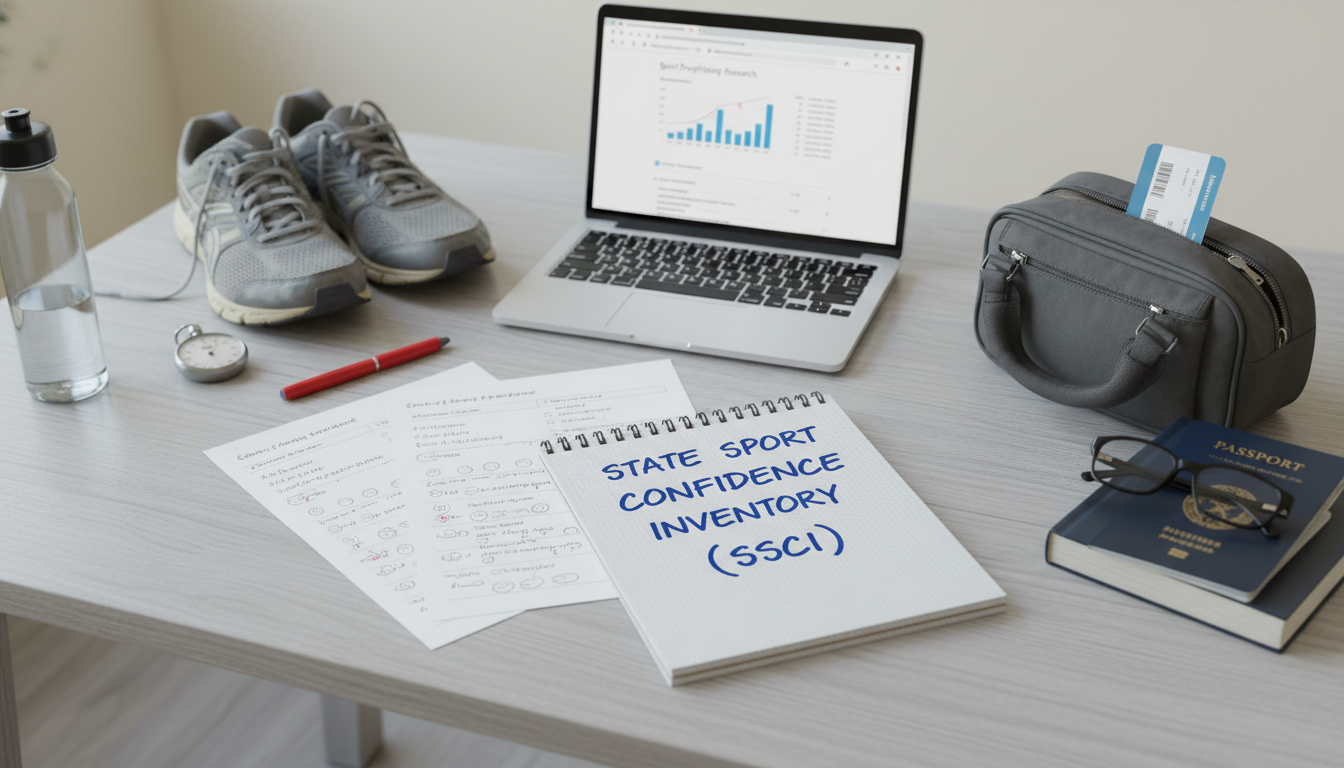
The State Sport Confidence Inventory (SSCI) is a short sport-psychology questionnaire designed to measure how confident an athlete feels right now, in a specific moment or competition setting. “State” matters: instead of describing your usual, day-to-day confidence, it captures the confidence you experience at a particular time (like pregame warmups, just before a routine, or between sets).
Most versions ask athletes to rate statements on a scale (often 1–9) reflecting how certain they feel about performing well, handling pressure, staying focused, and executing skills. Coaches, sport psychology consultants, and athletes use the results to spot patterns—such as confidence dropping after mistakes, rising with specific pre-performance routines, or changing based on opponent strength or venue.
How the SSCI is used in training and competition
The SSCI is commonly used as a check-in tool before or during key performance windows. For example, athletes might complete it:
- Before practices vs. before games to compare confidence shifts
- Right before a start, serve, kickoff, or first attempt to gauge readiness
- After a performance to see whether confidence tracked with results
Because it’s quick, the SSCI can be repeated over time to build a confidence “trend line.” That makes it easier to connect confidence with controllable habits like sleep, self-talk, breathing, visualization, and warmup structure.
What the SSCI can (and can’t) tell you
The SSCI can highlight your current confidence level and identify moments when confidence reliably dips. It can’t diagnose the cause on its own, and it isn’t a guarantee of performance. The most useful approach is pairing the score with notes about what happened that day (routine, mindset, physical readiness, and situational pressure).
If your goal is to strengthen game-day confidence, connect the dots between what raises your SSCI scores and what you do consistently. For practical ways to build repeatable confidence, see this guide to sports confidence routines.
FAQ
How do athletes build confidence before a game?
Many athletes rely on consistent pre-performance routines, clear process goals, and controlled breathing or self-talk to feel ready. The key is repeating the same cues and actions so confidence becomes more automatic under pressure.
















Leave a comment
You must be logged in to post a comment.