160 PSI Mini Bike Pump with Gauge for Road & MTB
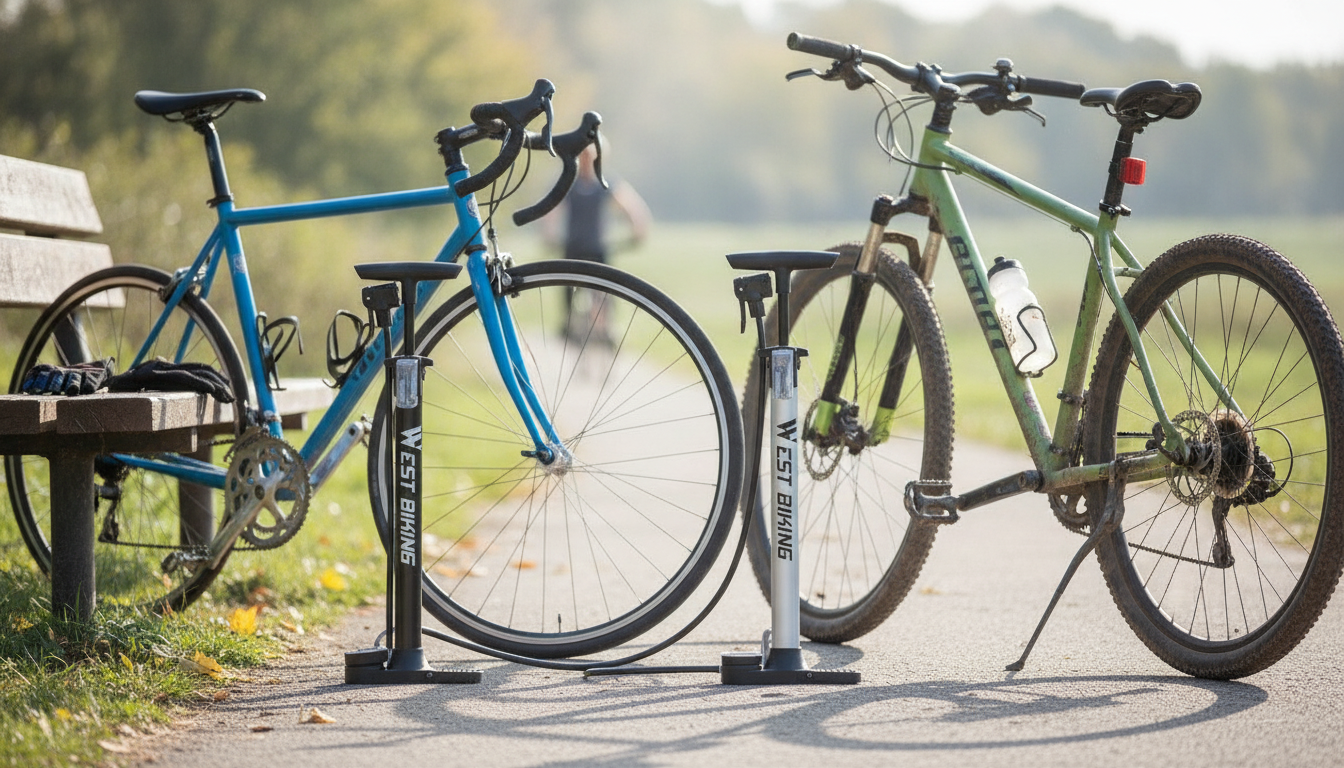
Portable 160 PSI Bike Pump with Gauge for Road & Mountain Bikes
A compact pump with a built-in pressure gauge makes it easier to hit the right PSI for speed, comfort, and puncture resistance—whether riding narrow road tires or wider mountain tires. A 160 PSI portable pump is designed to be small enough for a bag or frame mount, yet capable enough to get you rolling again after a flat and help you fine-tune tire pressure when conditions change. For more guidance, see Group test: Choose the best portable cycle pumps.
Why a gauge matters on a portable pump
When tire pressure is off by even a small margin, handling and comfort can change dramatically. A built-in gauge turns a “best guess” into a repeatable routine. For further reading, see Portable Mini Bicycle Pump Aluminium 120 PSI – High Pressure Bike ….
- Avoids underinflation, which can feel sluggish and increase the risk of pinch flats (especially with tubes).
- Prevents overinflation, which can create a harsh ride, reduce traction, and make the bike feel skittish on rough surfaces.
- Saves time versus the squeeze-test—particularly on road tires where high pressure is hard to judge by hand.
- Makes swaps easier when moving between road, gravel, and MTB setups where optimal PSI changes a lot.
Pressure basics for road and mountain tires
Road tires typically run higher PSI for efficiency, while mountain tires run lower PSI for grip and compliance. The “right” number depends on rider weight, tire width, terrain, and whether you’re running tubes or tubeless.
- Use the tire sidewall limits (minimum/maximum) as a safety boundary, then fine-tune within that range.
- Wider tires often like lower pressure than older rules of thumb—especially modern road tires in the 28–32 mm range.
- Tubeless can often run lower than tubes, but the best PSI still depends on rim/tire support and how aggressively you ride.
- Terrain matters: rougher surfaces usually reward slightly lower PSI for control and comfort.
Typical pressure ranges by bike style (general guidance)
| Bike style | Common tire width | Typical PSI range | Notes |
|---|---|---|---|
| Road | 23–32 mm | 70–110 | Higher PSI for efficiency; wider road tires often perform well at lower PSI than older norms. |
| Gravel / all-road | 35–50 mm | 35–70 | Balance traction and rolling resistance; adjust for surface roughness. |
| Mountain (XC) | 2.1–2.4 in | 18–30 | Lower PSI for grip; higher PSI reduces squirm on hardpack. |
| Mountain (trail/enduro) | 2.3–2.6 in | 16–28 | Tune for cornering support and rim protection; tubeless often lower. |
| Commuter/hybrid | 32–45 mm | 45–75 | A moderate range for comfort and durability. |
For more personalized starting points, pressure calculators and guides can help narrow the range before you fine-tune by feel. Helpful references include Silca’s Tire Pressure Calculator and SRAM/Zipp’s Tire Pressure Guide.
What a 160 PSI portable pump is good at
A 160 PSI max rating is primarily about having enough headroom for road tires. Even if your normal road pressure is below 100 PSI, extra capacity helps when you’re trying to finish the job quickly and the last few strokes get harder.
- High-pressure capability supports road tires that need higher PSI—ideal for getting back on the road after a flat.
- Versatile backup for mixed riding (road + gravel + MTB) where you may run very different pressures across bikes.
- Best for topping up and roadside inflation; for frequent at-home use, a floor pump is still faster and easier.
- Gauge-driven stopping point helps you quit pumping at the target PSI instead of overshooting during a rushed repair.
Valve compatibility and fit: Presta and Schrader
Before buying any pump, confirm that the pump head supports the valves you use. Most road bikes (and many MTBs) use Presta; many commuter bikes, kids’ bikes, and some MTBs use Schrader.
How to use a portable pump with gauge efficiently
Pressure accuracy: what to expect from compact gauges
Portable pump care and on-ride storage
- Keep it clean and dry; grit can wear seals and reduce efficiency.
- Check the head and O-rings if you notice leakage—often a quick re-seat fixes minor issues.
- Store securely in a frame mount, jersey pocket, or saddle bag to avoid rattling damage.
- Build a complete kit with a spare tube/patch kit and a small multitool. For flat-repair guidance, see Park Tool’s tire and tube removal/install walkthrough.
A solid option for mixed road and mountain riding
Product at a glance
| Item | Details |
|---|---|
| Name | Portable 160PSI Bike Pump with Gauge for Road & Mountain Bikes |
| Use case | Road, mountain, gravel, commuting |
| Key feature | Built-in pressure gauge |
| Max pressure | 160 PSI |
| Availability | In stock |
More in-stock picks
- The Insider’s Guide to Adidas Limited Releases: Master the adidas Limited Release Logic for Sneaker Success
- Less Is Luxe: The Minimal Fashion Guide – Ultimate eBook for Timeless, Effortless Style
FAQ
What PSI should road and mountain bike tires be inflated to?
Road tires commonly land around 70–110 PSI, while mountain bike tires are often around 16–30 PSI depending on tire size and terrain. Use the tire sidewall limits as boundaries, then adjust based on tire width, rider weight, and whether you run tubes or tubeless.
Are built-in pump gauges accurate enough?
They’re typically accurate enough for consistent, repeatable inflation, which is what matters most for dialing ride feel. For precision, compare it occasionally to a trusted gauge and remember temperature swings can change PSI noticeably.
Will one pump work for both Presta and Schrader valves?
Many portable pumps are dual-compatible, but it depends on the pump head design—confirm before buying. For Presta, open the valve tip before attaching; for Schrader, ensure the head seals straight and snug to prevent leaks.













Leave a comment
You must be logged in to post a comment.