Budget Grocery Shopping Checklist: Save Money Weekly
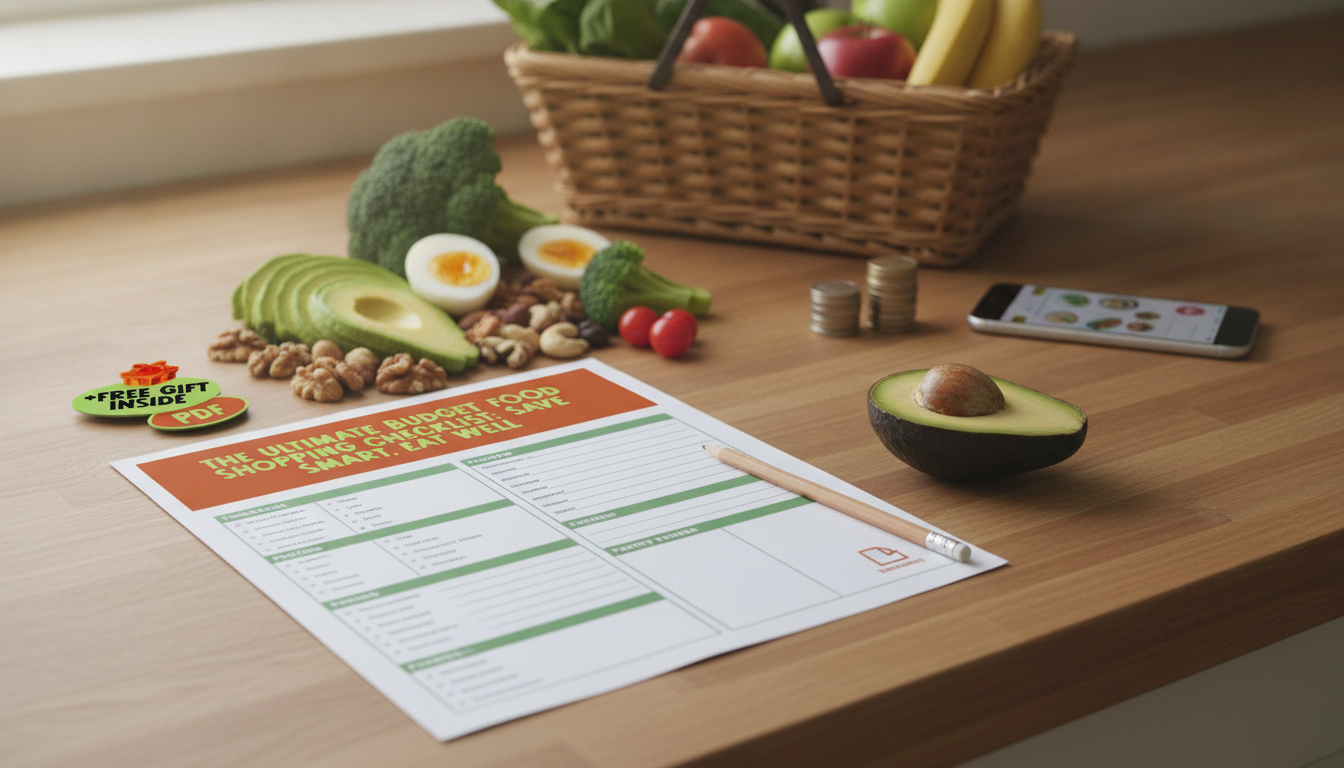
The Ultimate Budget Food Shopping Checklist: Save Smart, Eat Well (Printable + Digital)
A budget-friendly grocery run starts before stepping into the store. When you turn meal ideas into a realistic plan, a tighter list, and smarter choices in the aisle, the cart stays full and the total stays controlled. Use the steps below to build a repeatable routine you can run every week—without sacrificing variety or nutrition.
Set the weekly plan in 10 minutes
Start with a tiny framework instead of trying to plan every bite. The goal is to create overlap so the same ingredients show up in multiple meals (and nothing gets forgotten in the back of the fridge).
- Pick 3–5 core dinners that share ingredients. Example: rice + beans used in bowls, burritos, and soup.
- Add 2 quick lunches and 2 simple breakfasts built around pantry staples like oats, eggs, frozen fruit, yogurt, and bread.
- Choose one “stretch” meal designed for leftovers (chili, curry, sheet-pan chicken and vegetables).
- Check your calendar for nights that need no-cook or ultra-fast options (rotisserie chicken, salads, sandwiches).
Fast meal-plan framework
| Meal slot | Default option | Budget tip |
|---|---|---|
| 2 dinners | Pantry-based (pasta, rice, beans) | Buy store brands; use one sauce across multiple meals |
| 2 dinners | Protein + veg (eggs, chicken thighs, tofu) | Choose the lowest-cost protein per serving |
| 1 dinner | Leftover-friendly pot meal | Double the batch; freeze half |
| Lunches | Repeatable (wraps, bowls, soup) | Use dinner leftovers to reduce separate lunch spending |
| Breakfasts | Oats/eggs/toast/yogurt | Build around the cheapest staple you’ll actually eat |
Do a 3-step pantry and fridge check
This is the fastest way to avoid duplicate buys and food waste—two of the biggest silent budget leaks.
- Scan what’s already available: grains, pasta, canned goods, spices, frozen vegetables, and any soon-to-expire items.
- List “use-first” foods (fresh produce, open dairy, deli items) and schedule them into the first half of the week.
- Set a realistic spending cap for this trip and keep it visible in your notes app or on your printed checklist.
For balanced meal ideas while you plan, the USDA’s MyPlate guidance can help you keep the mix of fruits, vegetables, grains, protein, and dairy in a simple rhythm.
Build a list that prevents impulse buys
A good list is less about writing “chicken” and more about removing decision points. The more specific you are, the less likely you’ll wander into expensive “maybe” items.
- Group by store layout: produce, protein, dairy, pantry, freezer, snacks, household.
- Write quantities: “apples (6)”, “chicken thighs (2.5 lb)”, “oats (1)”.
- Add one planned treat so you don’t end up with three unplanned add-ons at checkout.
- Use an “if on sale” swap list (berries OR bananas; ground turkey OR beans).
Quick-print mini list
| Section | Must-buy | Optional |
|---|---|---|
| Produce | Onions, carrots | Seasonal fruit |
| Protein | Eggs, beans | Chicken |
| Pantry | Rice, pasta | Snacks |
List structure that stays within budget
| List zone | What to write | Why it works |
|---|---|---|
| Need-to-have | Exact items + quantities | Reduces decision fatigue and drifting |
| Swap options | One-for-one alternatives | Keeps flexibility without overspending |
| Store staples | Top 5 basics you always use | Prevents extra trips and convenience buys |
| Treat line | One planned snack/dessert | Avoids multiple impulse picks |
Shop the store in a money-saving order
Once you’re in the store, your “order of operations” matters. A calm, structured loop helps you stick to your plan and compare prices quickly.
Common swaps that keep meals the same but lower the total
| Instead of | Try | Best for |
|---|---|---|
| Pre-cut produce | Whole produce + quick chop | Salads, stir-fries, snacks |
| Single-serve snacks | Bulk bag + portion at home | Lunchboxes, after-school snacks |
| Name-brand pantry items | Store brand | Pasta, oats, canned tomatoes, spices |
| Fresh out-of-season berries | Frozen berries | Smoothies, oats, yogurt bowls |
To keep food safe and reduce waste, use storage guidance like the USDA FoodKeeper App and the FDA’s food shopping and storage tips.
Make the checklist work as a printable or a digital routine
Weekly reset (5 minutes after the trip)
| Step | What to do | Result |
|---|---|---|
| Save the receipt total | Record the final spend | Clear baseline for next week |
| Mark best-value items | Star items that stretched multiple meals | Improves next list |
| Note waste points | Write what didn’t get eaten | Prevents repeat overspending |
| Update staples | Adjust pantry restock items | Fewer emergency store runs |
Printable guide option
- The Ultimate Budget Food Shopping Checklist: Save Smart, Eat Well | Printable Digital Guide to Food Shop on a Budget, Meal Plan & Grocery List (Printable + digital)
- The Solo Shopper’s Guide to Smart Grocery Budgeting | Digital Download for How to Budget Groceries for 1 | Meal Planning Guide for One (Great for smaller households and tighter portions)
What’s included at a glance
| Tool | Use it for | When it helps most |
|---|---|---|
| Budget food shopping checklist | Staying focused in-store | High-temptation aisles and quick trips |
| Meal plan layout | Matching meals to ingredients | Busy weeks with minimal time |
| Grocery list format | Organized shopping by category | Reducing forgotten items and repeat trips |
FAQ
How do you grocery shop on a budget without sacrificing nutrition?
Base meals on low-cost staples like beans, eggs, oats, rice, and frozen vegetables, then choose the cheapest protein per serving. Planning 3–5 dinners that share ingredients and using unit pricing helps keep variety without overspending.
What should a budget grocery list include every week?
Include staples (a grain, a protein, vegetables, and fruit), plus one or two sauces or seasonings that create different flavors. Add quantities and a small swap list, and plan one snack/treat item to prevent impulse extras.
Is a printable checklist better than using a phone?
Printable lists are great for fridge tracking and quick check-off in-store, while digital lists are easier to edit and reuse weekly. Many shoppers get the best results by planning digitally and shopping with a printed list.















Leave a comment
You must be logged in to post a comment.