Pet Sleep Reset: Calm Nights for Dogs & Cats
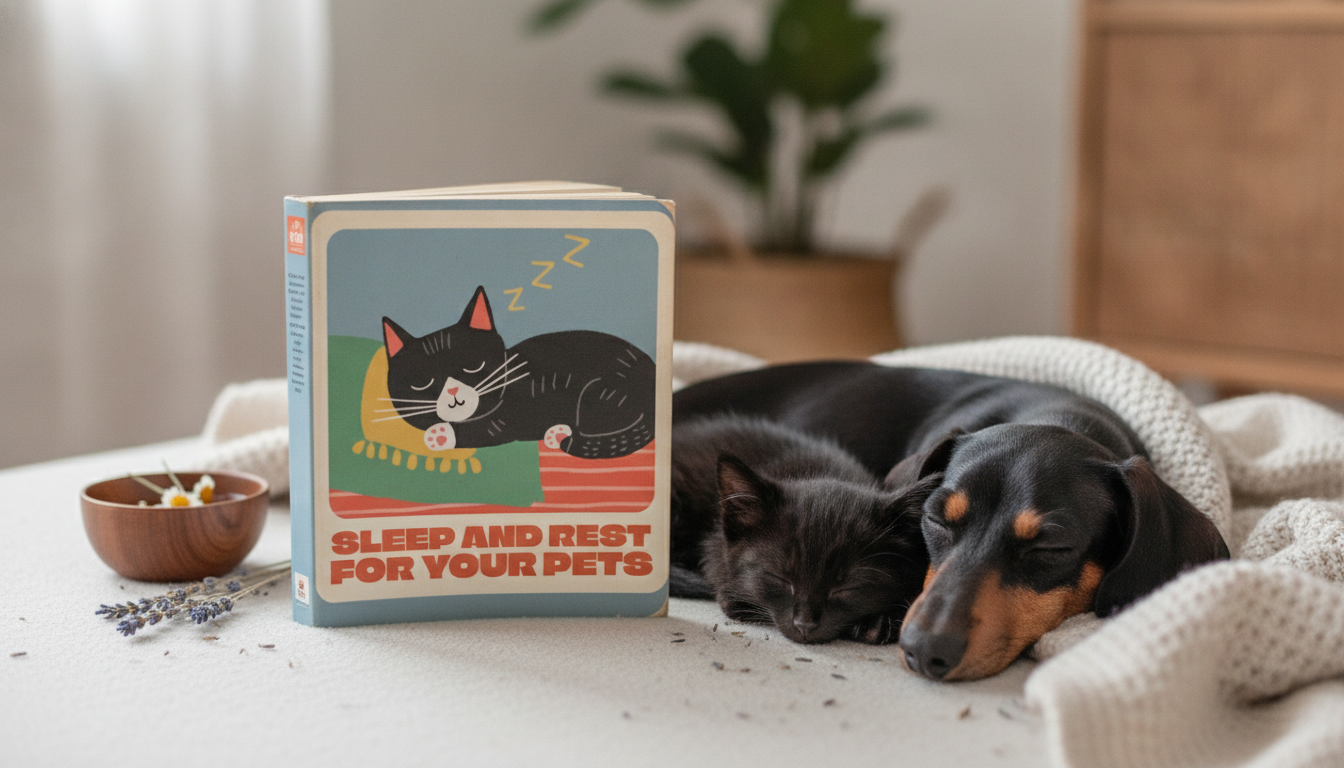
Paws and Pause: Helping Pets Sleep Better for Calm, Rested Days
Rest is a core pillar of pet wellness. When sleep is disrupted, pets may become restless, sensitive to noise, less playful, or harder to settle. The goal isn’t perfect “all night” sleep—brief wake-ups can be normal—but a pattern that supports recovery, stable mood, and steady daytime energy. Below is a practical guide to what healthy sleep can look like for dogs and cats, why nights get choppy, and simple routines that make rest feel safe and predictable.
What Healthy Sleep Looks Like for Dogs and Cats
Dogs and cats sleep in cycles, moving between lighter dozing and deeper sleep. A quick head lift, a reposition, or a short wander before returning to bed can be normal—especially in lighter stages of sleep. Age and life stage matter too: puppies, kittens, and many seniors nap more and may wake more often.
Instead of chasing a single “ideal” number of hours, focus on overall restfulness: your pet settles without a long struggle, sleeps with a relaxed posture, maintains a normal appetite, and shows consistent daytime energy. Breed tendencies, daily activity, and the home environment all influence timing and duration, so consistency and comfort usually matter more than the clock.
Sleep Needs by Life Stage
Sleep support looks different depending on your pet’s age and recent life changes. Young pets often need help avoiding overtired “zoomies.” Adults typically do best with predictable rhythms. Seniors may need comfort adjustments and closer monitoring for pain or nighttime confusion. Recent adoptees may sleep lightly at first while they learn household patterns and sounds.
Quick Sleep & Rest Checklist by Life Stage
| Life stage | Common challenges | Helpful supports |
|---|---|---|
| Puppy/Kitten | Overtired bursts, crate/room adjustment, nighttime crying | Short play/training blocks, calm wind-down, comfort object, scheduled potty/litter access |
| Adult | Inconsistent routine, noise/light disruption, separation stress | Consistent bedtime, enrichment earlier in day, white noise, comfy bed placement |
| Senior | Pain/stiffness, nighttime pacing, more frequent elimination | Orthopedic bedding, vet pain check, nightlight, earlier evening potty break |
Common Reasons Pets Struggle to Settle
Many sleep issues come down to a mismatch between your pet’s needs and the day’s pacing. Understimulation can leave pets restless, while too much late-day excitement can keep them wired. If your dog gets a “second wind” at 10 p.m., or your cat starts sprinting right as the house quiets down, the issue may be timing rather than total activity.
Environment matters as much as routine. Temperature swings, drafts, bright lights, and household noise can fragment sleep—especially for pets who startle easily. Diet timing can also play a role: late heavy meals, sudden food changes, or simple hunger can make it harder to settle. Try to keep feeding times and portions steady.
Stress and anxiety are common culprits when something changes: guests, a move, a new work schedule, or a new pet. Hypervigilance can look like frequent wake-ups, alert ears, or repeated trips to “check” the home. Medical factors should stay on your radar too. Itching, pain, gastrointestinal upset, cognitive changes in seniors, or urinary discomfort can interrupt sleep and deserve a veterinary check. For general pet health guidance, see resources from the American Veterinary Medical Association (AVMA) and the Merck Veterinary Manual (Pet Owner Information).
Building a Bedtime Routine That Signals Safety
A reliable routine helps the brain predict what happens next—especially for pets who startle at night or struggle to “turn off.” Pick a consistent wind-down window (about 15–45 minutes) and keep the mood calm: low lights, softer voices, and fewer surprises.
Use a simple sequence and repeat it daily: short calm play (or gentle affection if your pet prefers) → water check → final potty break for dogs or a clean, accessible litter box for cats → a settle cue → lights out. Early on, reinforce quiet settling with low-key rewards (a calm “good,” a tiny treat, or a gentle pet), then taper so your pet isn’t staying awake to “work” for more.
Creating a Sleep-Friendly Space
Daytime Habits That Improve Nighttime Sleep
When Night Waking Becomes a Red Flag
A Simple 7-Day Reset Plan
Digital Guide: Paws and Pause
If you want a structured, repeatable approach, Paws and Pause: A Guide to Sleep and Rest for Your Pets is a practical digital guide focused on sleep, relaxation, and everyday rest habits. It helps identify common disruptors, build routines that support calm behavior and recovery, and works best alongside veterinary advice when medical causes are suspected.
For a calmer household overall, these digital downloads may also help support steady routines and lower day-to-day stressors: The Solo Shopper’s Guide to Smart Grocery Budgeting (useful for planning consistent household shopping rhythms) and Less Is Luxe: The Minimal Fashion Guide (a decluttering mindset can make it easier to maintain a predictable, low-chaos home environment).
FAQ
How many hours should a dog or cat sleep each day?
Daily sleep varies widely by age, health, and individual temperament, with younger and older pets often sleeping more. Aim for easy settling, relaxed rest, and stable daytime energy rather than trying to hit one exact number.
Why does my pet wake up in the middle of the night?
Common causes include bathroom needs, noise or light changes, anxiety, hunger, or discomfort from itching or pain. If the pattern is sudden, persistent, or paired with other symptoms (pacing, panting, accidents, appetite changes), contact a veterinarian and bring a simple one-week sleep log.
What’s a good bedtime routine for an anxious pet?
Use a calm, repeatable wind-down: dim lights, final potty break or clean litter access, a quiet enrichment option, then a consistent settle cue and lights out. Keep responses boring during attention-seeking wake-ups, and get professional help if anxiety is severe or worsening.















Leave a comment
You must be logged in to post a comment.