Is $200 a Month Enough for Groceries? Realistic Guide
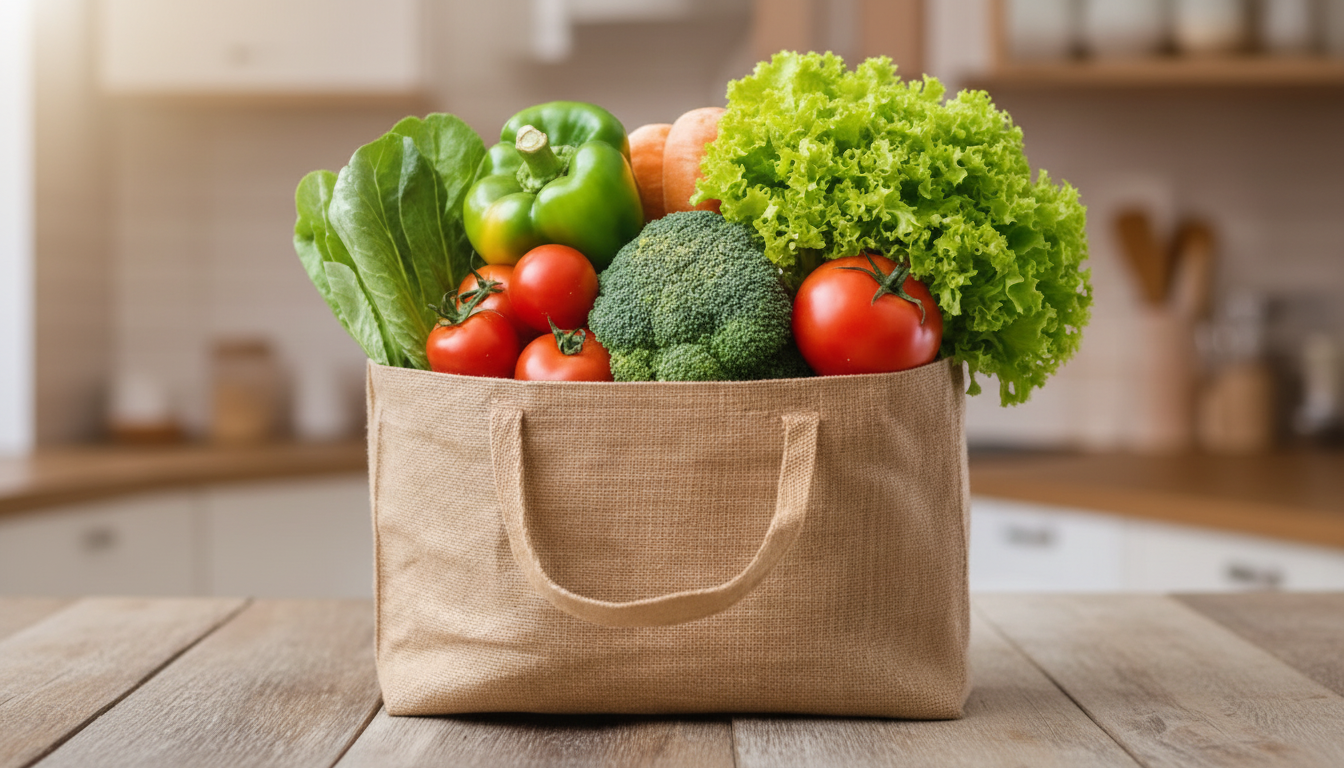
Is $200 a month a lot for groceries?
It depends on where you live, how you eat, and whether that $200 is strictly “groceries” (food cooked at home) or also includes household items like paper towels, soap, and pet food. For one adult in many U.S. areas, $200 a month can be a tight-but-possible grocery budget—especially if you cook most meals, shop sales, and keep food waste low. In higher-cost cities or for specialized diets, $200 may feel low.
When $200/month can be “a lot”
$200 may go further if you’re feeding one person, eating mostly budget-friendly staples (rice, pasta, beans, eggs, frozen vegetables), and limiting premium convenience foods. It can also feel generous if you already have a stocked pantry (spices, oils, sauces) and you rarely buy drinks, snacks, or dessert items.
When $200/month can be “not enough”
If you live in an expensive area, prefer fresh seafood and specialty items, or need gluten-free, dairy-free, or other specialty products, $200 can get used up quickly. It can also fall short if you shop at smaller convenience-oriented stores, rely heavily on pre-cut produce or prepared meals, or end up tossing unused ingredients.
How to tell if $200 is realistic for you
Track what you buy for 2–4 weeks and separate “food” from non-food essentials. Then compare that to how many meals you actually cooked at home versus ate out. If you’re close to $200 but running out of food at the end of the month, the fix is usually meal planning, fewer impulse buys, and buying ingredients that work across multiple meals.
For practical strategies to stretch a smaller budget without feeling deprived, see this guide to smart grocery budgeting.
FAQ
How can I lower my grocery bill without eating the same thing every day?
Build meals around flexible basics (grains, proteins, frozen veggies) and rotate sauces and seasonings. Plan 2–3 core dinners weekly, then remix leftovers into lunches, bowls, wraps, or soups.















Leave a comment
You must be logged in to post a comment.