Smart Grocery Budgeting for One: Spend Less, Waste Less
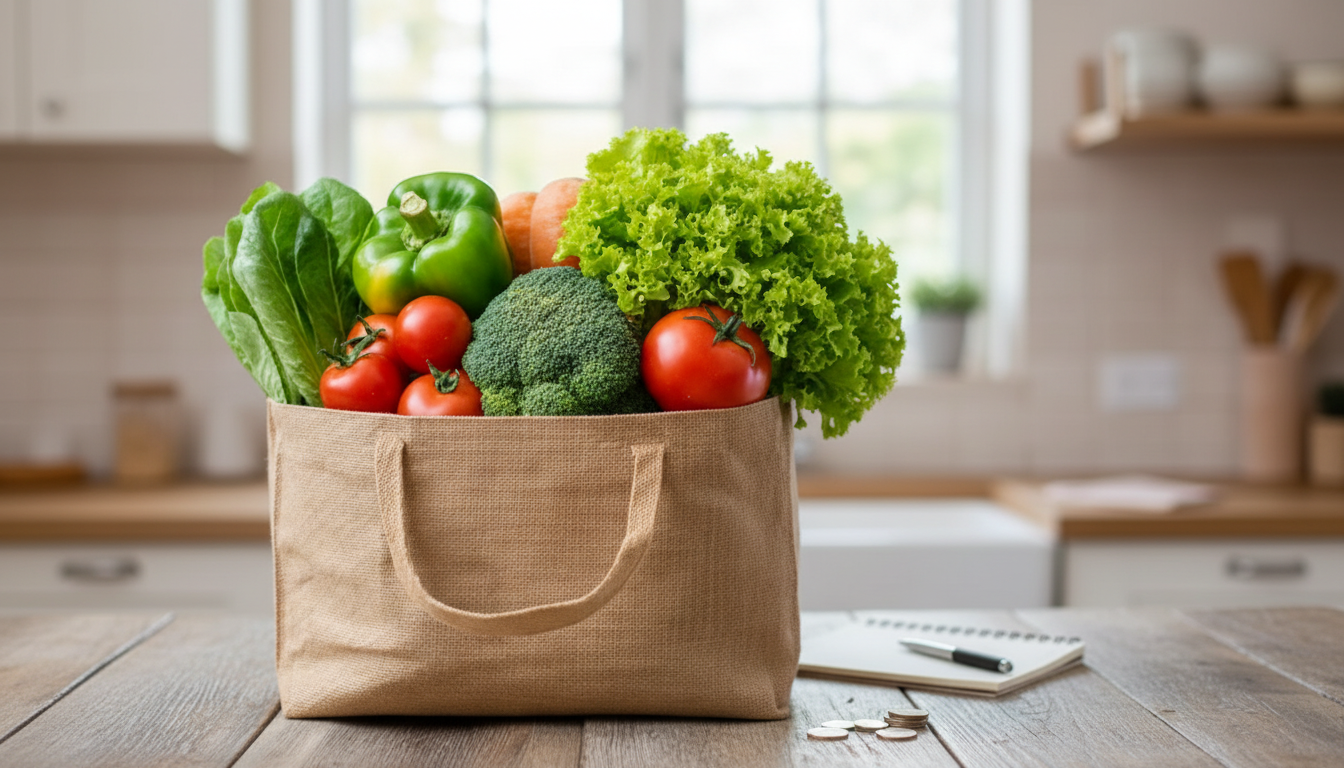
The Solo Shopper’s Guide to Smart Grocery Budgeting for One
Grocery shopping for one can feel oddly expensive: packs are sized for families, leftovers pile up, and impulse buys hit harder when there’s no one to split the cost. A smart solo budget focuses on repeatable systems—simple meal planning, a short pantry strategy, and a spending limit that adjusts with lifestyle and local prices.
Why grocery budgeting is different when shopping for one
Solo households often pay a higher cost-per-serving because many products are packaged for families. That doesn’t mean you can’t shop smart—it just means your system needs to account for portions, storage, and how quickly you can use ingredients.
- Packaging math is harsher: Larger sizes can be cheaper per ounce, but only if you actually finish them.
- Food waste is the hidden expense: forgotten produce, half-used sauces, and “specialty” items that never fit a second meal quietly inflate your cost per meal.
- Schedules shift fast: budgeting works better when meals can be frozen or repurposed without getting boring.
- The best solo plans balance three levers: unit price, portion control, and a few repeatable meal templates.
Set a realistic weekly number (and what to include)
Start with a weekly target instead of a monthly number. Weekly budgets make it easier to adjust after a busy work stretch, a travel week, or a higher-cost restock run.
- Include: groceries plus basic household items you buy at the grocery store (paper goods, dish soap) and staples that run out on a rolling basis (oil, spices).
- Exclude or track separately: restaurants, delivery, coffee shops, and alcohol if those aren’t part of your grocery plan.
- Use a two-tier limit: a “baseline” week for normal shopping and a “restock” week for pantry/freezer replenishment.
If you want a reality check against national benchmarks, the USDA Cost of Food Reports can help you compare a starting budget with typical food plan ranges, while the Bureau of Labor Statistics Consumer Expenditures data offers broader context on spending patterns.
Solo grocery budget ranges (typical starting points)
| Lifestyle level | Weekly range (USD) | Best fit for | Notes to keep it realistic |
|---|---|---|---|
| Tight | 35–55 | Mostly home-cooked, price-driven choices | Focus on store brands, frozen produce, and repeating 6–8 core ingredients |
| Moderate | 55–85 | Mix of fresh foods + convenience items | Add a few specialty items and better proteins while keeping waste low |
| Flexible | 85–120+ | Higher-protein, specialty diets, premium items | Budget improves most by planning portions and freezing extras |
A simple solo meal-planning method that protects the budget
The goal isn’t perfect meal prep—it’s having enough structure that you stop buying “maybe I’ll cook this” ingredients that expire before they earn their keep.
- Pick 2-2-2 for the week: two proteins, two vegetables, and two carbs. Mix and match to create 6–8 meals without needing a long list.
- Plan one cook-once, eat-twice recipe: chili, curry, stir-fry, or a sheet-pan dinner. Freeze 1–2 portions immediately so they don’t become “sometime later” leftovers.
- Use a bridge ingredient: rotisserie chicken, eggs, tortillas, rice, or yogurt can connect multiple meals and reduce one-off purchases.
- Schedule one low-effort meal: place it on your busiest day to prevent takeout from blowing the weekly number.
How to shop the store: a solo route that reduces impulse spending
Budget wins at the store are mostly about reducing decision fatigue. A short, plan-based list is your best defense against expensive “random cart” additions.
- Shop with 3–4 meal ideas: tie every purchase to a specific plan and skip “future fantasy” ingredients that don’t fit this week.
- Compare unit prices: this matters most for coffee, cereal, frozen foods, and pantry staples where package sizes vary widely.
- Use the freezer strategically: buy family packs only if you’ll portion, repackage, and label them the same day.
- Choose versatile produce: carrots, cabbage, onions, and apples stretch across meals; limit high-risk perishables unless you’ll use them within 48 hours.
- Keep one convenience item: bagged salad, microwave rice, or frozen veggies can protect your plan on low-energy days.
Waste-proofing: the fastest way to lower cost per meal
For safe storage basics (especially when freezing and reheating), follow the guidance from the FDA’s food storage and safety resources.
A practical digital guide to make the system repeatable
If you want a plug-and-play framework you can reuse each week, The Solo Shopper’s Guide to Smart Grocery Budgeting | Digital Download for How to Budget Groceries for 1 | Meal Planning Guide for One is built specifically for solo grocery routines: clear spending boundaries, simple meal templates, and a freezer-first mindset that reduces waste.
For anyone who likes budgeting systems in other parts of life, Fix It Before It Breaks: The Smart Homeowner’s Guide to Budgeting for Maintenance can complement your overall plan by making home expenses more predictable alongside your weekly food budget.
Quick start: a 7-day solo grocery routine
FAQ
What is a realistic grocery budget for 1 person?
A common starting point is about $55–$85 per week, then adjust based on local prices, protein preferences, and how often you rely on convenience foods. The fastest way to lower your number is usually reducing waste and freezing extra portions.
How to grocery shop on a budget for 1?
Plan 3–4 meals, choose overlapping ingredients, and shop with a short list tied to those meals only. Check unit prices, portion and freeze proteins the same day, and skip anything that doesn’t have a planned use within the week.
What’s a normal grocery budget for 2 people?
For two people, a “normal” weekly range often lands roughly around 1.5–2x a solo budget, depending on diet and how much is cooked at home. Costs per serving can improve with shared portions, but waste and convenience items can still push totals up.















Leave a comment
You must be logged in to post a comment.