5 Ways Sports Build Confidence in Kids & Teens
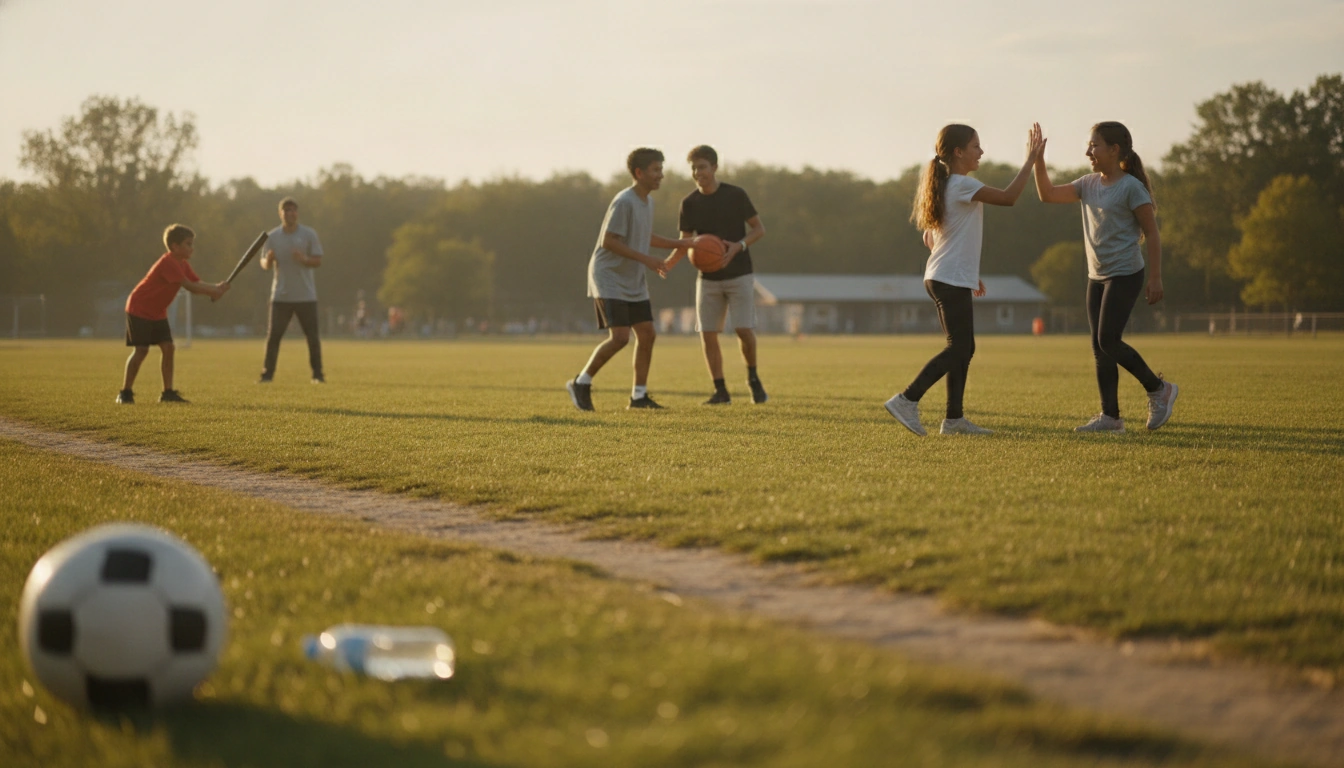
What are the best ways sports build confidence in kids and teens?
Confidence often grows in the moments that feel small: making a clean pass, showing up to practice on a tough day, or trying again after a missed shot. Sports are uniquely powerful for kids and teens because they turn effort into visible progress, and that progress becomes proof they can handle challenges.
1) Mastery through measurable improvement
Sports provide clear feedback—times drop, skills sharpen, stamina increases. When young athletes see their work pay off, they start to trust their ability to learn and improve, which is a core building block of lasting confidence.
2) Learning to handle mistakes without quitting
Games include pressure, errors, and setbacks by design. With supportive coaching, kids learn that mistakes are part of growth, not a verdict on who they are. Rebounding after a loss or a rough performance teaches resilience and self-belief.
3) Belonging and positive identity
Being part of a team (or a training group in individual sports) helps kids feel seen and valued. Roles like “defender,” “captain,” or “steady practice partner” can give teens a positive identity—especially important during years when self-image is still forming.
4) Real responsibility and earned trust
Sports create natural opportunities to take responsibility: arriving prepared, supporting teammates, managing emotions, and following through. When adults and peers rely on a kid—and the kid delivers—confidence becomes earned, not just encouraged.
5) Healthy challenge, healthy pride
Sports push kids slightly outside their comfort zone in a structured environment. That combination—challenge plus guidance—helps them develop pride that’s grounded in effort and character, not perfection.
For more practical ways to support confidence through athletics (including mindset and self-esteem tips), visit this complete guide on how sports build confidence and self-esteem.
FAQ
How can parents help a young athlete build confidence without adding pressure?
Praise effort, preparation, and sportsmanship more than outcomes. Ask simple questions (“Did you have fun?” “What did you learn?”) and keep post-game feedback short unless they invite coaching.
















Leave a comment
You must be logged in to post a comment.