Decluttering Schedule for Families With Young Kids
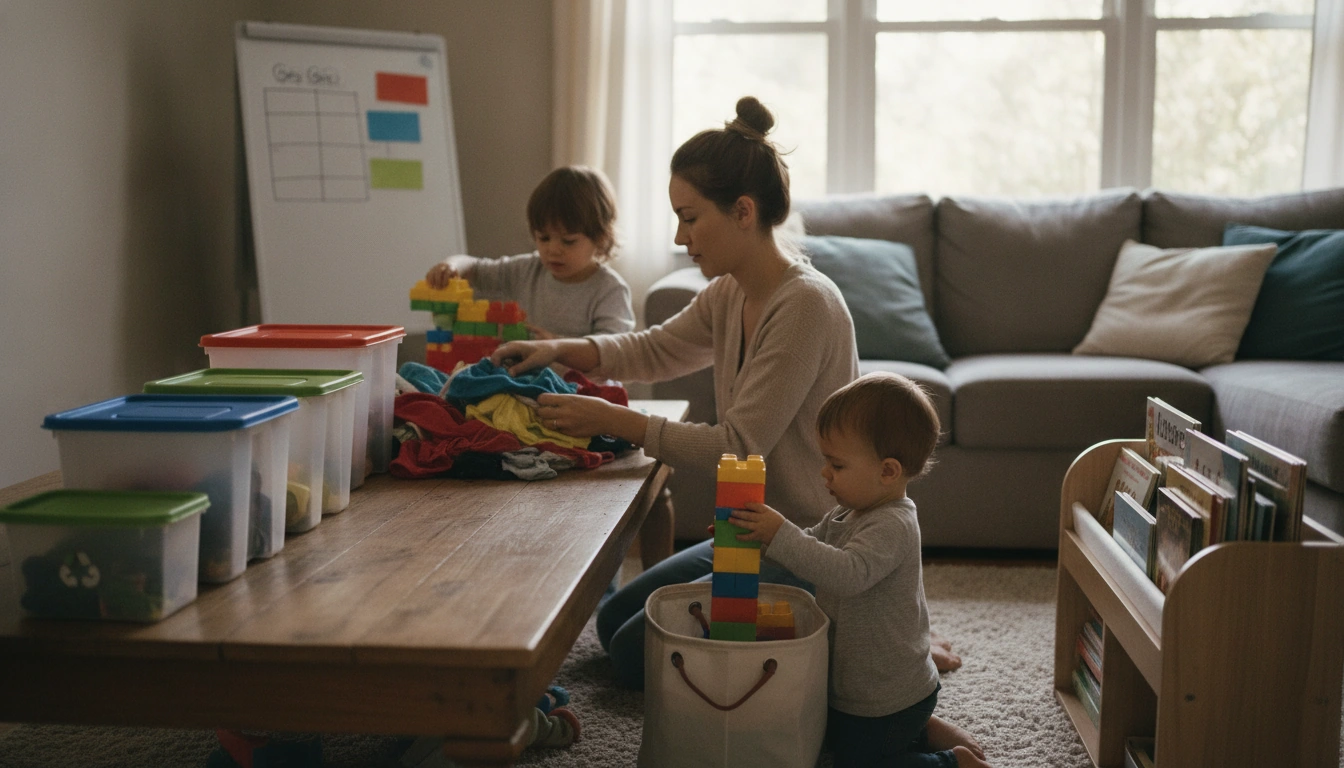
What is the best decluttering schedule for families with young kids (daily, weekly, or monthly)?
The best decluttering schedule for families with young kids is a hybrid: a quick daily reset, a simple weekly sweep, and a deeper monthly pass. Kids bring constant “stuff flow” (artwork, snack clutter, toys migrating room to room), so relying on only weekly or monthly sessions usually lets mess pile up and turns decluttering into a stressful marathon.
Daily: 5–10 minutes to prevent pileups
Daily is about containment, not perfection. Do a fast “close the day” reset: return toys to their home, clear one surface (kitchen counter or coffee table), and toss obvious trash. Make it easier by using labeled bins, a dedicated donation bag in a closet, and a small “relocate” basket for items that belong elsewhere.
Weekly: 20–40 minutes to restore order
Once a week, pick one zone that impacts family life the most—entryway, living room toy area, or kids’ bedrooms. Rotate zones so nothing gets ignored. This is the time to put away stray items, wipe down shelves, and do a quick “keep, donate, trash” check on toys and paper clutter.
Monthly: 60–120 minutes for the real wins
Monthly decluttering is where you reclaim space: outgrown clothes, broken toys, duplicate crafts, and forgotten storage bins. Tie it to a predictable anchor (first weekend of the month) and focus on one category at a time. Bag donations immediately and get them out of the house within 24 hours to avoid backsliding.
A kid-friendly rule that makes any schedule work
Set a “one-in, one-out” guideline for toys and books, and do quick decision-making at the point of entry (birthday gifts, party favors, school projects). For playful, low-drama ways to get kids participating, visit this decluttering games guide for kids.
FAQ
How can I get my child to help declutter without meltdowns?
Use short timed rounds (5–10 minutes), give two clear choices (“keep or donate”), and keep the goal tiny (one bin, one shelf). Praise effort and stop while it’s still going well so it feels doable next time.
















Leave a comment
You must be logged in to post a comment.