Best Age to Start Sports for Self-Esteem (Parents’ Guide)
What age is best to start sports if the goal is to build self-esteem?
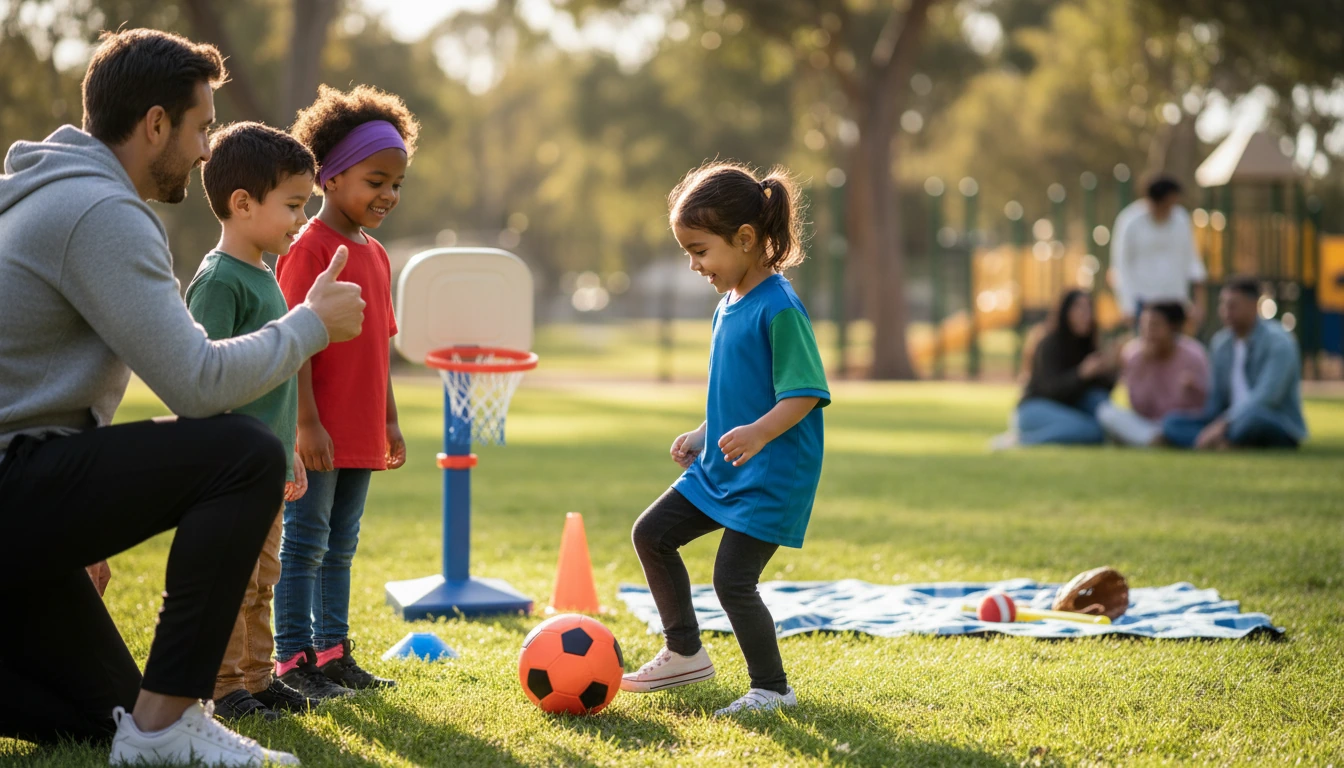
For building self-esteem, the best time to start most kids in sports is typically between ages 5 and 8, when they can follow simple rules, practice basic skills, and understand teamwork without the pressure of “performing” like an older athlete. At this age, confidence often grows fastest because progress is easy to see: learning to dribble, swim a lap, or make a clean pass can feel like a big personal win.
That said, there isn’t one perfect age for every child. Some preschoolers (around 3–4) thrive in low-structure “movement” programs—think tumbling, soccer basics, or dance—especially if the focus is play, trying new things, and praising effort. For other kids, waiting until 7–10 can be better if they need more emotional maturity to handle mistakes, coaching feedback, or group dynamics without feeling discouraged.
The biggest driver of self-esteem isn’t starting early—it’s starting in the right environment. Look for programs that:
- Emphasize skill-building and effort over winning
- Guarantee playing time or rotate positions
- Use supportive coaching and clear, kind corrections
- Encourage friendships and teamwork, not comparison
Also consider the child’s temperament. If they’re cautious, individual or small-group sports (swimming, martial arts, tennis) can build confidence through personal progress. If they’re social and energized by peers, a team sport (basketball, softball, soccer) can boost belonging and pride—two major pillars of self-esteem.
For more on how sports support confidence through goal-setting, resilience, and positive identity, visit this guide on how sports build confidence and self-esteem.
For Best Age to Start Sports for Self-Esteem (Parents’ Guide), the best answer depends on fit, material, care instructions, and how the product will be used day to day.
FAQ
How can parents support confidence without pressuring performance?
Praise effort, courage, and improvement (“You kept trying”), and keep post-game talk short and positive. Let the coach coach, and make home a safe place to process feelings and celebrate small wins.
















Leave a comment
You must be logged in to post a comment.