Sports and Self-Esteem: Support Confidence Without Pressure
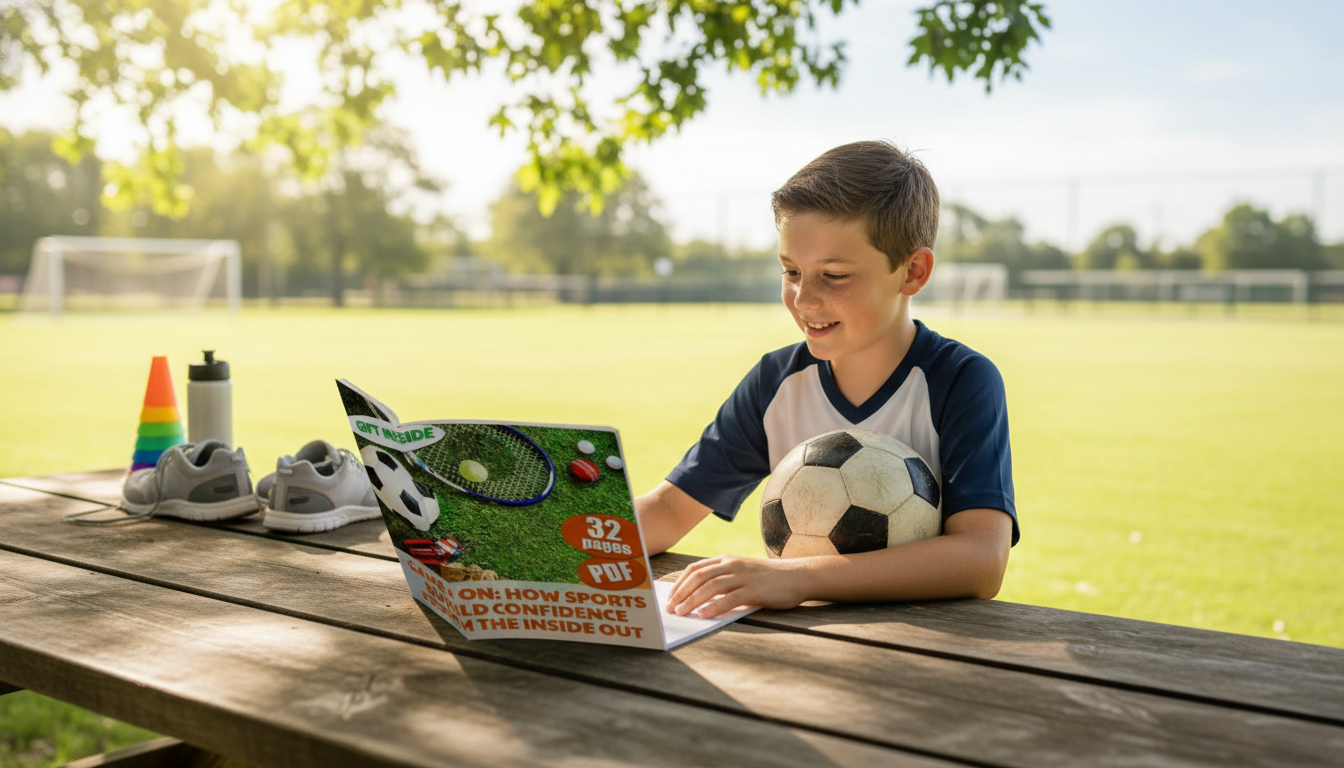
How can parents use sports to help a child develop healthy self-esteem without adding pressure?
Sports can be a powerful confidence-builder when the focus stays on growth, effort, and enjoyment—not on winning, stats, or adult expectations. The goal is to make athletics a safe place for your child to try, learn, and belong.
Pick the right environment (not just the right sport)
Look for programs that emphasize skill-building, teamwork, and positive coaching. A supportive coach who corrects respectfully and celebrates progress can do more for self-esteem than a “competitive” label ever will. If possible, let your child sample different sports until something feels like a good fit socially and emotionally.
Praise effort and choices, not outcomes
After games or practices, highlight what they controlled: showing up, trying a new skill, encouraging a teammate, or staying calm after a mistake. This teaches kids to connect confidence to actions they can repeat—rather than to a scoreboard that can swing wildly.
Keep your role simple: listener, helper, encourager
Many kids feel pressure when parents become second coaches. Ask open questions like, “What felt fun today?” or “What do you want to work on next time?” If they want feedback, keep it brief and specific—then let the coach handle the rest.
Normalize mistakes as part of becoming capable
Healthy self-esteem grows when kids learn they can make errors and still be valued. If your child is upset after a rough performance, validate the feeling, then guide them toward a small, practical next step (one drill, one habit, one goal for next practice).
Protect balance and autonomy
Build in rest days, keep family time steady, and avoid tying privileges to performance. Let your child have age-appropriate say in schedules, positions, and whether to continue next season. Choice reduces pressure and increases motivation.
For more ideas on how athletics can support confidence in a healthy way, read the full guide here: https://luxifyo.com/guide-how-sports-build-confidence-and-self-esteem/.
FAQ
How do you know if sports are stressing your child out?
Watch for persistent stomachaches, trouble sleeping, dread before practice, or sudden drops in mood. If stress lasts more than a couple of weeks, talk together and consider adjusting the schedule, coach, or level of competition.
















Leave a comment
You must be logged in to post a comment.