Chenille Bath Mats Wet: Why They Slip and Fixes
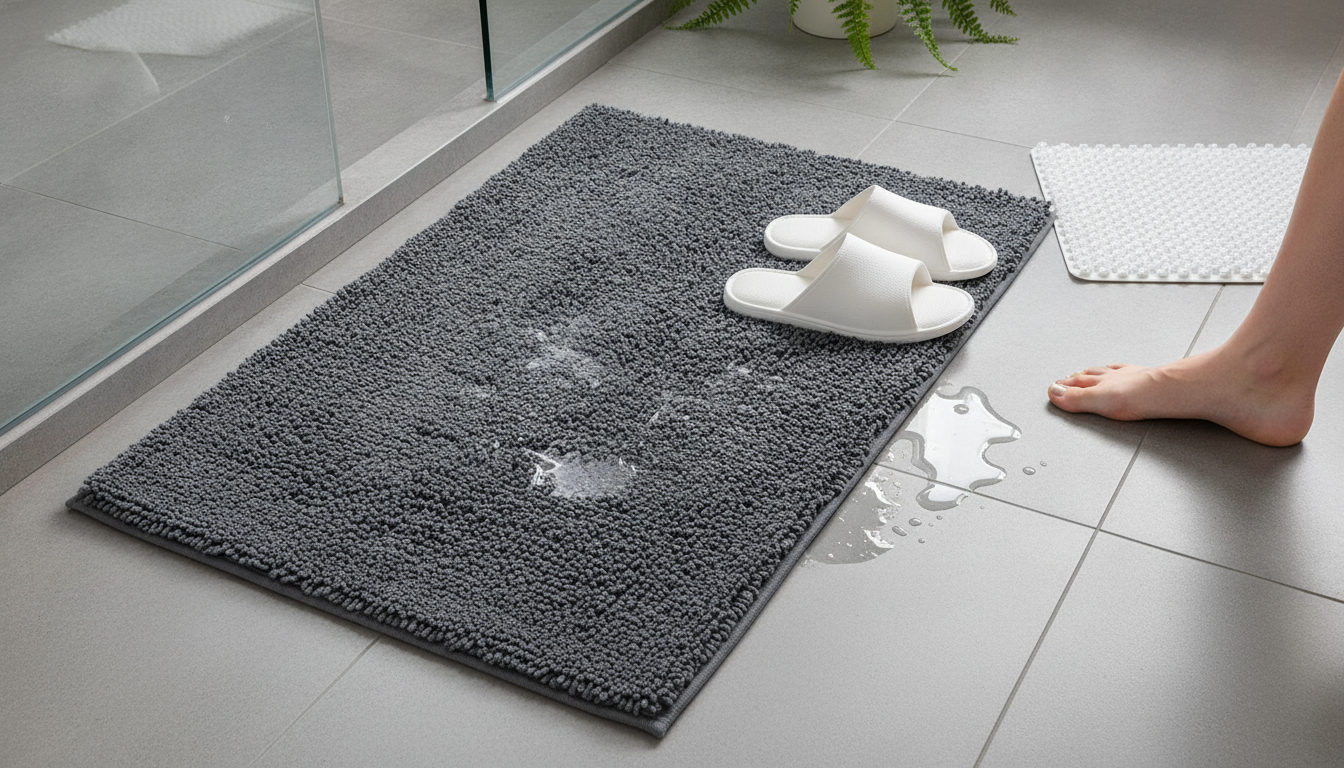
Do chenille bath mats get slippery when wet?
They can, but it depends less on the chenille fibers and more on what’s underneath. Chenille is absorbent and tends to feel plush underfoot, but a chenille bath mat can still slide if it doesn’t have a reliable non-slip backing, if the floor beneath it is very smooth, or if water pools under the mat instead of being absorbed.
What makes a chenille bath mat slip?
1) Backing type and condition
The biggest factor is the underside. Mats with a true non-slip backing (often textured TPR or rubber-like material) grip better than thin coatings. Over time, backing can stiffen, crack, or lose tackiness—especially if it’s exposed to high heat in the dryer—making the mat more likely to shift when stepped on.
2) Water under the mat
If water gets trapped between the mat and the floor, it can act like a lubricant. This is common on sealed tile, polished stone, and smooth vinyl. Even a “non-slip” mat can move if a film of water forms underneath, so quick absorption and good contact with the floor matter.
3) Floor surface and cleaning residue
Highly polished floors are naturally slick, and leftover cleaner or soap residue can reduce grip. Keeping the floor dry and free of residue helps the mat’s backing do its job.
How to reduce slipping with a chenille bath mat
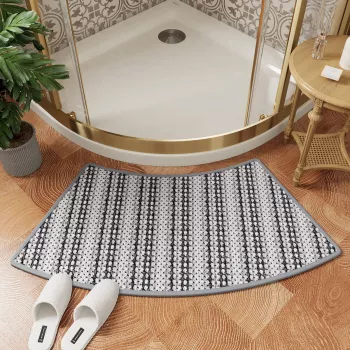
Choose a chenille mat designed for traction, place it on a clean, dry surface, and avoid letting water pool underneath. If you’re outfitting a curved or awkward area (like around a pedestal sink or a rounded shower entry), a better-fitting shape can also improve stability by keeping more of the backing in contact with the floor. For more details on fit and non-slip design—especially for curved spaces—see this guide to arc-shaped chenille non-slip bath mats.
FAQ
How do you keep a bath mat from sliding on tile?
Use a mat with a strong rubber/TPR non-slip backing, set it on a completely dry, residue-free floor, and hang it to dry between uses so water doesn’t collect underneath.














Leave a comment
You must be logged in to post a comment.