AI Scenic Drive Planner: Checklist, Stops & Hidden Gems
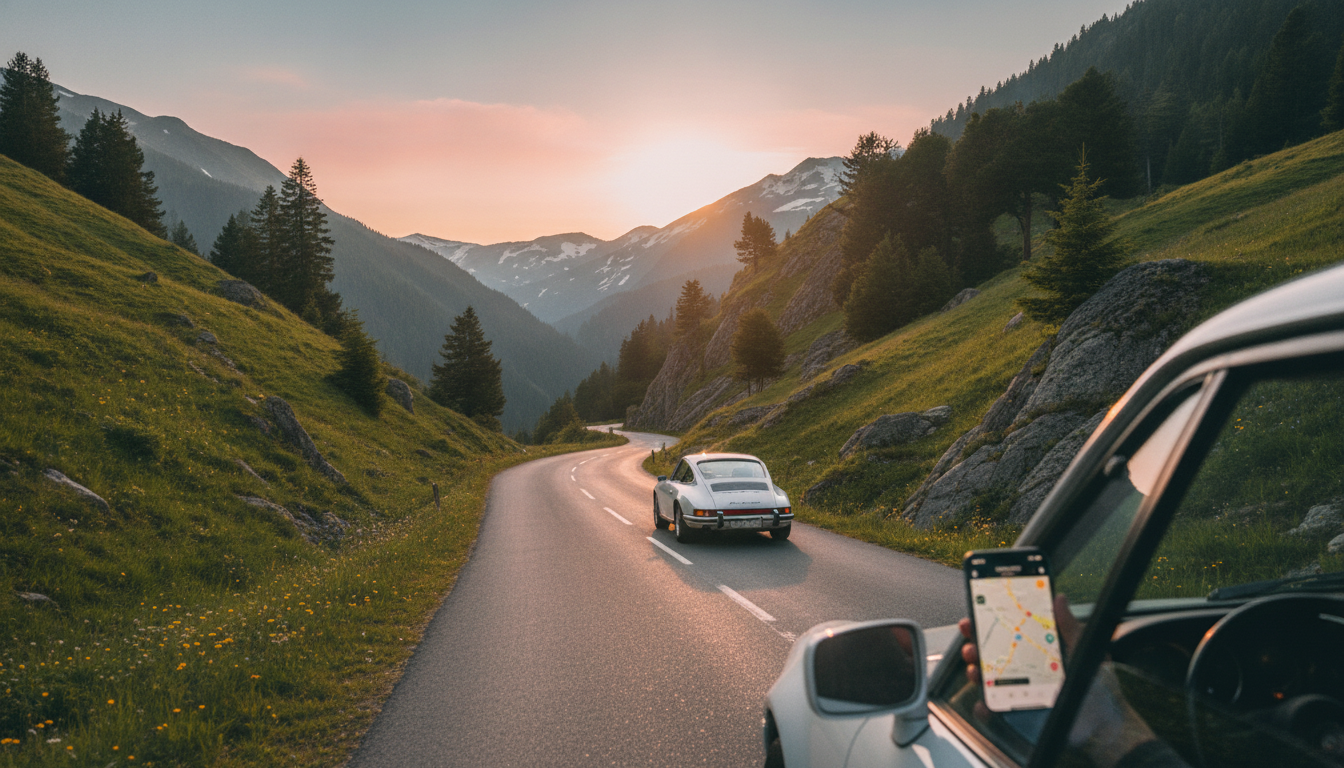
Create Your Dream Scenic Drive with AI: Checklist, Hidden Gems, and Smart Route Planning
A memorable scenic drive balances jaw-dropping views with smooth logistics: the right departure time, realistic stops, safe roads, and a few surprises that don’t derail the day. AI-assisted route planning can help map the most photogenic roads, time your breaks, and surface underrated viewpoints—while a solid checklist keeps the trip comfortable, safe, and flexible.
Start with the vibe: coast, mountains, desert, lakes, or backroads
Before you touch a map, decide what kind of “wow” you want. A good route feels cohesive, even if it includes a couple of playful detours.
- Pick a primary landscape and add a “secondary flavor” (example: coastal cliffs plus a lighthouse loop, or alpine views plus a hot-springs stop).
- Choose the trip shape: out-and-back for simplicity, point-to-point for variety, or a lollipop loop (one base town with a loop day).
- Set the pace: “slow sightseeing” (more stops, fewer miles) versus “long ribbon of road” (fewer stops, more distance).
- Choose 1–2 non-negotiables (sunset overlook, waterfall walk, historic main street) to anchor the day.
Turn AI into a co-pilot: inputs that improve scenic routing
AI route planning works best when you give it boundaries and clear preferences. Think of it as briefing a helpful local who also happens to be obsessed with timing and efficiency.
- Define constraints: start/end points, total hours, maximum driving block (example: 90 minutes), mobility needs, and whether you’re traveling with kids or pets.
- Add preferences: avoid highways, prefer twisty roads, prioritize water views, include short hikes, pet-friendly stops, or EV-charger access.
- Request “micro-stops” such as pull-offs, overlooks, bridges, quirky roadside attractions, and local bakeries.
- Ask for alternates: a clear-weather route plus a fog/rain route with safer roads and indoor stops.
- Generate a stop list with time windows: sunrise, golden hour, lunch, and a final viewpoint before heading back.
| What to specify | Examples to use | Why it helps |
|---|---|---|
| Time budget | 6 hours total; 2 hours of stops | Prevents overstuffed itineraries and missed daylight |
| Road comfort | Avoid unpaved roads; limit hairpins | Reduces stress and lowers risk on unfamiliar roads |
| Stop rhythm | Stop every 45–60 minutes | Improves comfort and keeps energy high |
| View priorities | Ocean cliffs; mountain passes; fall colors | Guides the route toward the scenery that matters most |
| Food style | Local diner; farm stand; vegetarian | Makes meal stops feel like part of the trip, not an interruption |
| Photography goals | Sunset overlook; astro-friendly pullout | Aligns route and timing with the best light |
The ultimate road trip checklist (smart, compact, and comfort-first)
A scenic route is only relaxing if the basics are handled. Pack for comfort, signal gaps, and small problems before they become big ones.
- Navigation: offline maps downloaded, charging cable, car mount, and a paper backup for remote areas.
- Safety: first-aid kit, flashlight/headlamp, reflective vest, emergency blanket, and basic tools (tire inflator and gauge).
- Car basics: full tank before remote segments, windshield washer fluid topped up, spare tire checked.
- Comfort: water, snacks, wet wipes, sunglasses, layers, and a small trash bag to keep the cabin tidy.
- Weather plan: rain jacket, hat, sunscreen, and traction/chain requirements checked when heading into mountains.
- Stop kit: picnic blanket, small cooler, and cash for farm stands or small-town spots with spotty card service.
Finding hidden gems without wasting hours
Hidden gems shouldn’t become hidden time sinks. The goal is to add delight without turning the day into a scavenger hunt.
Build a realistic day plan: timing, light, and breaks
Make the route safer: road types, weather, and signal gaps
- Check weather by elevation: mountain passes can differ dramatically from nearby towns; use the NOAA National Weather Service for forecasts.
- Confirm road status: closures, construction, and seasonal gates can appear with little notice—especially near parks and forests. The National Park Service — Plan Your Visit pages are helpful when your drive touches park roads.
- Plan for dead zones: download offline maps and save key addresses/screenshots for stops.
- Avoid risky timing: sunrise wildlife movement, dusk glare, and fatigue hours raise accident risk.
- Share a live ETA with a trusted contact for longer remote stretches, and review road-weather basics from the Federal Highway Administration — Road Weather Management resource.
Pack the stops: photos, food, and small-town etiquette
Use the AI road trip checklist + route planner workbook to pull it all together
Recommended downloads:
Create Your Dream Scenic Drive with AI – Ultimate Road Trip Checklist for Stunning Routes, Hidden Gems, and Smart Planning,
The Solo Shopper’s Guide to Smart Grocery Budgeting (handy for stocking a cooler and snack plan without overspending),
and Less Is Luxe: The Minimal Fashion Guide (useful for building a simple layers-and-shoes travel capsule).
FAQ
How does an AI route planner help with scenic drives?
It can prioritize scenic road types, suggest a comfortable stop rhythm, and surface overlooks or short walks that match your time window. It can also generate weather-based alternates while still respecting safety constraints like road conditions and maximum driving blocks.
What should be downloaded before driving through remote scenic areas?
Download offline maps for the full region, plus playlists or podcasts for long stretches without signal. Save key addresses, reservation details, emergency contacts, and screenshots of closures or permits so you’re not relying on reception when plans change.
How many stops make a scenic drive feel fun instead of rushed?
A practical rule of thumb for a day drive is 1 hero stop plus 3–6 quick stops, adjusted to daylight and total hours. If you’re driving curvy roads, fewer stops with longer buffers often feels calmer than squeezing in too many viewpoints.















Leave a comment
You must be logged in to post a comment.