Diamond-Frame Medieval Black Floor Lamp (E27 LED Ready)
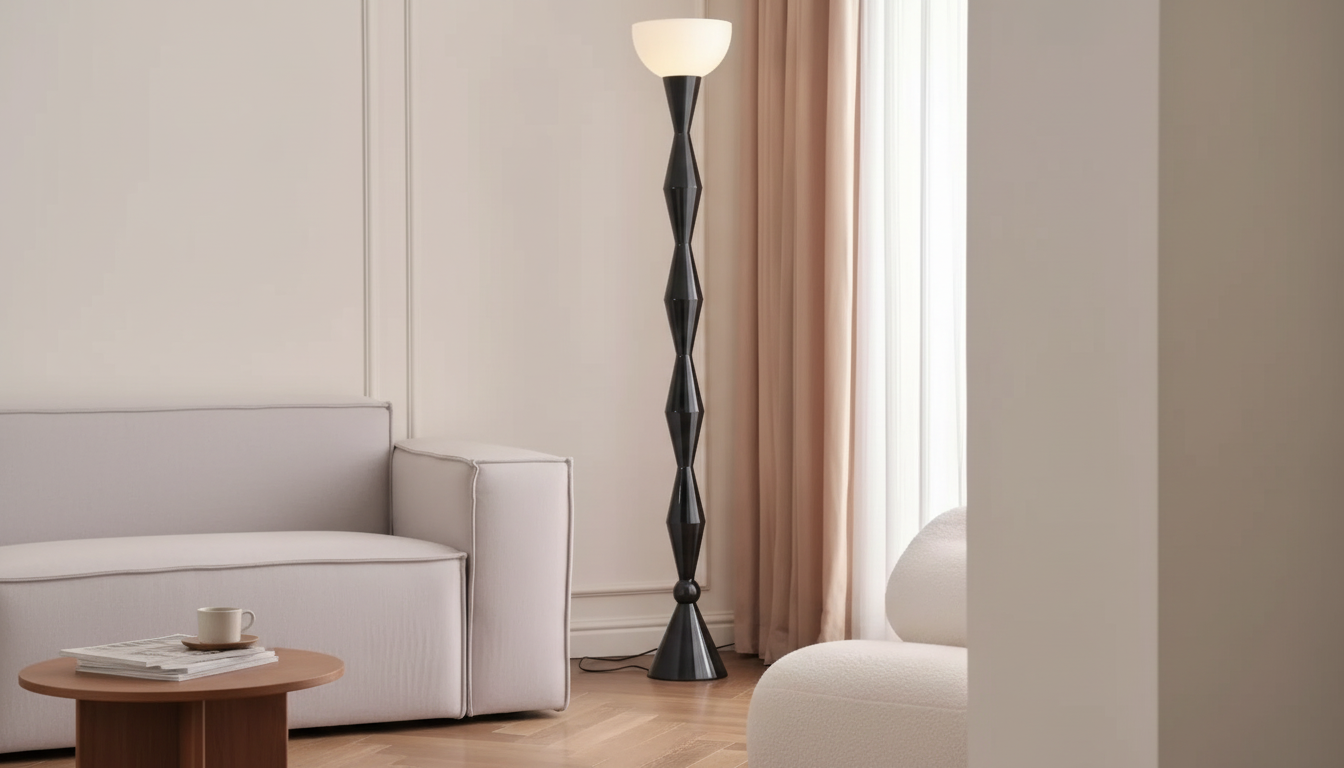
Medieval Diamond Shaped Black Floor Lamp: A Geometric Statement with Modern LED Ease
A sculptural floor lamp can do more than brighten a corner—it can set a mood. With a diamond-shaped medieval-inspired frame and a modern LED-compatible E27 socket, this standing light is designed to read as functional décor: geometric, dramatic, and easy to style in living rooms, bedrooms, studios, and entryways. The open-frame silhouette turns the bulb into part of the design, so the glow you choose becomes as important as the lamp itself. For more guidance, see renaissance.pdf.
What Makes the Diamond-Shaped Medieval Look Stand Out
The most striking feature is the geometric diamond silhouette, which holds its presence even when the lamp is off. Instead of blending into the background like a simple pole lamp, the angular frame becomes a focal point—especially effective in rooms that need a bit more visual structure or height. For further reading, see History of Stained Glass.
While “medieval-inspired” can sound thematic, the framing here stays refined rather than costume-like. That’s why it pairs naturally with gothic, industrial, rustic, and eclectic interiors. The black finish keeps the structure crisp against light walls, while looking intentionally moody in darker palettes.
Because it’s an open frame, the bulb is always on display. That’s a benefit if you enjoy curating details: a warm filament-style LED can make the lamp feel vintage and intimate, while a cleaner globe bulb can push the look more modern. The tall standing format also helps balance a room vertically—ideal near sofas, reading chairs, or those corners that feel unfinished.
Light Quality and Bulb Pairing (E27 + LED Options)
The E27 base is one of the most common bulb standards, which makes it easy to find replacements or upgrade to decorative LED bulbs. LEDs are especially practical for open-frame designs: they run cooler than many traditional bulbs, last longer, and offer a wide range of color temperatures. For general LED guidance and energy savings, the U.S. Department of Energy provides a helpful overview here: https://www.energy.gov/energysaver/lighting-choices-save-you-money.
For a medieval-leaning ambience, warm white (about 2700K–3000K) tends to flatter black metal and create a softer pool of light. Neutral white (around 3500K–4000K) can make the lamp feel more gallery-like, which works well in art rooms and studios where you want clarity without harshness. If the lamp is placed near eye level—beside a sofa or chair—glare matters more; an opal bulb can reduce that “bare bulb” intensity.
Quick bulb pairing guide for a diamond-frame floor lamp
| Goal | Recommended color temperature | Bulb style | Effect in the room |
|---|---|---|---|
| Cozy ambience | 2700K | Edison/filament LED | Warm glow with vintage character |
| Modern decorative | 3000K | Clear globe LED | Balanced warmth with crisp geometry |
| Art/workspace | 4000K | Opal LED | Reduced glare, cleaner visibility |
| Statement centerpiece | 2200K–2700K | Oversized decorative bulb | Dramatic highlight of the open frame |
For more comfortable, purposeful lighting at home (including reducing unwanted glare and spill), the International Dark-Sky Association’s lighting principles are a solid reference: https://darksky.org/resources/what-is-light-pollution/lighting-principles/.
Where This Standing Lamp Fits Best
In living room corners, a tall open-frame lamp anchors the seating area and adds height without any wall installation. It’s also a smart solution for apartments where drilling isn’t an option, yet the room still needs layered lighting beyond overhead fixtures.
In bedrooms, this style can replace bulky table lamps on small nightstands, especially in minimalist layouts. The diamond frame gives the room a designed look even during the day, and a warm bulb can keep the space restful at night.
Entryways and hallway nooks benefit from “lighting that doubles as décor.” A sculptural lamp offers a welcoming glow and a sense of intention—particularly helpful when there isn’t space for a console lamp. In a home office or studio, it adds character and a soft fill light for evening work sessions.
For reading chair placement, position the lamp slightly behind and to the side of the chair. This reduces direct glare while keeping pages evenly lit—especially important in open-frame designs where the bulb is visible from multiple angles.
Styling Ideas: Gothic, Industrial, Rustic, and Modern Contrast
For a gothic-inspired look, pair the lamp with deep-toned textiles—burgundy, forest green, charcoal—and add aged brass accents for warmth. The black frame feels intentional in a moody palette, especially when the bulb leans warm (around 2700K) for a candlelit effect.
In industrial spaces, the lamp fits naturally alongside raw wood, concrete textures, and other exposed-bulb elements. Because the silhouette is geometric and clean, it echoes the structural feel of industrial design without requiring a fully “loft” aesthetic.
Practical Setup and Everyday Use
Product Snapshot
- Model: Medieval Diamond Shaped Black Floor Lamp LED E27 Art Decorative Standing Light
- Design focus: diamond-shaped frame with medieval-inspired styling and a modern bulb base
- Bulb base: E27 for easy replacement and broad LED compatibility
- Use case: decorative standing light for ambient and accent lighting across many interior styles
More in-stock finds
- Less Is Luxe: The Minimal Fashion Guide – Ultimate eBook for Timeless, Effortless Style
- The Solo Shopper’s Guide to Smart Grocery Budgeting | Digital Download for How to Budget Groceries for 1 | Meal Planning Guide for One
FAQ
Did they have diamonds in medieval times?
Yes—diamonds were known and traded during the medieval period, often entering Europe through long-distance trade routes, though availability and cutting styles differed greatly from modern stones. In this lamp’s name, “diamond-shaped” refers to the geometric form of the frame, not the gemstone. For background on the gemstone’s history and properties, see Encyclopaedia Britannica: https://www.britannica.com/science/diamond-gemstone.








Leave a comment
You must be logged in to post a comment.