Eat Smart, Save Big: Meal Planning to Cut Grocery Costs
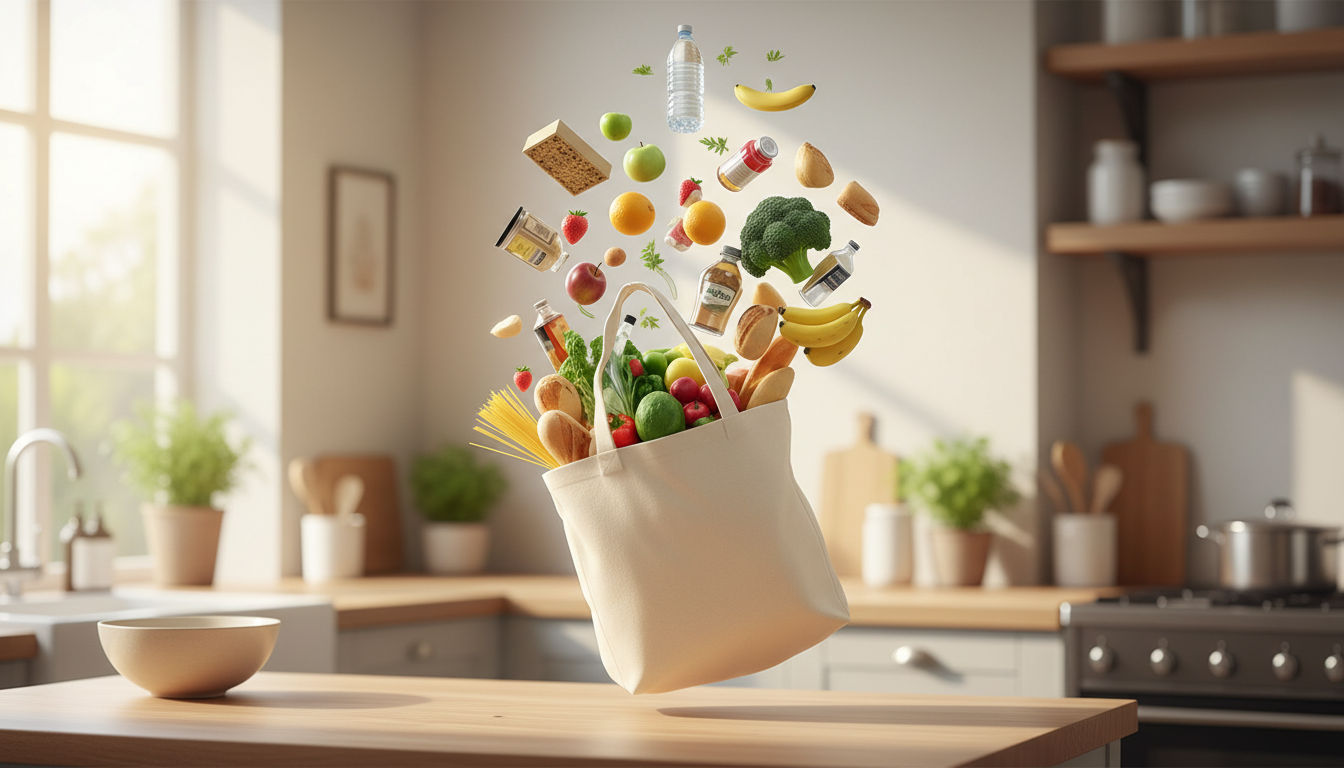
Eat Smart, Save Big: A Fun & Frugal Food Guide to Spending Less and Eating Better
Food costs can climb fast without a plan—especially with impulse buys, food waste, and last-minute takeout. The good news: saving money on food doesn’t require bland meals or complicated rules. With a few flexible routines, it’s possible to spend less, waste less, and still look forward to what’s on the table—even on busy weeks.
What Drives Food Costs Up (and What to Fix First)
Most grocery budgets don’t blow up because of one big purchase. It’s usually a handful of repeat “leaks” that add up over the month.
- Find the biggest leaks first: convenience foods, drinks, snack runs, and buying duplicates because pantry items get forgotten.
- Separate “price” from “cost”: a slightly pricier staple can be cheaper per serving if it lasts longer and reduces waste (think: oats, frozen vegetables, beans).
- Set one weekly food number: include groceries, coffee runs, and takeout so spending is visible in one place.
- Pick one habit to change for 7 days: for example, no midweek store trips—use what’s already home and save “just one thing” purchases.
If you want a structured but upbeat system to follow, Eat Smart, Save Big: Your Fun & Frugal Food Guide is designed around practical steps you can repeat each week without feeling restricted.
A Simple Weekly Meal Planning Routine That Doesn’t Feel Rigid
Meal planning works best when it’s short, forgiving, and built around real life—not a perfect schedule.
1) Do a 10-minute inventory
Quickly check the fridge, freezer, pantry, and leftovers. The goal isn’t a detailed list—it’s noticing what must be used soon (greens, open dairy, cooked proteins, half-used sauces).
2) Choose 2–3 “anchor meals”
Anchors are dinners you can count on (sheet-pan chicken, chili, pasta, stir-fry). Then mix-and-match sides (rice, salad kits, roasted veggies, bread) based on what’s already on hand.
3) Plan for a convenience night
Instead of “failing” midweek and ordering takeout, plan one intentionally easy night: leftovers, breakfast-for-dinner, or a pantry meal like tuna melts or bean quesadillas.
4) Use theme nights to reduce decision fatigue
Theme nights keep things fun and repetitive in a good way: taco night, pasta night, soup-and-sandwich night, or “clean-out-the-fridge” fried rice.
5) Keep a “use-first” list
Write 5–8 items that should be eaten soon. Put the list on a note app or the fridge. This single habit can cut food waste dramatically and makes meal choices easier when you’re tired.
Shop Smarter: How to Spend Less Without Feeling Deprived
Saving money at the store is less about willpower and more about removing the moments that trigger overspending.
- Shop with a list built from the plan: and avoid aisles that tend to spark impulse buys.
- Choose store brands for staples: and compare unit prices (price per ounce/pound) instead of sticker prices.
- Try a “one treat” rule: pick one fun item per trip—ice cream, chips, fancy cheese—and skip the rest.
- Batch produce choices: buy a few versatile fruits and vegetables that work across multiple meals (onions, carrots, apples, spinach, frozen mixed veg).
- Pick one protein strategy: eggs or beans once a week, chicken thighs instead of breasts, or canned fish for quick lunches.
Quick Grocery Swaps That Save Money
| Category | Common Pick | Lower-Cost Swap | Why It Works |
|---|---|---|---|
| Protein | Boneless skinless chicken breast | Chicken thighs or whole chicken | Often cheaper per pound and more forgiving to cook |
| Lunch | Pre-made deli salads | Batch tuna/bean salad | More servings with similar flavors and better portion control |
| Snacks | Single-serve packs | Family-size + portion at home | Lower price per ounce; reduces packaging premium |
| Produce | Out-of-season fresh berries | Frozen fruit | Less waste; consistent price and shelf life |
| Drinks | Bottled beverages | Water/tea + at-home flavor add-ins | Cuts recurring impulse spend |
For a reality check on what you’re spending and why prices shift, the BLS Consumer Price Index (Food at Home) is a helpful benchmark.
Cut Food Waste with a “Use-It-Up” System
Waste is one of the most frustrating budget drains—because you pay twice: once at the store and again when you replace what didn’t get eaten.
For storage timelines and food-safety guidance, use the USDA FoodKeeper App to reduce the guesswork.
Budget-Friendly Meals That Still Feel Like a Treat
If you like knowing what’s actually in the foods you buy (and comparing options), USDA FoodData Central is a reliable database for nutrition details.
Stay on Track: A Flexible Grocery Budget That Adjusts Week to Week
Make It Easy: A Digital Guide for Meal Planning and Saving on Food
- Eat Smart, Save Big: Your Fun & Frugal Food Guide keeps budgeting practical and upbeat, with clear steps for planning, shopping, and using leftovers.
- The Solo Shopper’s Guide to Smart Grocery Budgeting pairs especially well for households shopping for one, where packaging sizes, waste, and motivation can be different.
FAQ
What’s the fastest way to save money on food without changing everything?
Cut one high-frequency expense first (drinks, snacks, or takeout), commit to one planned grocery trip per week, and keep a “use-first” list so perishable food gets eaten before it’s replaced.
How many meals should be planned each week?
Plan 3–5 dinners based on your schedule, include one leftover night, and keep 1–2 pantry/freezer backup meals for hectic days so you’re not forced into last-minute spending.
How can meal planning work for picky eaters or mixed preferences?
Use build-your-own meals (tacos, bowls, pasta bars), keep a few reliable sides, and rotate two “safe” proteins while changing sauces and seasonings to create variety without stress.
















Leave a comment
You must be logged in to post a comment.