Essential Oil Safety Checklist: Dilution, Diffusion & Storage
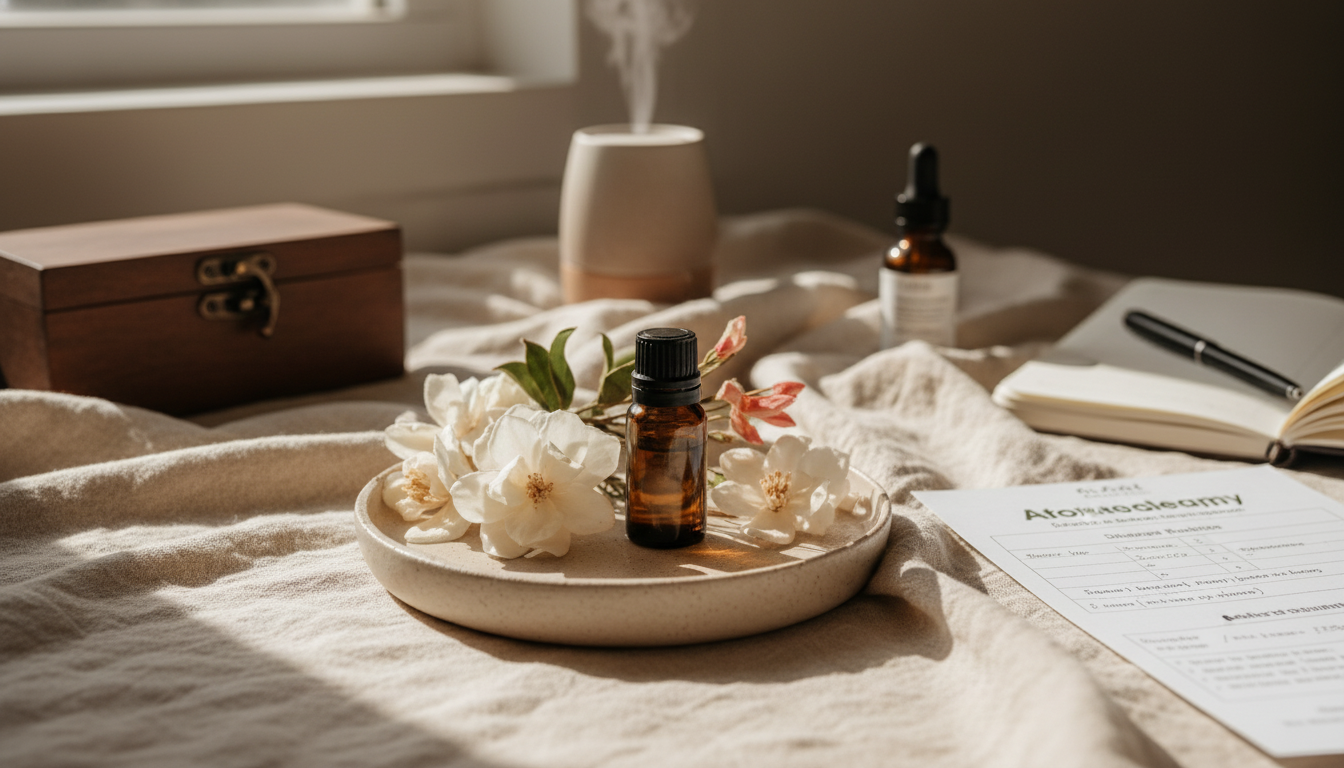
Aromatherapy Safety Cheat Sheet: A Practical Essential Oil Guide for Home and Professional Use
Essential oils can be enjoyable and supportive in a wellness routine, but they are also concentrated plant chemicals that require careful handling. A simple, printable checklist helps reduce common mistakes—especially around dilution, diffusion, storage, and higher-risk situations like pregnancy, young children, pets, and certain health conditions. If you want a quick, repeatable workflow, start with an Aromatherapy Safety Cheat Sheet printable download to keep near your oils or in a client file.
What a Safety Cheat Sheet Covers (and Why It Matters)
A good safety cheat sheet functions like a pre-flight checklist: it keeps the basics consistent, even when you’re tired, rushed, or working with someone new.
- A quick-reference workflow for safer use: choose oil → check contraindications → dilute correctly → select method (topical, diffusion, bath) → monitor response.
- Prevents frequent issues: skin irritation, sensitization (developing a new allergy over time), accidental ingestion, eye exposure, and over-diffusion in closed spaces.
- Useful for beginners and pros: beginners learn fundamentals faster; professionals maintain consistent, client-facing protocols.
For additional safety standards and updates, review guidance from NAHA and the Tisserand Institute.
Core Rules for Essential Oil Safety
- Dilute before applying to skin: undiluted use increases the risk of irritation and sensitization.
- Patch test new oils and blends: especially with sensitive skin or a history of allergies.
- Avoid contact with eyes, inner ears, mucous membranes, and broken or inflamed skin.
- Do not ingest essential oils unless under guidance from a qualified clinician trained in essential oil internal use.
- Use time limits for diffusion and ensure fresh air: more is not better.
- Store securely: keep oils away from children; use child-resistant caps when possible and store out of reach.
For consumer basics and considerations, the U.S. FDA overview of essential oils is a helpful reference point.
Dilution and Application Basics (Quick Reference Table)
Carrier oils (like fractionated coconut, jojoba, or sweet almond) reduce intensity and help essential oils spread more evenly. Lower dilutions are typically preferred for daily use, sensitive skin, and larger body areas.
| Dilution | Approx. drops per 1 oz (30 mL) carrier | Typical use case |
|---|---|---|
| 0.5% | 3 drops | Extra-sensitive skin, older adults, frequent application |
| 1% | 6 drops | General daily use, larger areas (arms/legs/back) |
| 2% | 12 drops | Short-term targeted use for localized areas |
| 3%+ | 18+ drops | Professional-guided, brief use only; higher irritation/sensitization risk |
If irritation occurs, stop use, wash with mild soap, and apply a plain carrier oil to the surrounding skin (not broken skin). Seek medical advice if symptoms persist, worsen, or feel severe.
Diffusion Do’s and Don’ts for Shared Spaces
- Start low and short: diffuse in intervals (for example, 10–20 minutes), then take a break and reassess comfort.
- Ventilation matters: avoid continuous diffusion in small rooms; open a door or window when possible.
- Use extra caution for sensitive people: infants, very young children, people with asthma or fragrance sensitivity, and during migraine flares unless previously tolerated.
- Use fewer drops than marketing suggests: room size and airflow change intensity dramatically.
For a calmer bedtime approach that emphasizes routine (not just aroma), pair safe diffusion habits with a Sleep-boosting checklist for a calmer nighttime routine.
Higher-Risk Situations: Pregnancy, Kids, Pets, and Health Conditions
- Pregnancy and breastfeeding: keep dilutions conservative, avoid experimenting with unfamiliar oils, and check with a qualified clinician if there are complications or high-risk factors.
- Children: use child-specific guidance, choose lower dilutions, and avoid adult “strong” blends. Keep bottles and rollers locked away.
- Pets: cats and birds are especially sensitive; avoid diffusing in confined areas and never apply oils to pets without veterinary guidance.
- Medical conditions and medications: some oils can be irritating or stimulating, and some may be inappropriate alongside certain therapies. When in doubt, use less (or none) and ask a clinician.
Phototoxicity, Sensitization, and Other Common Pitfalls
- Phototoxicity: some oils—often expressed citrus oils—can increase sun sensitivity on treated skin. Avoid UV exposure on those areas for the recommended window, or choose non-phototoxic alternatives.
- Sensitization: risk rises with frequent use, higher concentrations, and repeating the same oil day after day. Keep concentrations modest and rotate blends.
- Oxidation: older or poorly stored oils are more likely to irritate. Label bottles with the date opened and discard if the aroma shifts noticeably, thickens, or seems “off.”
- “Natural” isn’t automatically gentle: treat essential oils like concentrated substances with clear handling rules.
Storage, Labeling, and Emergency Steps
- Store correctly: dark glass bottles, tightly capped, away from heat/sunlight; keep out of reach of children and pets.
- Label blends: ingredients, dilution %, date created, and any known sensitivities.
- If eye exposure occurs: rinse with copious water and seek medical attention; avoid putting carrier oil directly into the eye.
- If ingestion is suspected: contact Poison Control immediately and follow medical guidance; do not induce vomiting unless instructed.
- For skin reactions: discontinue, cleanse gently, and use a bland moisturizer; seek urgent care for swelling, hives, breathing issues, or worsening symptoms.
Printable Checklist for Consistent, Safer Use
Use this as a quick “pause point” before each session—especially if you’re blending, working with a new oil, or diffusing around others.
If you prefer a ready-to-print format for home binders or client folders, the Aromatherapy Safety Cheat Sheet printable download keeps the core steps in one place.
FAQ
Can essential oils help osteoporosis?
Essential oils are not a treatment for osteoporosis. Some people use aromatherapy to support relaxation, sleep, or stress management, but bone health requires medical evaluation, adequate nutrition, weight-bearing exercise, and clinician-guided therapy—avoid relying on unproven claims.
Can essential oils help with tinnitus?
There isn’t strong evidence that essential oils treat tinnitus, though some people find them calming for stress or sleep. Avoid putting oils in or near the ear canal, and get medical assessment for persistent, sudden, or one-sided tinnitus.
















Leave a comment
You must be logged in to post a comment.