Reflective Escape-Resistant Dog Harness Vest for Walks
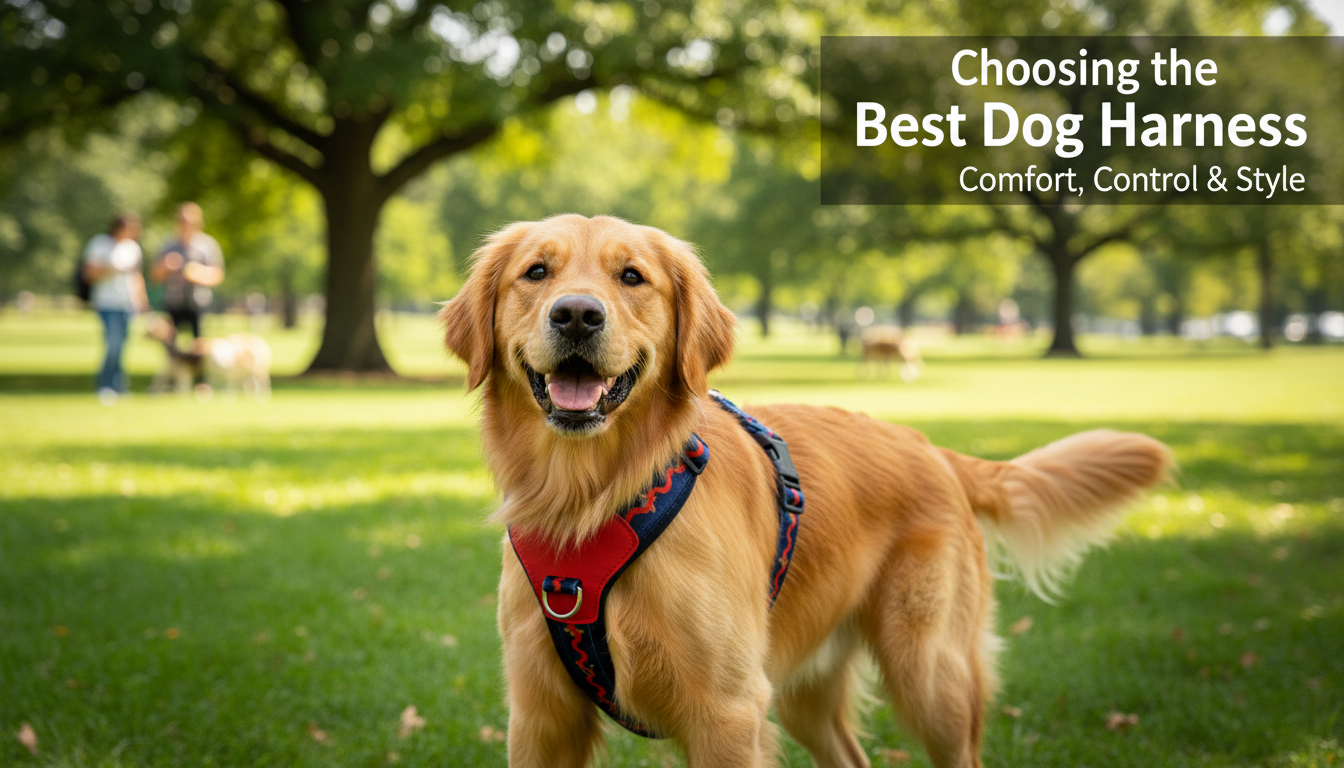
Reflective Escape-Proof Dog Harness Vest for Safe Everyday Walks
A secure harness can make daily walks calmer, safer, and more comfortable—especially for dogs that back out of gear, pull when excited, or disappear in low light. A reflective, escape-resistant vest-style harness is designed to help reduce slip-outs while spreading pressure across the chest and torso for more controlled, everyday walking.
For general walking safety habits and handling tips that pair well with better gear, see guidance from the ASPCA and the Humane Society. For harness selection basics, the American Kennel Club is also a helpful starting point.
What Makes a Harness “Escape-Proof”
No harness can guarantee that every dog will never slip out, but certain design choices can significantly reduce the chances—especially when the fit is dialed in.
- Multiple adjustment points help match the harness to the dog’s chest and ribcage so there’s less room to wriggle backward.
- Vest-style body panels increase contact area, which can improve stability compared with thin strap-only designs.
- Secure closures and well-positioned straps matter as much as materials—escape attempts often happen during backing up, twisting, or sudden stops.
- Correct sizing and strap tension are key: snug enough to resist backing out, but not tight enough to restrict breathing or shoulder movement.
As a practical rule, “escape-resistant” works best as a system: right size + consistent adjustment + calm handling when your dog startles. If your dog tends to panic, consider pairing your harness with a second point of control (like a backup connector to a collar) until you’re confident in the fit and routine.
Reflective Visibility for Early-Morning and Evening Walks
Low-light walks can feel routine—until a driver or cyclist doesn’t see your dog soon enough. Reflective details help your dog “pop” under headlights and street lighting, making it easier for others to notice movement at the edge of the road or sidewalk.
- Reflective elements can help drivers, cyclists, and pedestrians notice your dog sooner when lighting is limited.
- Visibility improves with good habits: keep the leash short near streets, cross at well-lit intersections, and avoid stepping into the road from between parked cars.
- For maximum nighttime safety, combine reflective gear with a clip-on safety light—especially helpful for dark-coated dogs.
Reflective gear works best when it’s visible from multiple angles. On neighborhood routes with frequent turns, having reflective areas on the side and rear can be more useful than a small reflective patch on the back alone.
Comfort and Control for Everyday Use
A harness should do more than “stay on.” It should also help your dog walk comfortably and help you maintain steadier control when distractions happen.
- Vest-like construction can distribute pressure more evenly across the torso, which may feel more comfortable than pressure concentrated at the neck.
- Better stability supports better handling when your dog reacts to squirrels, doorways, or greetings with other dogs.
- Pulling improves with routine: pairing a consistent walking plan (stop/turn/redirect) with a secure harness often improves leash manners faster than switching gear alone.
Comfort is also about movement. A good everyday harness should allow your dog’s shoulders to extend naturally and avoid rubbing behind the elbows. If your dog comes home with red marks or the harness shifts dramatically from side to side, the next step is usually a fit adjustment (or a size/shape change), not “toughing it out.”
Fit Checklist: Getting the Snug-But-Comfortable Balance
Quick Fit & Safety Checks
| Checkpoint | What to Look For | Fix If Needed |
|---|---|---|
| Chest fit | Harness sits snug behind front legs; minimal sliding | Tighten chest straps evenly; re-center panel |
| Neck/upper chest | No choking; stable placement without gapping | Adjust upper straps; ensure correct size |
| Elbow clearance | No rubbing at armpits during walking | Loosen or reposition; choose a better size/shape |
| Back-out resistance | Doesn’t lift over shoulders when dog backs up | Tighten, re-check measurements, consider sizing up/down appropriately |
| Reflective visibility | Reflective areas visible from side/rear angles | Add clip-on light or reflective leash if needed |
Who This Harness Vest Suits Best
Care, Maintenance, and Daily Safety Habits
Product Option: Reflective Escape-Proof Dog Harness Vest
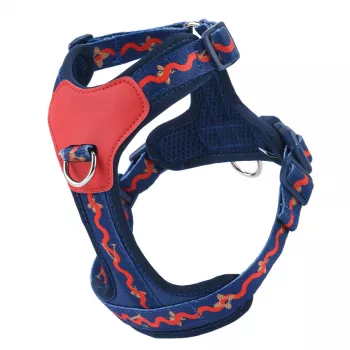
If you want a straightforward everyday option focused on security, comfort, and visibility, consider the Reflective Escape-Proof Dog Harness Vest for Safe Everyday Walks. It’s designed to help reduce slip-outs with a secure, adjustable vest-style fit and reflective detailing for low-light conditions. It’s currently in stock at $24.67 (USD).
More In-Stock Finds
- The Solo Shopper’s Guide to Smart Grocery Budgeting | Digital Download
- The Insider’s Guide to Adidas Limited Releases: Master the adidas Limited Release Logic for Sneaker Success
- Less Is Luxe: The Minimal Fashion Guide – Ultimate eBook for Timeless, Effortless Style
FAQ
Can an escape-resistant harness fully prevent a dog from slipping out?
No gear is 100% escape-proof for every dog. Slip-out prevention depends on correct sizing, careful strap adjustment, your dog’s body shape, and calm handling—so it’s smart to do fit checks and build confidence with gradual training walks.
How tight should a harness vest be for safe walks?
Use the two-finger rule: snug enough that it won’t shift or gap, but loose enough to fit two fingers under the straps without digging in. After a short walk, re-check elbow and shoulder movement and adjust if you notice rubbing or sliding.
Is reflective gear enough for nighttime walking safety?
Reflective details improve visibility, but they work best with smart route choices and situational awareness. For darker areas or dark-coated dogs, adding a small clip-on light can make detection easier at a distance.














Leave a comment
You must be logged in to post a comment.