Toddler Snack Checklist: Quick Healthy Mix-and-Match Ideas
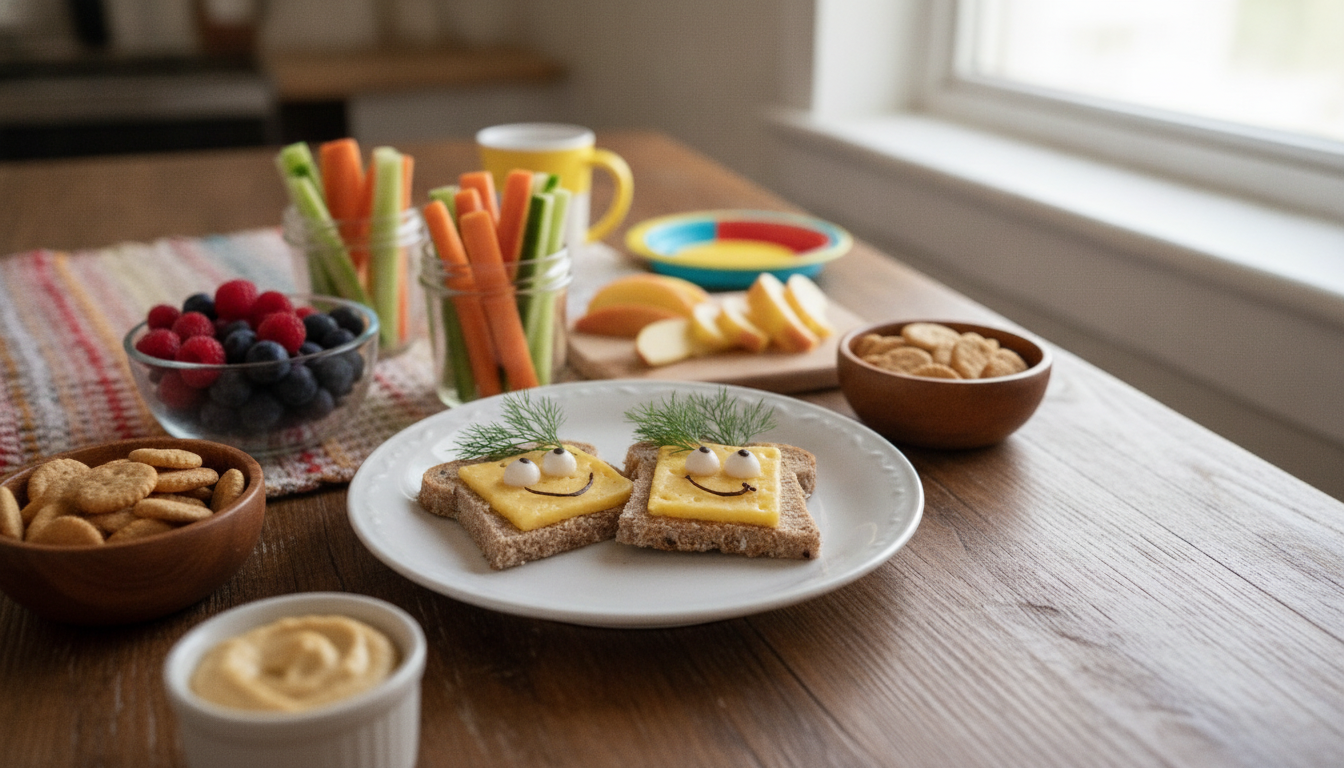
Tiny Bites Toddler Snack Checklist: Easy, Healthy, Fun Snack Planning
Snack time can feel like a constant cycle of “What can they eat next?” A simple checklist and a repeatable planning routine help keep snacks balanced, toddler-friendly, and low-stress—without relying on the same few options every day. The goal is to make snack decisions faster while still offering variety, nutrition, and textures your toddler can handle.
What makes a good toddler snack
A “good” toddler snack is less about perfect nutrition math and more about steady habits, safe textures, and simple building blocks that keep kids satisfied between meals.
- Aim for a steady rhythm: planned snacks can bridge meals and reduce all-day grazing.
- Build a snack with 2 parts: a “fuel” (carb/produce) + a “filler” (protein/healthy fat) for longer-lasting fullness.
- Keep portions toddler-sized: start small and offer more if they’re still hungry.
- Watch added sugar and sodium: especially in packaged options like crackers, bars, and pouches.
- Choose manageable textures: soft, mashable, thinly sliced, or bite-sized as appropriate for your child.
The Tiny Bites checklist method (mix-and-match building blocks)
Use a simple “choose 1 + choose 1” approach: pick one item from the fuel group and one from the filler group. Add a fun twist when you have time.
Produce (fuel)
- Soft fruit slices (banana, ripe pear, peach)
- Berries (halve lengthwise when needed)
- Steamed veggie sticks (carrots, zucchini)
- Cucumber matchsticks
- Avocado cubes
Protein (filler)
- Plain or lightly sweetened yogurt
- Cottage cheese
- Hummus
- Thinly spread nut/seed butter (if appropriate)
- Egg strips or scrambled egg pieces
- Shredded chicken
Whole grains & starches (fuel)
- Whole-grain toast fingers
- Mini pita wedges
- Oatmeal bites or leftover oatmeal “slices”
- Crackers with simpler ingredients
- Rice cakes broken into manageable pieces
Healthy fats (filler)
- Avocado
- Olive oil drizzle on veggies
- Chia/flax mixed into yogurt (age-appropriate)
- Nut/seed butter spreads (if appropriate)
“Fun factor” add-ons
- Mini skewers with soft items (use toddler-safe picks and supervise)
- Bento-style compartments to separate textures
- Cookie cutters for sandwiches
- Color themes (all red/orange/green)
Easy snack ideas (fast combos that work on repeat)
These are quick to assemble once you’ve stocked the basics. Swap one ingredient at a time to keep familiar favorites feeling “new.”
- Apple or pear slices + thin spread of peanut/seed butter (or yogurt dip)
- Greek yogurt + mashed berries + sprinkle of oats or chia (age-appropriate)
- Mini pita + hummus + soft cucumber matchsticks
- Banana coins + cottage cheese + cinnamon
- Whole-grain toast fingers + avocado + scrambled egg pieces
- Cheese cubes + grapes cut lengthwise + whole-grain crackers
- Steamed carrot sticks + tzatziki or yogurt-based dip
- Oatmeal “snack cup” (chilled leftover oatmeal, sliced) + fruit
Safety and prep essentials for snack time
Snack safety matters just as much as snack variety. Always match food size and texture to your toddler’s development and keep mealtimes supervised.
- Modify common choking-risk foods: cut grapes and cherry tomatoes lengthwise; shred or thinly slice firm foods; soften raw vegetables; avoid hard, round, or sticky foods unless prepared safely.
- Supervise and seat: keep toddlers seated while eating; walking or playing with food increases risk.
- Texture test: if a food can’t be easily squished between fingers, consider cooking or slicing thinner/smaller.
- Allergy awareness: introduce common allergens thoughtfully and follow pediatric guidance, especially with a family history of allergies.
- Food safety: keep perishables cold with an insulated bag and ice pack, and follow safe storage times.
For additional guidance, see the American Academy of Pediatrics choking prevention page, plus toddler nutrition basics from the CDC and USDA MyPlate.
A simple 10-minute weekly snack plan
A little planning once a week can make daily snack decisions almost automatic.
- Pick 2 fruits + 2 veggies: wash and portion what you can.
- Pick 2 proteins + 2 grains/starches: choose what your toddler already accepts plus one “stretch” item.
- Create 6–8 repeatable combos: pair one item from each group.
- Batch prep once: steam a veggie, hard-boil eggs, portion yogurt, and prep only limited fruit ahead to avoid browning.
- Keep a backup list: for hectic days (banana, yogurt, simple crackers + cheese).
Sample 5-Day Toddler Snack Planner (Mix-and-Match)
| Day | Snack 1 | Snack 2 | Prep note |
|---|---|---|---|
| Monday | Yogurt + mashed berries | Pita + hummus + cucumber sticks | Wash berries; portion hummus |
| Tuesday | Banana + cottage cheese | Avocado toast fingers | Toast on demand; pre-scoop cottage cheese |
| Wednesday | Cheese cubes + grapes (cut lengthwise) | Steamed carrots + yogurt dip | Steam carrots in batch |
| Thursday | Oatmeal cup + fruit | Egg strips + soft fruit | Hard-boil eggs ahead |
| Friday | Crackers + hummus + tomatoes (quartered/lengthwise) | Smoothie (milk/yogurt + fruit) | Freeze fruit for quick blends |
Printable checklist: what to keep stocked
Keeping a short, repeatable stock list makes it easier to build snacks without overbuying.
When snacks get tricky (picky phases, growth spurts, and routines)
Snack-planning downloads to make it even easier
- Tiny Bites – Toddler Snack Checklist | Snack Ideas for Toddlers | Easy, Healthy & Fun Snack Planning Guide
- The Solo Shopper’s Guide to Smart Grocery Budgeting | Digital Download for How to Budget Groceries for 1 | Meal Planning Guide for One
FAQ
How many snacks should a toddler have each day?
Many toddlers do well with 1–3 planned snacks daily, depending on age, meal timing, and appetite. A predictable routine helps them come to meals hungry enough without needing to graze all day. For personalized guidance, check in with your pediatrician.
What are good healthy snacks for toddlers that take less than 5 minutes?
Try yogurt + fruit, hummus + pita, cheese + fruit (with grapes cut safely), or avocado toast fingers. Pre-portioning items like hummus, yogurt, and washed produce can make “assembly” take less than a minute.
Which foods are common choking hazards and how can they be made safer?
Whole grapes and cherry tomatoes should be cut lengthwise; raw carrots are often safer steamed until soft; and nuts and popcorn are best avoided for young toddlers. Always supervise eating and keep toddlers seated, and follow guidance like the American Academy of Pediatrics choking-prevention recommendations.













Leave a comment
You must be logged in to post a comment.