AI Body Scanner Accuracy: What to Expect (and Tips)
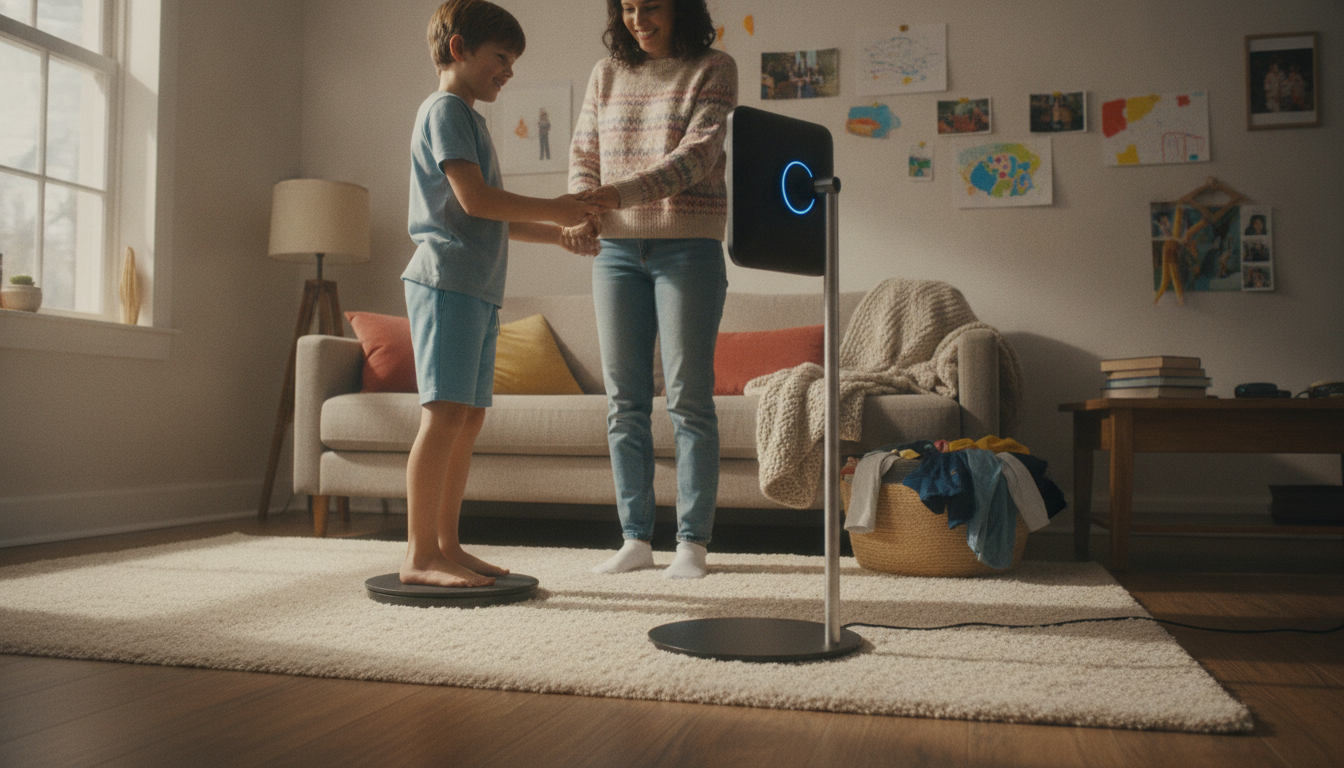
How accurate are AI body scanners?
AI body scanners can be very accurate for everyday sizing decisions, but accuracy depends on the method (camera-based vs. depth sensors), the setup (lighting, distance, posture), and how the results are used (size recommendation vs. medical-grade measurements). For many shoppers, the practical outcome is a solid fit suggestion rather than a perfectly precise tape-measure replacement.
What “accuracy” usually means with AI body scanning
Most consumer-facing scanners focus on estimating body measurements and matching them to a brand’s size chart. That means “accurate” often refers to whether the recommended size fits comfortably, not whether every circumference measurement is exact to the millimeter. Some systems perform better at proportions and relative sizing than at pinpointing a single measurement like inseam.
Common factors that affect scan accuracy
Small changes in posture—arched back, bent knees, shoulders rolled forward—can shift results. Clothing also matters: bulky fabrics, dark/reflective materials, and loose garments can blur body outlines. Environmental issues like backlighting, cluttered backgrounds, or incorrect phone placement can reduce precision. Finally, body shape diversity and the scanner’s training data influence how well the model interprets different silhouettes.
How to get the most reliable results
For a more consistent scan, stand on a flat surface, keep feet shoulder-width apart, and use form-fitting clothing (or follow the app’s guidance). Ensure even lighting, place the camera at the recommended distance, and repeat the scan if the app flags low confidence. Treat the output as a strong starting point, then cross-check with a brand’s fit notes when available.
When AI body scanners shine—and when to be cautious
AI scanners are especially helpful for online shopping, where returning items is a hassle. They can also support quick check-ins for changes over time. Caution is warranted if the tool claims clinical precision or if the product’s fit is extremely sensitive (tailored suiting or performance gear), where a professional fitting or manual measurements may still be best.
For a practical walkthrough of AI body scanning and quick routines that support calm, steady energy, visit this guide on Luxifyo.
FAQ
Do AI body scanners work with just a phone camera?
Yes—many tools use only a phone camera and computer vision, though results can vary more than systems that also use depth sensors. Following the app’s setup instructions closely is the biggest factor in getting consistent measurements.















Leave a comment
You must be logged in to post a comment.